


Key Differences Between Model Portfolios?

When we explore model portfolios, we find key differences rooted in risk profiles, investment objectives, and customization levels. Some portfolios cater to specific goals like wealth building, while others focus on income generation. We should also consider time horizons, tax implications, and associated fees, as these factors influence our choices. Ultimately, understanding these distinctions helps align investments with our financial goals. There’s much more to uncover about selecting the right model portfolio for us.
Understanding the Basics of Model Portfolios

When we think about model portfolios, it’s essential to understand their role in modern investing. These pre-made investment portfolios combine various assets, tailored to different risk profiles and objectives.
By leveraging model portfolios, we can save significant time on management, allowing us to focus more on goal-based planning and meaningful client conversations.
Additionally, model portfolios provide access to institutional-quality money management expertise, enhancing our ability to align portfolios with specific investment objectives.
With the growing popularity of these portfolios, we see increased asset growth and an emphasis on strategic planning within firms, making them a valuable tool in our investment approach.
Advantages of Using Model Portfolios

Model portfolios not only streamline our investment processes but also offer significant advantages that enhance our overall investment strategy.
By outsourcing portfolio management, we save over nine hours each week, allowing us to focus on goal-based planning and engage in meaningful conversations with clients. This increased efficiency translates into a broader range of services we can offer.
Additionally, we gain access to institutional-quality money management expertise, helping us align portfolios with specific investment objectives. The growing popularity of model portfolios among advisors also supports business development, with firms experiencing an average asset growth of 3.6%.
Custom model portfolios further differentiate our offerings, ensuring we meet diverse client needs while enhancing overall practice efficiency.
Disadvantages of Model Portfolios

While model portfolios offer many benefits, they also come with notable disadvantages that we must consider.
One considerable drawback is the limited customization; these pre-set allocations may not align perfectly with our individual investment needs. Additionally, relying on a one-size-fits-all approach can lead to misalignment with our unique risk tolerances.
Regular contributions may feel challenging for those of us with fluctuating incomes, and we might feel a lack of control since investment decisions are primarily made by managers or algorithms.
Moreover, fees can vary greatly among providers, impacting the overall value of our investments.
Finally, the potential for lower returns compared to more actively managed strategies is a concern we shouldn’t overlook.
Factors to Consider When Choosing a Model Portfolio

How do we determine the right model portfolio for our investment needs?
First, we need to take into account our risk profile, which reflects our willingness and ability to take on risk based on factors like age and financial goals.
Next, we should clarify our investment objectives, whether it’s wealth building, income generation, or something else.
Our time horizon also plays a vital role, as it influences how long we can keep our funds invested.
Additionally, we must be aware of the tax implications of different assets and how they might affect our returns.
Finally, understanding the fees and expenses associated with various model portfolios is essential, as these can greatly impact our overall investment value.
Alternatives to Traditional Model Portfolios

Investors seeking more personalized investment strategies might explore alternatives to traditional model portfolios.
Working closely with a financial advisor can help us create a customized investment plan that aligns with our unique goals and risk tolerance. Engaging in collaborative portfolio management allows us to incorporate our input, ensuring our investments reflect our individual preferences.
Utilizing data-driven analysis tools enhances our decision-making process, helping us optimize our portfolios. For those who prefer more control, self-directed investing offers flexibility while focusing on diversification.
Ultimately, exploring these strategies can lead to tailored solutions that better address our financial objectives and adapt to changing market conditions.
Let’s prioritize personalization to achieve the best investment outcomes.
Client Reviews and Feedback
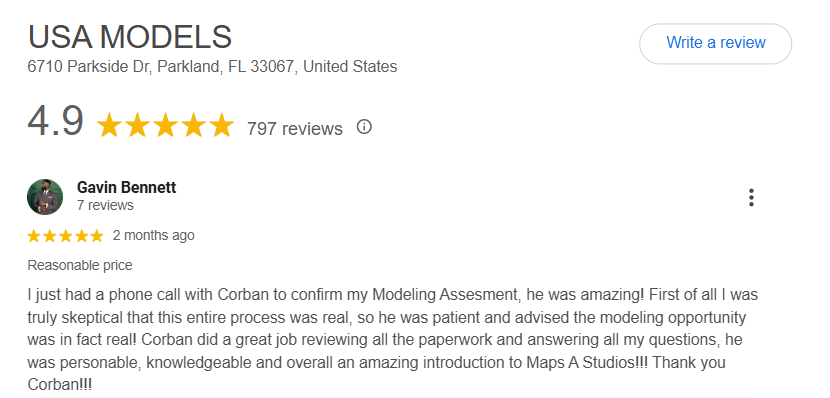
At USA Models Photography, we value our clients’ opinions and believe that their feedback is essential. We are excited to share some reviews from various platforms like GMB, where clients have shared their thoughts about their experiences with us. These reviews reflect our dedication to providing quality service and stunning photos. Take a look at the screenshots below to see what our clients have to say! For more information about our services, visit USA Models Photography.

 Frequently Asked Questions
How Do Model Portfolios Adapt to Changing Market Conditions?
Model portfolios adapt to changing market conditions by employing expert management that regularly adjusts asset allocations, ensuring they align with current economic trends. We can benefit from this flexibility, enhancing our investment strategies and risk management.
Can I Switch Between Different Model Portfolios Easily?
Absolutely, we can switch between different model portfolios easily. It allows us to adapt our investments based on changing needs or market conditions, ensuring our strategies remain aligned with our financial goals and risk tolerance.
What Types of Investors Benefit Most From Model Portfolios?
We believe that busy investors, those seeking simplicity, and individuals new to investing benefit most from model portfolios. They offer a straightforward way to achieve diversification and professional management without overwhelming decision-making processes.
Are Model Portfolios Suitable for Retirement Accounts?
Absolutely, model portfolios suit retirement accounts well. They simplify investment choices, offer diversification, and provide professional management, allowing us to focus on long-term goals while reducing the stress of active portfolio management.
How Are Model Portfolios Rebalanced Over Time?
When it comes to rebalancing model portfolios over time, we regularly assess asset allocations, making adjustments based on market performance and client goals. This guarantees our portfolios remain aligned with our investment strategies and risk tolerance.
Conclusion
To sum up, model portfolios offer a convenient way to navigate investment strategies, but they aren’t one-size-fits-all. By understanding their key differences such as customization, risk profiles, and management styles we can make informed decisions that align with our financial goals. While they come with advantages and disadvantages, being aware of these factors empowers us to choose the right model portfolio for our unique situations. Let’s take this knowledge and enhance our investment journey together!
Note: We love sharing creative inspiration, photography tips, and industry insights to help you capture life’s best moments! However, the services, styles, and equipment mentioned in our articles are for informational purposes only and may not reflect our current offerings. For the latest on our photography services and portfolio, visit USA Models. Let’s create something beautiful together!

 English
 Arabic
 Français
 Español
 Português
 Deutsch
 Dutch
Dutch
 Italiano
 Russian
 Romaian