


Why PCL Is Rising in Regenerative Aesthetics & Skincare
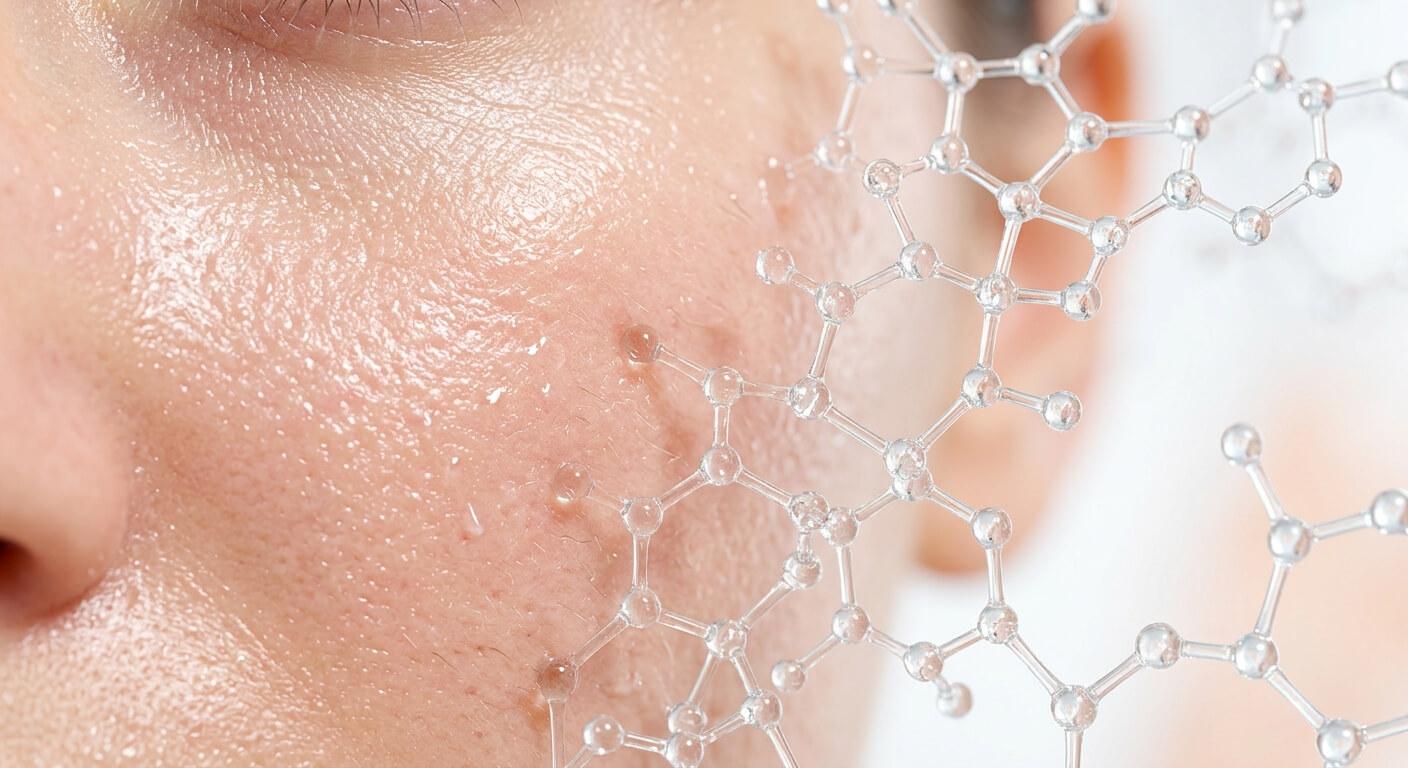
In an era when regenerative medicine, aesthetic medicine, and efficacy-oriented skincare are increasingly converging, PCL raw materials are becoming an important area of focus in the field of polymer materials. Their significance lies not only in their biodegradability, but also in their ability to provide structural support, controlled release and delivery, and tissue repair, enabling them to serve as a “material foundation” across different applications.
I. What Is PCL Raw Material?
PCL is short for polycaprolactone, an artificially synthesized biodegradable polyester polymer material. From a molecular structural perspective, its repeating unit contains five non-polar methylene groups and one polar ester group. This structural characteristic gives PCL good flexibility and processability.
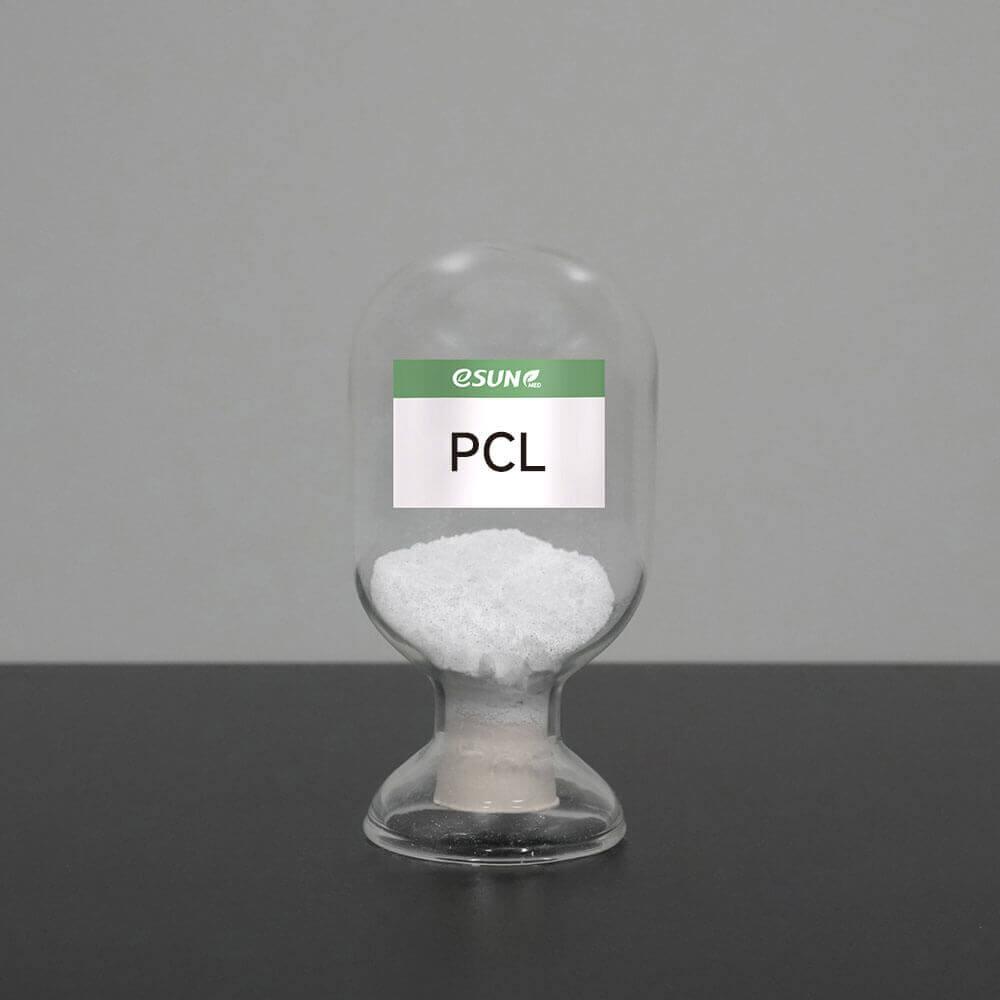
Its typical characteristics include good biocompatibility, a semi-crystalline structure, and relatively slow degradation. Depending on the clinical application, when used as an aesthetic injectable material, its effects typically last 12–48 months. PCL mainly degrades in the body through the hydrolysis of ester bonds and is ultimately metabolized into carbon dioxide (CO2) and water (H2O), with virtually no accumulation in the body.
In fact, PCL has been safely used in the biomedical field for more than 70 years, including as a suture material and, in recent years, in biomedical applications such as 3D printing of tissues and organs. It is not merely a simple filling material, but rather an engineering material whose molecular weight, crystallinity, and structural morphology can be precisely tailored.
II. Why Has PCL Become a Hot Topic?
The core reason PCL has attracted renewed attention is that industry needs have changed. As consumer demand for minimally invasive anti-aging treatments continues to grow, the market is no longer focused solely on “immediate results,” but is increasingly emphasizing “long-lasting, natural, and safe” regenerative effects.
Against this backdrop, the advantages of PCL are clear:
· Long-lasting support: PCL has relatively slow degradation characteristics, making it suitable for applications that require the material structure to be maintained for an extended period.
· Natural-looking results: In specific PCL microsphere regenerative aesthetic products, the material stimulates the synthesis of endogenous collagen. After injection, swelling and translucency are reduced, resulting in more natural-looking outcomes.
· Biodegradability: The material is biodegradable and can ultimately be absorbed and eliminated by the body, reducing the potential risk associated with residual foreign material.
III. The Core Material Logic of PCL
To understand PCL, the most important thing is to understand its “material logic.” Its performance is not determined by a single component, but by structural design.
1. Molecular Weight Determines the Degradation Rate
The degradation of PCL in the body generally occurs in two stages. In the first stage, the molecular weight continuously decreases, while the material generally does not undergo deformation or mass loss. This means that it can maintain excellent volume and physical support during the early stage. In the second stage, once the molecular weight decreases to a certain level, the material begins to break into fragments and lose mass. This process is jointly influenced by molecular weight, crystallinity, and material morphology, enabling the “lifespan” of PCL to be precisely adjusted through molecular design.
2. Crystallinity Determines Mechanical Performance
The crystallinity of PCL affects the material’s stiffness, stability, and degradation behavior. Higher crystallinity generally results in slower degradation. However, the ultimate mechanical properties and supporting capacity also depend on molecular weight, processing technology, and overall structural design.
3. Structural Morphology Determines the Application
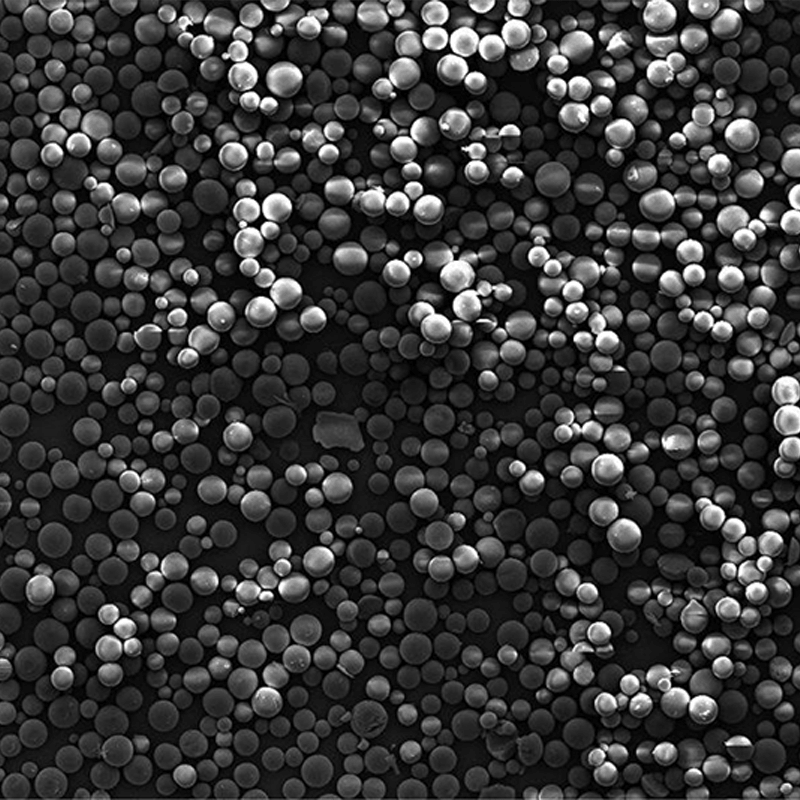
Different structures are suited to different applications. In tissue engineering research, porous PCL scaffolds can provide a three-dimensional space for cell adhesion, migration, and tissue formation. Dense PCL microspheres, on the other hand, are more commonly used for drug delivery and regenerative aesthetic formulations. Through control of specific microsphere particle sizes (typically no less than 20 μm to avoid being engulfed too quickly by macrophages), they can induce moderate neocollagenesis.
IV. The Value of PCL in Regenerative Applications
In the Chinese aesthetic medicine market, one of the most representative commercial applications of PCL is PCL microsphere-based subcutaneous injectable regenerative materials. For such products, the mechanism of action can be summarized as “immediate mechanical support + long-term stimulation of collagen regeneration.”
The first PCL-containing aesthetic injectable product approved for marketing in China was Ellansé, developed by Huadong Medicine. Its main components are 30% polycaprolactone (PCL) microspheres and 70% carboxymethyl cellulose (CMC) gel carrier. When injected into the subcutaneous tissue, the CMC gel provides immediate filling. Subsequently, as the CMC is metabolized, the PCL continuously stimulates collagen regeneration in the subcutaneous tissue at the injection site, achieving a fuller and more natural-looking effect.
In recent years, competition in this field has gradually intensified. In 2024, “Su Yan Zhen” from Shandong Caicai Medical received approval; in 2025, “Qing Yan” from Meiyan Space was subsequently approved and launched. This marks the gradual formation of a multi-brand competitive landscape for regenerative aesthetic injectable materials containing PCL microspheres, providing more diverse solutions for clinical selection and consumer needs.
V. What Are the Potential Applications of PCL in Efficacy-Oriented Skincare?
The combination of PCL with efficacy-oriented skincare is currently reflected more in research into material-based delivery technologies rather than in its use as a traditional direct skincare active ingredient. Modern efficacy-oriented skincare is increasingly focused on whether active ingredients can remain stable and achieve effective transdermal absorption, and PCL happens to be an excellent potential carrier for biological delivery.
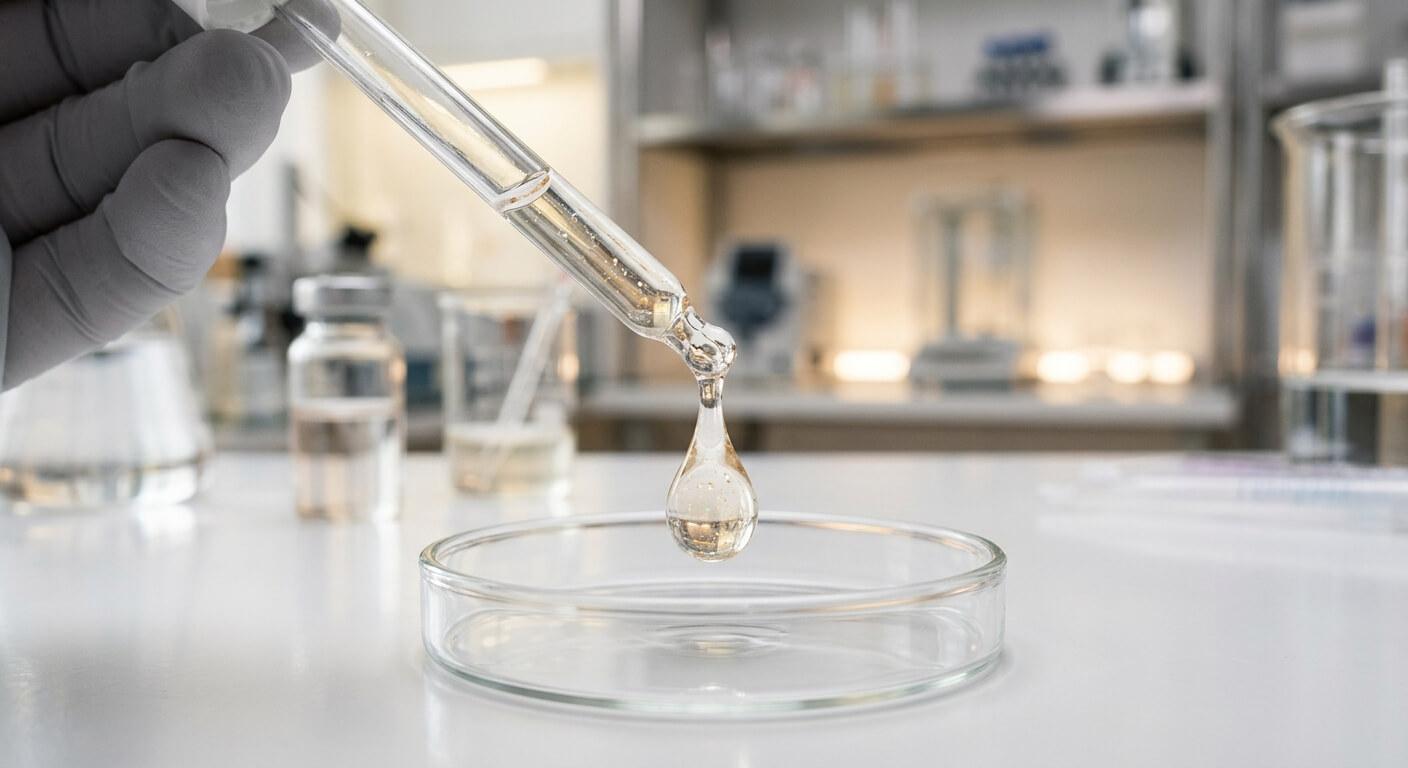
Microspheres, nanoparticles, and other structures prepared using PCL can be used to encapsulate certain easily deactivated active ingredients, such as peptides and vitamins, improving their formulation stability and regulating their release through the gradual degradation of the material. This can help construct restorative formulations with more layered effects and longer-lasting action.
VI. What Do Regulatory Requirements and Quality Systems Mean?
PCL products in the aesthetic medicine field are Class III medical devices and must undergo rigorous clinical trials and safety validation in accordance with relevant regulations of the National Medical Products Administration. For PCL raw material companies, entering the industrialization stage requires more than simply synthesizing the material; it also requires the establishment of stable raw material quality standards.
This requires companies to meet extremely high medical-grade standards in areas including production process control, removal of impurities and residual substances, and batch-to-batch consistency evaluation. If the material is further expanded into cosmetic applications in the future, the applicable compliance pathway will need to be determined according to the regulatory requirements for the specific product. Only after overcoming the quality and regulatory barriers can PCL achieve large-scale industrialization and commercial application.
VII. From Material R&D to Industrialization: The PCL Practice of eSUNMed
PCL industrialization requires not only stable material properties of the polymer itself, but also precise control of molecular weight, purity, residual substances, particle size and morphology, as well as subsequent material processing and application development. In this process, upstream biomedical polymer material companies serve as an important bridge connecting fundamental material R&D with downstream end-product development.

Represented by eSUNMed, companies in this sector focus on the development of biomedical polymer materials and related products, with in-depth industrialization efforts in areas such as PCL polymers and PCL microspheres. From the perspective of industry development, the core value of such upstream companies lies not merely in supplying a type of polymer raw material, but more importantly in establishing rigorous systems covering material purity, molecular weight distribution, particle size uniformity, and batch-to-batch stability, thereby providing a safer and more stable material foundation for innovation in downstream medical devices and biomaterial products.
VIII. Future Trends in PCL Regenerative Materials
According to the latest industry blueprints analyzing trends in regenerative injectable aesthetic products, driven by increasing consumer demand for minimally invasive anti-aging treatments and technological advances, regenerative materials such as PCL are expected to develop in the following directions:
· Expansion of indications and application sites: With the validation of clinical research, PCL may be increasingly used not only on the face, but also in areas such as the neck, décolletage, hand rejuvenation, and even whole-body contouring.
· Innovation in combination treatment modalities: PCL products may be combined with other materials and energy-based devices to form “combined treatment protocols” aimed at achieving improved aesthetic outcomes.
· Personalized customization and increasingly stringent regulation: Customized products may be developed to address individual differences, while stringent regulatory mechanisms will effectively prevent substandard products from entering the market and strengthen consumer confidence.
For the industry as a whole, the development of PCL materials offers an approach that is closer to the future: shifting from a sole focus on immediate filling or short-term modification toward greater attention to the long-term stability of materials, tissue remodeling, and gradual, natural-looking results.

 Arabic
 Français
 Español
 Português
 Deutsch
 Türkçe
 Dutch
Dutch
 Italiano
 Russian
 Romaian