


Introduction to Conformal Coating Stripper: Stripping Process And Types
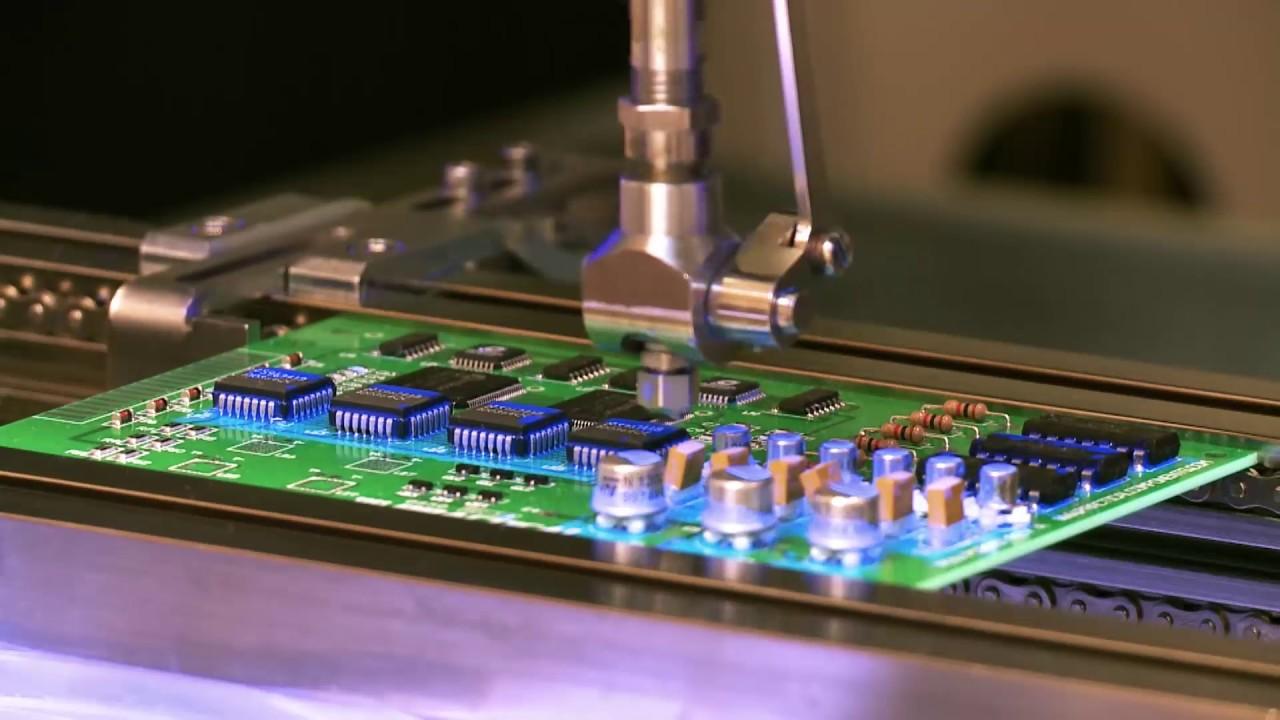
Conformal coating is widely used in the electronics manufacturing industry to protect printed circuit boards and components from environmental factors like moisture, dust, chemicals and mechanical damage. However, there are times when the existing conformal coating needs to be removed, usually for repair or rework purposes. This is where conformal coating stripper comes into play. Conformal coating stripper is a chemical solution that is specially formulated to safely and effectively remove existing conformal coatings from circuit boards and components.
Types of Conformal Coating Strippers
There are different types of conformal coating strippers available depending on the type of conformal coating that needs to be removed. The most common types are:
Acetone-based stripper: Acetone is one of the most effective and widely used chemical for Conformal Coating Stripper like acrylics. Acetone dissolves the coating without damaging common substrate materials like FR-4. However, it evaporates quite quickly so multiple applications may be needed.
MEK (Methyl Ethyl Ketone)-based stripper: MEK is as effective as acetone for removing acrylic coatings but has slower evaporation rates. This allows it to dwell on the surface for longer before being wiped away. However, MEK is more toxic and flammable compared to acetone.
NMP (N-Methyl-2-pyrrolidone)-based stripper: NMP is suitable for removing epoxy, polyurethane and silicone coatings that are difficult to strip with acetone or MEK. It has good dwell time and leaves minimal residue after stripping. However, it is more expensive and toxic compared to other strippers.
Solvent cleaner blends: These multi-solvent formulations contain mixtures of acetone, MEK, NMP and other cleaning solvents. They work on a broad range of conformal coatings without needing formulation changes. However, their performance is not as targeted as single solvent strippers.
Stripping Process
The basic steps involved in stripping conformal coating using a chemical stripper are:
1. Apply the stripper generously on the coated surface using a brush, wipe or spraying. Flood coating is recommended for best results.
2. Allow the stripper to soak and dwell based on the stripper type - typically 2-10 minutes. This time allows the stripper to soften and dissolve the coating.
3. Wipe away the loosened coating using a lint-free cloth or wipe. Multiple wipe passes may be needed for complete removal.
4. Repeat steps 1-3 if some coating remains after initial wipe. More stripper application and dwell time helps for stubborn coatings.
5. once the surface is clean, use solvent like IPA to remove any residues left by the stripper. A final rinsed with water may also be done.
6. Inspect under microscope to ensure complete stripping before proceeding with repairs.
Safety Considerations
While strippers effectively remove unwanted conformal coatings, safety should not be compromised:
- Wear appropriate gloves, goggles and ventilation in the stripping area as most strippers are toxic.
- Work in a well-ventilated area or fume hood since strippers give off harmful vapors.
- Avoid skin contact and do not inhale stripper vapors.
- Store and dispose strippers as per MSDS guidelines.
- Have spill containment and neutralizing materials ready in case of accidents.
- Consider less toxic alternatives like citrus/orange-based or water-based strippers where possible.
Special Removal Techniques
For difficult coatings that do not dissolve normally, alternate techniques may be needed:
Mechanical removal: Stubborn coatings can be scored or scraped off carefully using knife or blade. This allows stripper to penetrate easier.
Thermal shock: Quick heating using hot air gun followed by stripper application helps break coating adhesion. Use low temp to avoid component damage.
Ultrasound assisted: Exposure to ultrasound waves along with stripper enhances its performance. Modern immersion stripping systems provide this feature.
Conformal coating strippers are indispensable chemicals used for removing cured coatings in printed circuit board rework and repairs. Choosing the right type of stripper matched to the coating material is important for effective and safe removal. Following manufacturer guidelines and standard stripping procedures ensures optimal results along with operator safety. With the availability of different strippers and enhanced techniques, conformal coating removal has never been easier.
Get More Insights On This Topic: Conformal Coating Strippers Market

 English
 Arabic
 Français
 Español
 Português
 Deutsch
 Dutch
Dutch
 Italiano
 Russian
 Romaian