


What Innovations Are Driving Access Control Systems?
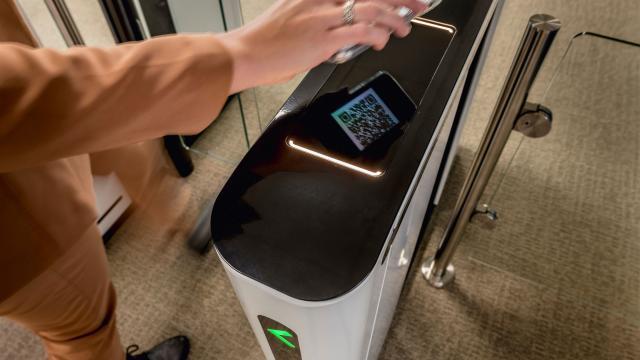
Access control systems have undergone significant transformations in recent years, propelled by advancements in technology and a growing emphasis on security and convenience. From traditional key-based systems to sophisticated biometric authentication methods, the landscape of access control continues to evolve rapidly.
In this article, we delve into the innovations that are shaping the future of access control systems, examining their features, benefits, and the impact they have on security and access management.
Evolution of Access Control Systems
Access control systems have come a long way from mechanical locks and keys. The evolution began with the introduction of electronic access control systems, which replaced traditional keys with electronic credentials such as key cards and fobs. These systems offered improved security and convenience, enabling administrators to easily manage access permissions and track entry and exit events.
Introduction of Biometric Authentication
One of the most significant innovations in access control is the integration of biometric authentication technologies. Biometrics, such as fingerprint, iris, and facial recognition, offer a higher level of security by authenticating individuals based on unique biological traits.
Unlike key cards or PIN codes, biometric credentials cannot be lost, stolen, or easily replicated, making them an ideal choice for high-security environments.
Cloud-Based Access Control
Cloud-based access control systems have revolutionized the way organizations manage access to their facilities. By leveraging cloud technology, these systems offer centralized management, remote access capabilities, and seamless integration with other security solutions.
Administrators can conveniently manage access permissions, receive real-time alerts, and access audit trails from any internet-connected device, enhancing security and efficiency.
Mobile Access Solutions
Mobile access solutions have emerged as a convenient alternative to traditional key cards and fobs. By utilizing smartphones as access credentials, these solutions enable users to gain entry to secured areas using their mobile devices.
Mobile access offers added flexibility and security, as users are less likely to forget or lose their smartphones compared to traditional credentials.
Internet of Things (IoT) Integration
The integration of access control systems with IoT technology has opened up new possibilities for enhanced security and automation. IoT-enabled devices such as smart locks and sensors can communicate with access control systems, allowing for dynamic access control based on various factors such as time of day, occupancy levels, and security threats. This integration enhances security while improving operational efficiency.
Artificial Intelligence (AI) and Machine Learning
AI and machine learning are increasingly being integrated into access control systems to enhance security and streamline operations. These technologies enable access control systems to analyze vast amounts of data in real-time, detect anomalies, and predict potential security breaches. AI-powered analytics can identify patterns and trends, allowing administrators to proactively address security risks.
The Difference Between Wiegand and OSDP
In the realm of access control communications protocols, the Difference Between Wiegand and OSDP is a crucial consideration. While Wiegand has been a longstanding standard for communication between readers and control panels, OSDP (Open Supervised Device Protocol) offers advanced features such as bidirectional communication, encryption, and tamper detection.
Unlike Wiegand, which transmits data in an unencrypted format, OSDP provides a more secure and reliable communication method, making it ideal for high-security applications.
Conclusion
Access control systems continue to evolve, driven by innovations that enhance security, convenience, and efficiency. From biometric authentication to cloud-based management solutions, the landscape of access control is becoming increasingly sophisticated. As organizations strive to protect their assets and ensure the safety of their employees and visitors, investing in modern access control technologies becomes imperative. By staying abreast of the latest innovations and adopting solutions that meet their specific needs, organizations can effectively manage access to their facilities while staying ahead of emerging security threats.

 English
 Arabic
 Français
 Español
 Português
 Deutsch
 Dutch
Dutch
 Italiano
 Russian
 Romaian