


Waste Management Innovations You Need to Know
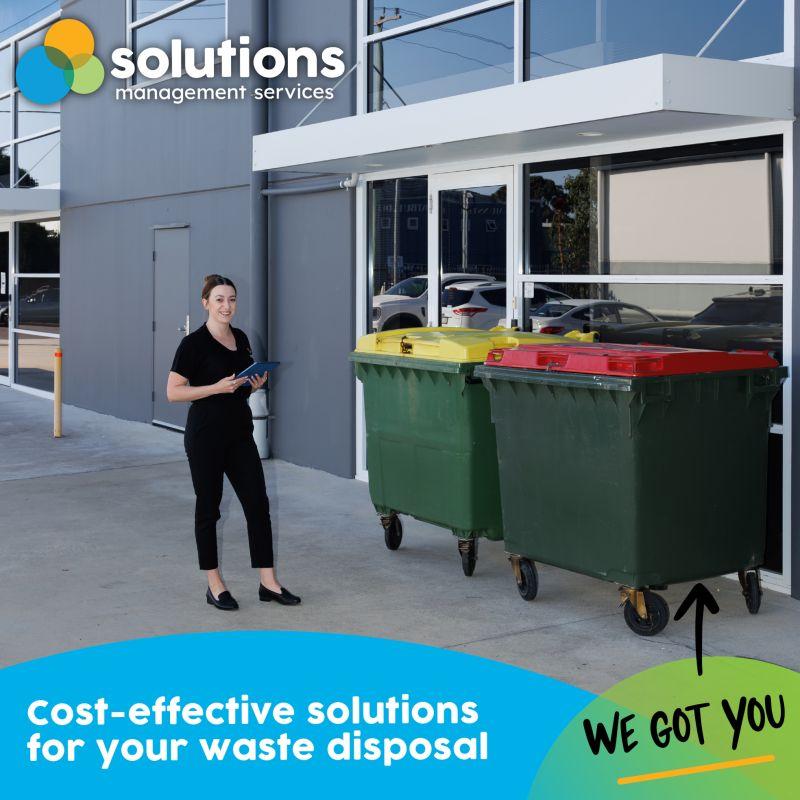
In a world increasingly focused on sustainability and environmental responsibility, waste management is undergoing a significant transformation. Innovative technologies and practices are emerging to address the challenges of waste disposal, recycling, and resource conservation. Here are some of the most exciting waste management innovations you need to know about.
Smart Waste Bins and IoT Integration
One of the most transformative innovations in waste management is the integration of Internet of Things (IoT) technology with smart waste bins. These bins are equipped with sensors that monitor waste levels in real-time. The data collected is then transmitted to waste management services, enabling them to optimise collection routes and schedules. This not only reduces fuel consumption and emissions but also prevents overflowing bins, improving public hygiene and the overall aesthetic of urban areas.
Benefits of Smart Waste Bins
- Optimised collection routes reduce operational costs and carbon footprints.
- Real-time data helps prevent bin overflow and associated health hazards.
- Enhanced efficiency in waste collection services.
Automated Sorting Systems
Automation is revolutionising the way we sort and recycle waste. Advanced sorting systems using artificial intelligence (AI) and robotics can efficiently separate recyclable materials from general waste. These systems are far more accurate and faster than manual sorting, leading to higher recycling rates and reduced contamination.
Advantages of Automated Sorting
- Increased accuracy in separating recyclable materials.
- Higher processing speeds compared to manual sorting.
- Reduced contamination improves the quality of recycled materials.
Waste-to-Energy Technologies
Waste-to-energy (WtE) technologies are gaining momentum as a sustainable solution for managing non-recyclable waste. These technologies convert waste into energy through processes such as incineration, gasification, and anaerobic digestion. By generating renewable energy from waste, WtE technologies reduce the amount of waste sent to landfills and help meet energy needs.
Key Benefits of Waste-to-Energy
- Reduces landfill use and associated environmental impact.
- Provides a renewable source of energy.
- Helps manage non-recyclable waste effectively.
Circular Economy Models
The shift towards a circular economy is redefining waste management. In a circular economy, products and materials are kept in use for as long as possible, through practices like reuse, refurbishment, and recycling.
Impact of Circular Economy
- Minimises waste and conserves resources.
- Promotes sustainable product design and manufacturing.
- Encourages recycling and the use of secondary materials.
Blockchain for Waste Management
Blockchain technology is being explored for its potential to enhance transparency and efficiency in waste management. By using blockchain, companies can track waste from its origin to its final disposal, ensuring accountability and reducing fraud. This technology can also facilitate better regulatory compliance and improve data accuracy.
Benefits of Blockchain Integration
- Enhanced transparency and traceability in waste management processes.
- Improved regulatory compliance and reporting.
- Reduced risk of fraud and mismanagement.
Advanced Recycling Techniques
New recycling techniques are emerging to handle materials that were previously considered non-recyclable. Chemical recycling, for example, breaks down plastics into their chemical components, which can then be reused to produce new plastics. Similarly, advanced biotechnological processes are being developed to recycle organic waste more efficiently.
Advantages of Advanced Recycling
- Expand the range of recyclable materials.
- Produces higher-quality recycled products.
- Reduces reliance on virgin materials.
Conclusion
The field of waste management is evolving rapidly, driven by technological advancements and a growing emphasis on sustainability. Innovations such as smart waste bins, automated sorting systems, waste-to-energy technologies, and circular economy models are paving the way for more efficient and sustainable waste management practices. By staying informed about these innovations, businesses and communities can adopt strategies that not only reduce their environmental impact but also contribute to a more sustainable future.
Embrace these waste management innovations and be part of the solution to create a cleaner, greener planet for future generations.

 English
 Arabic
 Español
 Português
 Deutsch
 Türkçe
 Dutch
Dutch
 Italiano
 Russian
 Romaian