


Dive into Safety: Lifeguard Course Essentials
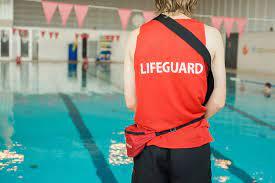
In the realm of aquatic safety,
lifeguards stand as vigilant sentinels, poised to ensure the well-being of swimmers and patrons alike. Behind their watchful gaze lies a comprehensive training regimen that equips them with the knowledge and skills necessary to handle emergencies effectively. From swift water rescues to CPR administration, lifeguard courses serve as the cornerstone of aquatic safety. Today, we delve into the essential components of such training, shedding light on the critical elements that shape the competence and readiness of lifeguards.
Foundational Knowledge:
At the heart of every lifeguard course lies a robust foundation of theoretical understanding. Lifeguards must possess a deep comprehension of water dynamics, recognizing the signs of distress and understanding the principles of buoyancy and hydrodynamics. Additionally, courses often cover topics such as hazard recognition, facility rules and regulations, and emergency action plans. This foundational knowledge forms the bedrock upon which lifeguards build their expertise in safeguarding swimmers and maintaining a safe aquatic environment.
First Aid and CPR:
In emergencies, every second counts, and lifeguards must be prepared to act decisively. Lifeguard courses typically include comprehensive training in first aid and cardiopulmonary resuscitation (CPR). Participants learn to assess injuries, apply bandages and splints, and administer CPR to individuals experiencing cardiac arrest. Mastery of these techniques empowers lifeguards to intervene effectively in critical situations, potentially saving lives in the process.
Water Rescue Techniques:
Central to the role of a lifeguard is the ability to execute swift and effective water rescues. Lifeguard courses emphasize a variety of rescue techniques tailored to different scenarios, including passive drowning victims, active drowning victims, and submerged rescues. Participants learn how to approach distressed swimmers safely, perform rescue maneuvers, and transport individuals to safety using specialized equipment such as rescue tubes and backboards. Through rigorous training and simulation exercises, lifeguards hone their skills and develop the confidence to respond swiftly to emergencies in the water.
Communication and Teamwork:
Effective communication lies at the heart of successful lifeguarding. Lifeguard courses emphasize the importance of clear and concise communication among lifeguard teams, facility staff, and patrons. Participants learn to use hand signals, verbal commands, and whistle blasts to convey instructions and coordinate rescue efforts. Moreover, lifeguards are trained to work collaboratively with other emergency responders, such as paramedics and firefighters, in complex rescue scenarios. By fostering a culture of teamwork and mutual support, lifeguard courses prepare individuals to function effectively in high-pressure situations, ensuring a coordinated response to emergencies.
Continuing Education and Recertification:
In the dynamic field of aquatic safety, learning is an ongoing journey. Lifeguard courses provide participants with the foundational skills needed to excel in their roles, but staying abreast of the latest developments and best practices is equally important. Lifeguarding organizations such as the American Lifeguard Association offer continuing education opportunities, workshops, and recertification programs to help lifeguards stay sharp and maintain their proficiency over time. By investing in ongoing training and professional development, lifeguards can adapt to evolving challenges and uphold the highest standards of safety and vigilance.
In conclusion,
lifeguard courses play a vital role in shaping the competence and readiness of lifeguards, equipping them with the knowledge, skills, and confidence needed to ensure the safety of aquatic environments. From mastering first aid techniques to honing water rescue skills and fostering effective communication and teamwork, these courses provide a comprehensive training experience that prepares lifeguards to respond effectively to emergencies and protect the lives of those in their care. As guardians of aquatic safety, lifeguards embody the principles of vigilance, preparedness, and service, standing as indispensable guardians of public well-being.

 English
 Arabic
 Français
 Español
 Deutsch
 Türkçe
 Dutch
Dutch
 Italiano
 Russian
 Romaian