


How to Develop a TaskRabbit Clone Script: Features, Costs, and Key Considerations for 2024
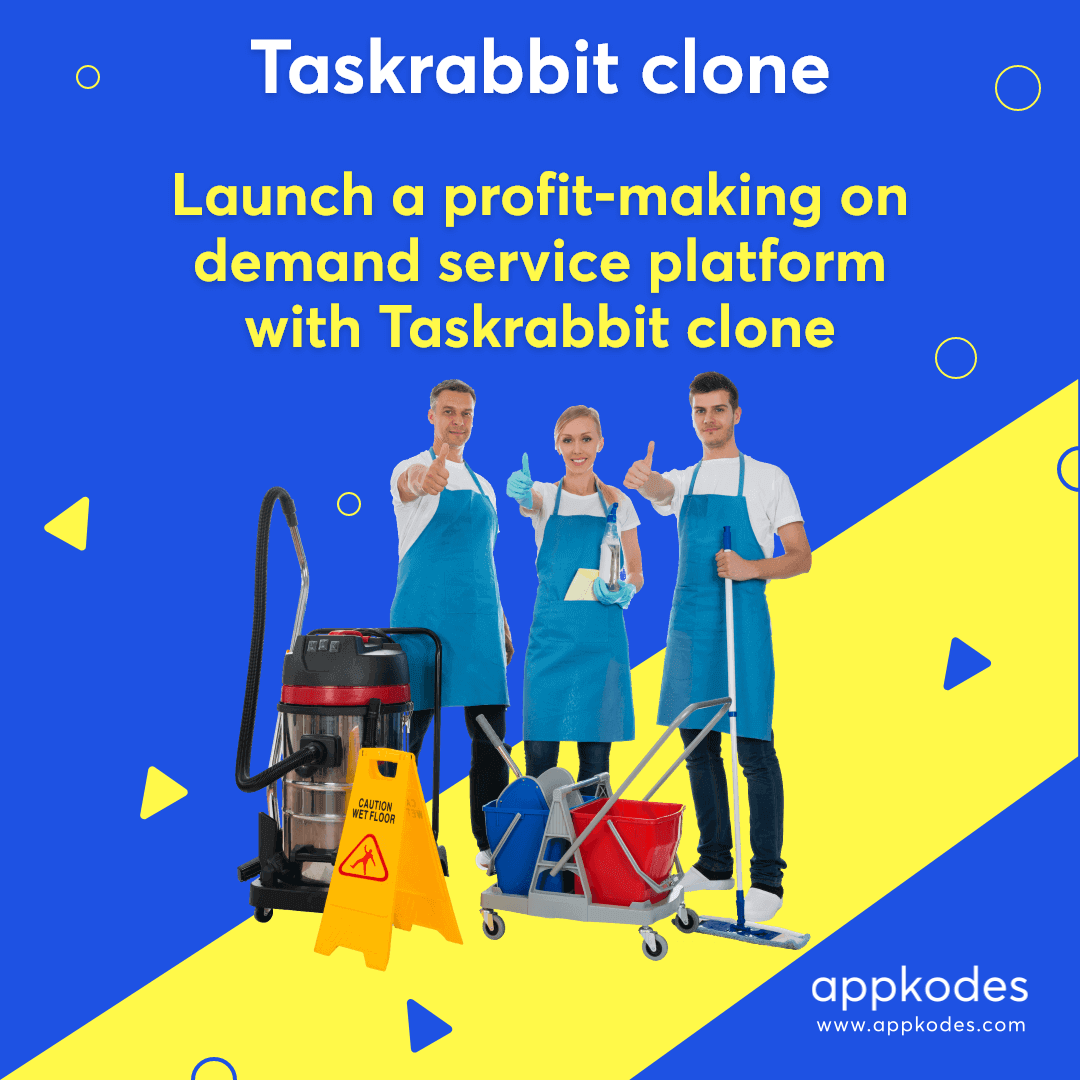
The on-demand service industry has witnessed tremendous growth in recent years, with platforms like TaskRabbit leading the way by connecting customers with freelancers for various everyday tasks. As the gig economy continues to thrive, many entrepreneurs are exploring opportunities to build their own service marketplace apps. A TaskRabbit clone Script offers a practical and efficient way to enter this lucrative market.
This blog will guide you through the development process of a TaskRabbit Clone Script and break down the costs associated with building such a platform.
What is a TaskRabbit Clone Script?
A Taskrabbit Clone Script is a customizable, ready-made software solution designed to replicate the core features and functionalities of TaskRabbit, a popular on-demand service platform. This type of app allows users to book skilled professionals or freelancers for various tasks, such as cleaning, repairs, delivery services, and more. Entrepreneurs can use a TaskRabbit clone app to create a similar marketplace tailored to their specific business needs.
Key Features of a TaskRabbit Clone Script
1. User Registration and Profiles:
Seamless registration through email, phone number, or social media accounts.
Comprehensive user profiles for both customers and service providers, including ratings, reviews, and task history.
2. Service Listings and Search Functionality:
A wide range of service categories that users can browse through.
Advanced search and filtering options to help users find the right service provider based on location, skills, ratings, and availability.
3. Real-Time Task Booking:
Users can book service providers instantly or schedule tasks for a future date.
Real-time availability of service providers to ensure quick bookings.
4. Payment Gateway Integration:
Secure and multiple payment options, including credit/debit cards, digital wallets, and bank transfers.
Payment features to handle transaction management, including automatic payments after task completion.
5. In-App Communication:
Integrated chat or call functionality that allows users and service providers to communicate within the app.
Notification alerts for booking confirmations, payment updates, and task reminders.
6. Review and Rating System:
A feedback mechanism that allows users to rate and review service providers after task completion.
This feature helps maintain quality and builds trust within the platform.
7. Admin Dashboard:
A robust admin panel for managing users, tasks, payments, and resolving disputes.
Analytics and reporting tools to monitor platform performance and user behavior.
8. Geolocation and Tracking:
GPS integration for location-based service searching and real-time tracking of service providers.
Ensures that users and service providers can easily navigate to each other’s locations.
9. Push Notifications:
Alerts and notifications for users and service providers about booking confirmations, task reminders, and promotional offers.
10. Multi-Language and Multi-Currency Support:
Essential for platforms looking to cater to a global audience.
Steps to Develop a TaskRabbit Clone App
1. Market Research and Planning:
Start with comprehensive market research to understand the target audience, competition, and key features needed.
Identify your unique selling proposition (USP) and define the services you want to offer on your platform.
2. Choose the Right Development Approach:
Decide whether to build the app from scratch or use a ready-made clone script.
Building from scratch offers more customization but is more time-consuming and expensive. Clone scripts are cost-effective and faster to deploy.
3. Select a Development Team:
Hire a reputable development team with experience in building on-demand service apps.
Consider teams that offer full-stack development, including front-end, back-end, and UX/UI design.
4. Define Features and Functionality:
Create a detailed list of features you want to include in your app.
Prioritize essential features for the initial launch and plan for additional features in future updates.
5. Design the User Interface (UI) and User Experience (UX):
Work with designers to create an intuitive and user-friendly interface.
Focus on ease of navigation, attractive design elements, and seamless functionality.
6. Development and Testing:
Start with front-end and back-end development based on the defined requirements.
Conduct thorough testing, including beta testing, to identify and fix bugs or issues.
7. Deployment and Launch:
Once the app is tested and ready, deploy it to app stores (iOS and Android) and launch it.
Promote your app through marketing campaigns to attract users and service providers.
8. Post-Launch Support and Maintenance:
Provide ongoing support to address technical issues and regularly update the app with new features or improvements.
How Much Does It Cost to Build a TaskRabbit Clone Script ?
The cost of developing a TaskRabbit Clone Script depends on several factors, including the development approach, complexity, features, and geographic location of the development team. Below is a breakdown of the key cost factors:
1. Development Approach:
Clone Script: Using a ready-made clone script is more cost-effective, ranging from $5,000 to $15,000, depending on the level of customization and features.
Custom Development: Building an app from scratch can cost anywhere from $30,000 to $100,000 or more, depending on complexity and features.
2. Platform (iOS, Android, or Both):
Developing for a single platform (iOS or Android) will be less expensive compared to building for both.
Developing for both platforms may increase the cost by 30-40%.
3. Features and Complexity:
Basic features (user registration, task booking, payment gateway) will have lower costs.
Advanced features (in-app communication, GPS tracking, multi-currency support) will increase the cost.
4. Design Costs:
The cost of UI/UX design can range from $3,000 to $10,000, depending on the complexity and experience of the designers.
5. Testing and Quality Assurance:
Testing is a crucial part of app development to ensure a bug-free experience. Costs for testing and QA can range from $5,000 to $15,000.
6. Post-Launch Maintenance and Updates:
Ongoing support and maintenance can cost around 20% of the initial development cost annually.
Conclusion
Developing a Taskrabbit Clone Script presents a promising business opportunity in the on-demand service industry. By choosing the right development approach and team, you can build a feature-rich, user-friendly platform that meets the needs of modern consumers. While the development costs can vary significantly based on several factors, investing in a TaskRabbit clone app can yield substantial returns, especially as the gig economy continues to grow. With careful planning, market research, and a well-executed development strategy, you can create a successful service marketplace that stands out in the competitive market of 2024.

 English
 Arabic
 Français
 Português
 Deutsch
 Türkçe
 Dutch
Dutch
 Italiano
 Russian
 Romaian