


Integration: Bridging Systems for Seamless Efficiency
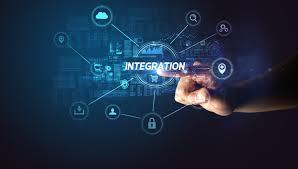
Integration is the process of connecting different software systems, tools, or platforms to work together as a cohesive unit. By enabling seamless data exchange and process synchronization, integration eliminates silos, enhances efficiency, and drives better business outcomes.
Why is Integration Important?
Modern businesses rely on multiple tools to manage operations, from customer relationship management (CRM) systems and marketing platforms to accounting software and communication tools. Without integration, these tools operate independently, often leading to:
- Data Silos: Information is scattered across systems, making it hard to access and analyze.
- Inefficiency: Manual data entry between platforms wastes time and increases the risk of errors.
- Limited Insights: Disconnected systems make it challenging to get a comprehensive view of operations.
Integration solves these challenges by connecting systems, ensuring smooth workflows and unified data access.
Types of Integration
- Application Integration: Connecting apps like CRMs, marketing tools, and project management software to share data and automate workflows.
- Data Integration: Combining data from multiple sources into a unified system for analysis and decision-making.
- System Integration: Linking hardware and software systems to function as a single unit, common in industrial and IoT applications.
- API Integration: Using Application Programming Interfaces (APIs) to enable communication and functionality between different platforms.
Benefits of Integration
- Improved Efficiency: Automates repetitive tasks and streamlines workflows.
- Enhanced Collaboration: Teams can access unified data across departments, fostering better communication.
- Better Customer Experience: Integrated systems provide a 360-degree view of customers, enabling personalized interactions.
- Cost Savings: Reduces the need for manual data handling and minimizes operational inefficiencies.
- Scalability: Simplifies adding new tools or systems as the business grows.
Examples of Integration in Action
- CRM and Marketing Integration: Syncing Salesforce or Zoho CRM with email marketing platforms like Mailchimp to automate campaigns based on customer data.
- E-commerce and Accounting Integration: Linking Shopify with QuickBooks to track sales and manage finances automatically.
- HR and Payroll Integration: Combining HR software with payroll tools to automate salary calculations and compliance tasks.
Challenges of Integration
While integration offers numerous benefits, it comes with challenges like:
- Compatibility Issues: Not all tools and systems are designed to work together seamlessly.
- Data Security Risks: Sharing data between systems requires robust security measures to prevent breaches.
- Implementation Complexity: Setting up integrations can be time-consuming and require technical expertise.
© 2026 Webyourself Social Media Platform
 Deutsch
Deutsch
 English
 Arabic
 Français
 Español
 Português
 Türkçe
 Dutch
Dutch
 Italiano
 Russian
 Romaian