


How do NVR systems work with CCTV cameras for video recording?
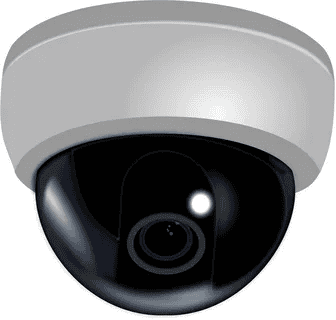
Network Video Recorder (NVR) systems have revolutionized the way CCTV cameras record and manage video footage. Unlike traditional methods relying on analog systems, these advanced solutions provide seamless recording, efficient data management, and enhanced accessibility. A trusted Security Company can help you understand how NVR systems work with CCTV cameras, ensuring you select the best surveillance solution for your modern security needs.
What Is an NVR System?
An NVR system is a dedicated device designed to record video footage directly from network-based cameras. Unlike Digital Video Recorders (DVRs), which process video from analog cameras, NVR systems are used exclusively with IP (Internet Protocol) cameras. The system operates by receiving video data through a network connection, storing it digitally, and offering various playback and analysis options.
NVR systems do not depend on physical connections for video transmission. Instead, they use local area networks (LANs) or the internet to communicate with CCTV cameras, enabling a more flexible and scalable surveillance setup.
How NVR Systems Connect with CCTV Cameras
The integration of NVR systems and CCTV cameras begins with network configuration. IP cameras are connected to the same network as the NVR, either through wired Ethernet connections or wirelessly. Once connected, the cameras transmit high-definition video data to the NVR in real time.
The NVR assigns each connected camera an IP address, allowing for smooth communication and efficient data management. This network-based interaction eliminates the need for extensive cabling and ensures minimal interference, even in large-scale installations.
Role of IP Cameras in NVR Systems
IP cameras play a crucial role in the functioning of NVR systems. These cameras are equipped with built-in processors and software that digitize and compress video data before transmitting it to the NVR. This pre-processing reduces the workload on the NVR, allowing it to handle multiple cameras without performance issues.
The high-resolution capabilities of IP cameras, including 4K and beyond, ensure that the recorded footage is clear and detailed. This makes NVR systems ideal for applications requiring accurate surveillance, such as facial recognition, license plate identification, or monitoring expansive areas.
Data Transmission and Storage
NVR systems rely on a network infrastructure for data transmission. The video data from CCTV cameras is sent to the NVR over an IP network, where it is encoded and stored in a digital format. Modern NVR systems support multiple storage options, including built-in hard drives, external drives, and cloud storage.
Cloud storage integration allows users to access recorded footage from anywhere, adding an extra layer of convenience and security. Additionally, the storage capacity of an NVR can be expanded as needed, ensuring that large amounts of video data can be retained for extended periods.
Video Compression and Quality Management
One of the key features of NVR systems is video compression. To manage storage space effectively, NVRs use advanced codecs like H.264, H.265, or newer technologies to compress video files without compromising quality. This ensures that high-resolution video can be stored efficiently, even when multiple cameras are recording simultaneously.
The compression process also facilitates smooth streaming during remote access. Users can view live or recorded footage without experiencing delays, even with limited bandwidth.
Remote Access and Monitoring
NVR systems are designed for easy remote access. By connecting the NVR to the internet, users can monitor live feeds, review footage, and manage settings through a mobile app or web interface. This capability is particularly useful for businesses or homeowners who want to keep an eye on their property while away.
Remote access also allows for real-time alerts. For example, motion detection or unauthorized access can trigger notifications, enabling immediate action to address potential security threats.
Advanced Features of NVR Systems
Modern NVR systems come with various advanced features to enhance surveillance efficiency. These include motion detection, where the system records only when motion is detected, saving storage space and making it easier to locate specific events. Additionally, NVRs often support AI-based analytics, such as facial recognition, behavior analysis, and object tracking.
Some NVR systems are also equipped with PoE (Power over Ethernet) capabilities. This feature allows the same Ethernet cable to provide both power and data transmission to IP cameras, simplifying installation and reducing the need for additional power sources.
Scalability and Flexibility
One of the standout advantages of NVR systems is their scalability. As network-based solutions, they can accommodate additional cameras without significant modifications to the setup. This makes them ideal for growing businesses or large-scale surveillance projects.
The flexibility of NVR systems also extends to camera placement. Since data transmission is network-based, cameras can be positioned far from the NVR without requiring extensive cabling, provided they are within the network's range.
Comparison with DVR Systems
While both NVR and DVR systems serve the purpose of video recording, their working principles and features differ significantly. DVR systems rely on analog cameras and coaxial cables, which can limit image quality and installation flexibility. NVR systems, on the other hand, use IP cameras and networks, offering higher resolution, scalability, and advanced features.
The choice between NVR and DVR depends on specific needs, but NVR systems are generally preferred for modern installations due to their superior technology and versatility.
Applications of NVR Systems
NVR systems are widely used in various sectors, including retail, healthcare, transportation, and residential security. Their ability to provide high-resolution footage, remote access, and AI-driven analytics makes them suitable for diverse surveillance requirements.
For instance, retail stores use NVR systems to monitor customer behavior and prevent theft, while healthcare facilities rely on them for patient safety and facility security. Similarly, homeowners benefit from NVR systems by keeping their properties secure with minimal maintenance efforts.
Conclusion
NVR systems have transformed video recording and surveillance by leveraging network-based technology and advanced features. Their seamless integration with IP CCTV cameras ensures high-quality footage, efficient storage, and flexible monitoring options. As security demands continue to evolve, NVR systems are poised to remain a cornerstone of modern surveillance solutions, offering unparalleled convenience and reliability.

 Arabic
 Français
 Español
 Português
 Deutsch
 Türkçe
 Dutch
Dutch
 Italiano
 Russian
 Romaian