


Effective Plastic Waste Management & Recycling Solutions
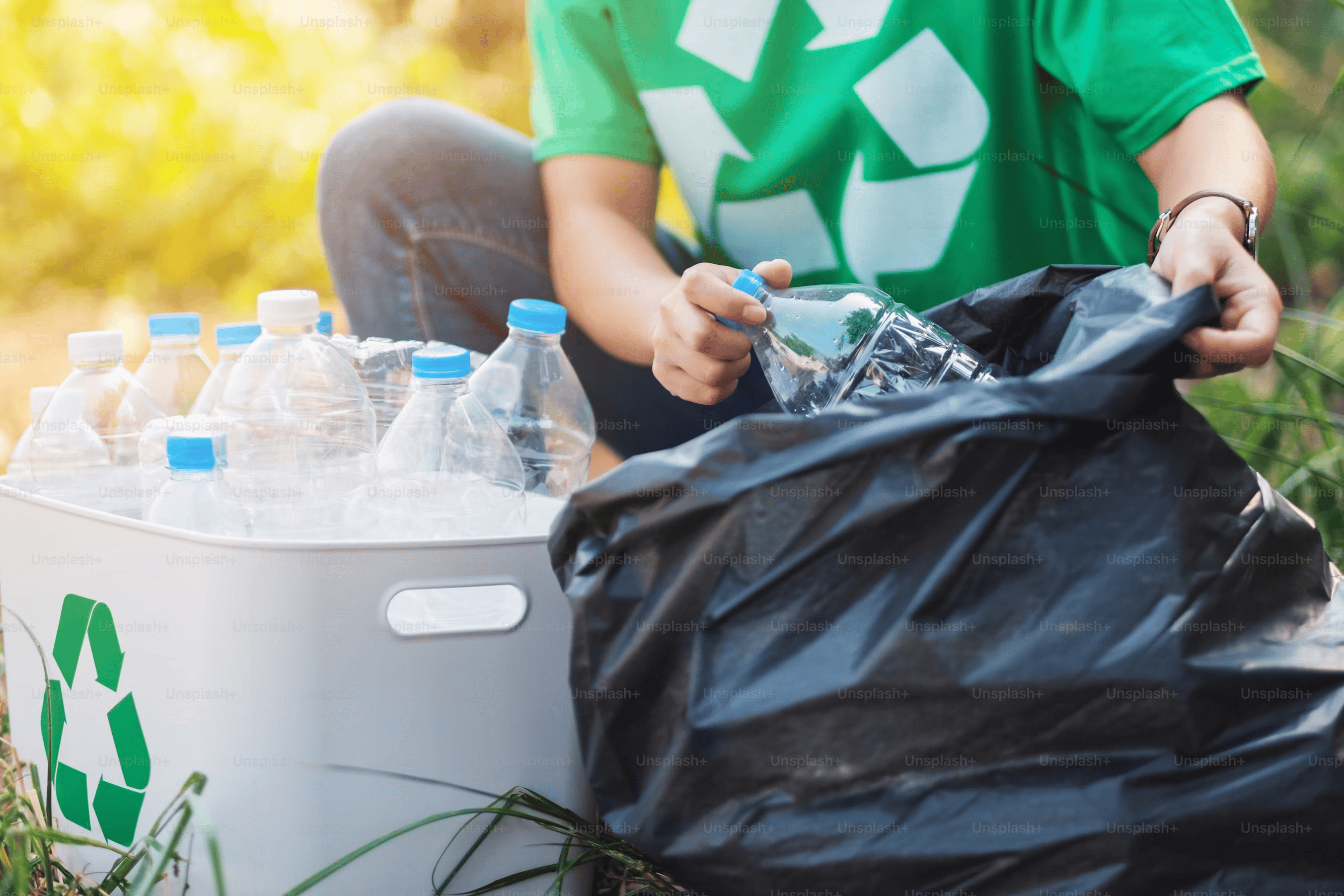
Effective Plastic Waste Management & Recycling Solutions
Effective plastic waste management and recycling solutions are crucial to tackling the environmental challenges posed by plastic pollution. The sheer volume of plastic waste produced annually—estimated at 400 million tons worldwide—necessitates an integrated and multi-faceted approach. Below are some of the most effective strategies and solutions to manage and reduce plastic waste:
1. Reduce, Reuse, and Recycle (The 3 Rs)
- Reduce: Prevent plastic waste at the source by minimizing plastic production and consumption. Encourage businesses and consumers to switch to alternative materials, such as biodegradable or reusable products, or use fewer single-use plastics.
- Reuse: Promote the use of reusable plastic items (e.g., bottles, bags, containers) instead of disposable alternatives. Systems that encourage return and reuse—such as refill stations for containers—can play a key role.
- Recycle: Efficient recycling systems are essential for reducing the volume of plastic waste. However, only around 9% of plastic worldwide is recycled. Increasing this rate involves improving sorting technologies, expanding collection infrastructure, and creating markets for recycled plastic.
2. Extended Producer Responsibility (EPR)
EPR programs hold producers accountable for the lifecycle of their products, including the end-of-life disposal and recycling. This encourages companies to design products with recyclability in mind, reduce unnecessary plastic packaging, and contribute to recycling infrastructure. In many countries, this has led to improved recycling rates and better waste management systems.
3. Advanced Plastic Recycling Technologies
Traditional recycling often involves mechanical processes like shredding and sorting, but this is limited in terms of quality and the range of materials it can handle. Emerging technologies in advanced recycling could significantly improve the recycling of plastic:
- Chemical Recycling: This process breaks down plastic into its chemical components, which can be reused to produce new plastics, chemicals, or fuels. It offers the potential to recycle complex or contaminated plastics that are not suitable for traditional methods.
- Pyrolysis and Gasification: These processes convert plastic waste into synthetic fuels or other products through thermal decomposition. They can address plastics that are difficult to recycle mechanically.
- Enzymatic Recycling: Researchers are working on developing enzymes that can break down plastics like PET into their building blocks, which can be repurposed into new products.
4. Design for the Environment (DfE)
Encouraging manufacturers to design products with recyclability and environmental impact in mind is a key element of effective plastic waste management. This includes:
- Reducing the use of mixed or multi-material packaging that is difficult to recycle.
- Using mono-materials for easier recycling.
- Incorporating biodegradable materials into product design where feasible.
5. Circular Economy Models
Transitioning to a circular economy, where plastic products are designed to be reused, recycled, or composted rather than disposed of, can help close the loop on plastic waste. In a circular economy, businesses and consumers continually reuse resources, minimizing waste. This requires a systemic change in how plastics are designed, used, and disposed of, fostering collaboration between manufacturers, consumers, and waste management industries.
6. Plastic Collection and Sorting Improvements
Improving waste collection and sorting is critical to maximizing recycling rates. Innovations in waste collection, sorting technologies (such as AI-powered robotic sorters), and tracking systems help ensure that plastics are properly separated, cleaned, and processed for recycling.
- Deposit Return Schemes (DRS): These systems incentivize consumers to return plastic bottles and cans by offering a refund. Such schemes are effective in increasing the collection of plastic bottles, which can then be recycled into new products.
- Automated Sorting Systems: AI-powered robots and machines can quickly and accurately sort plastics by type, improving the efficiency of recycling facilities and reducing contamination.
7. Public Awareness and Education
Raising awareness about the importance of reducing plastic waste and participating in recycling efforts is a fundamental part of any successful strategy. Governments, NGOs, and businesses should work together to educate the public on the benefits of proper waste disposal, recycling practices, and the environmental impacts of plastic pollution.
8. Waste-to-Energy Solutions
In regions where recycling is not yet viable or economically feasible, waste-to-energy (WTE) technologies can offer a temporary solution. WTE processes, such as incineration with energy recovery, can convert plastic waste into electricity, heat, or fuel. However, this option should be a last resort, as burning plastic can release harmful chemicals.
9. Policy and Legislation
Strong governmental policies and regulations are necessary to support plastic waste management. Some important measures include:
- Plastic Bans and Restrictions: Many countries have implemented bans on single-use plastic bags, straws, and utensils. Some regions have also imposed restrictions on plastic packaging or set targets for reducing plastic waste.
- Plastic Waste Taxation: Taxes or fees on plastic production and waste can create economic incentives for businesses to reduce their plastic footprint.
- Plastic Waste Importation Regulations: Some countries have begun to regulate or prohibit the import of plastic waste to prevent the global shifting of plastic pollution to less developed countries.
10. Community and Industry Collaboration
Partnerships between governments, businesses, local communities, and environmental organizations can foster innovative solutions to plastic waste management. Collaborative initiatives, such as clean-up drives, plastic recycling awareness campaigns, and joint research on plastic alternatives, help amplify the impact of individual efforts.
11. Alternative Materials
Investing in research to develop alternative materials to plastic, especially for single-use applications, is vital. This includes:
- Bioplastics: Derived from renewable sources like corn or sugarcane, bioplastics may provide a more sustainable alternative to conventional plastic. However, they need to be biodegradable and compostable to avoid adding to landfill waste.
- Edible Packaging: Innovative packaging made from seaweed, rice, or other biodegradable materials is an exciting option for reducing plastic waste.
Spas Recycling Pvt Ltd
Spas Recycling is a major player in plastic waste disposal and recycling. It offers comprehensive plastic recycling services and operates a network of recycling facilities that handle plastic waste, turning it into valuable materials for reuse in manufacturing. The company focuses on closed-loop recycling and increasing the circularity of plastics. We are also known for innovative sorting and collection technologies, particularly in the field of recycling. Their reverse vending machines are widely used for collecting plastic bottles and cans, incentivizing recycling through deposit-return schemes. Spas Recycling has expanded its expertise to plastic sorting and the development of high-efficiency automated recycling systems.

 English
 Arabic
 Français
 Español
 Português
 Deutsch
 Türkçe
 Dutch
Dutch
 Russian
 Romaian