


Understanding the Ant Problem: A Persistent Challenge
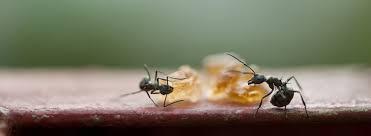
Ants are among the most common household pests, notorious for their tenacity and ability to infiltrate homes. They often march in unison, forming trails that lead to food sources, and their presence can quickly escalate from a minor nuisance to a major infestation. Understanding why ants invade homes and how they thrive is the first step to effectively addressing the problem.
Most ants enter homes in search of food and water. Kitchens, pantries, and areas where crumbs or spills are common are particularly vulnerable. Even the smallest gap in a doorframe or a crack in the wall can serve as an entry point for these persistent invaders. While ants are generally harmless to humans, certain species, such as carpenter ants, can cause structural damage, while others, like fire ants, can deliver painful bites.
Identifying Different Ant Species
The ability to identify the type of ant invading your home is crucial for effective pest control. Some of the most common species include:
-
Carpenter Ants: These ants are large and can cause significant damage by hollowing out wood to build their nests.
-
Odorous House Ants: Known for the foul smell they emit when crushed, these ants are attracted to sugary foods.
-
Pavement Ants: Frequently found in cracks of pavement, they often invade homes in search of food.
-
Fire Ants: These aggressive ants can deliver painful stings, making them particularly problematic in outdoor settings.
Each species has unique behaviors and nesting habits, requiring tailored approaches to eradication. Misidentifying the ant species can lead to ineffective treatments and prolonged infestations.
The Importance of Targeting the Queen
When dealing with an ant infestation, many homeowners focus on eliminating visible ants. While this approach can temporarily reduce their numbers, it fails to address the root of the problem: the queen. The queen ant is the heart of the colony, responsible for laying eggs and sustaining the population. If the queen remains alive, the colony will continue to thrive and reproduce.
The most effective ant control strategies target the queen directly. This often involves the use of baiting systems that worker ants carry back to the nest, unknowingly delivering poison to the queen. By eliminating the queen, you can disrupt the reproductive cycle and eradicate the colony at its source.
Strategies for Effective Ant Control
There are several methods for controlling ant infestations, ranging from DIY solutions to professional pest control services. Here are some common approaches:
-
Prevention: Seal cracks and crevices, clean up spills promptly, and store food in airtight containers to minimize attractants.
-
Natural Remedies: Substances like diatomaceous earth, vinegar, and essential oils can deter ants without the use of chemicals.
-
Chemical Treatments: Insecticidal sprays and baits can be effective, but they must be used cautiously to avoid harm to pets and children.
-
Professional Services: For severe infestations, hiring a pest control expert is often the most effective solution. Professionals have access to advanced tools and techniques that can target the root of the problem.
Ants exterminator queens are particularly effective at addressing infestations by focusing on the reproductive hub of the colony. By eliminating the queen, these exterminators ensure that the infestation is resolved permanently.
The Role of Professional Pest Control Services
When DIY methods fall short, professional pest control services become invaluable. Experts in pest control can accurately identify the species of ant, determine the extent of the infestation, and implement targeted strategies for eradication. They also provide guidance on preventive measures to avoid future infestations.
Brooklyn residents, for instance, face unique challenges due to the densely populated urban environment, which provides ample food and nesting opportunities for ants. Engaging the services of a Brooklyn pest control exterminator can make a significant difference in managing persistent infestations.
Preventive Measures to Keep Ants Away
Prevention is always better than cure, and there are several steps homeowners can take to make their properties less attractive to ants:
-
Maintain Cleanliness: Regularly clean floors, countertops, and other surfaces to remove food residues.
-
Seal Entry Points: Use caulk to close gaps in windows, doors, and walls.
-
Eliminate Moisture: Fix leaky pipes and ensure proper ventilation to reduce damp areas where ants may thrive.
-
Store Food Properly: Keep food in sealed containers and dispose of trash regularly.
By implementing these measures, you can significantly reduce the likelihood of an ant infestation and maintain a pest-free home.
The Science Behind Ant Behavior
Understanding ant behavior is key to effective control. Ants are social insects that communicate through pheromones, leaving chemical trails to guide others to food sources. This behavior explains why ants often appear in long lines, marching toward a common destination.
Ants also have a caste system, with workers, soldiers, and a queen fulfilling specific roles within the colony. The workers are responsible for foraging and caring for the young, while the queen focuses solely on reproduction. Disrupting this structure, particularly by targeting the queen, is essential for successful extermination.
Long-Term Solutions for Ant Control
While immediate measures can address the current infestation, long-term solutions are necessary to prevent recurrence. These include:
-
Regular Inspections: Periodically check for signs of ant activity, such as trails or nests.
-
Integrated Pest Management (IPM): Combine multiple methods, including chemical, physical, and biological controls, for comprehensive management.
-
Education: Stay informed about the habits and behaviors of ants to better anticipate and address potential problems.
By adopting a proactive approach, homeowners can achieve lasting control over ant infestations and maintain a comfortable living environment.
Conclusion
Ant infestations are a common yet manageable problem for homeowners. By understanding the habits and behaviors of ants, targeting the queen, and implementing effective control strategies, you can eliminate these persistent pests and prevent their return. Whether you choose DIY methods or professional services, the key to success lies in a thorough and informed approach. With diligence and the right tools, you can reclaim your home from these unwelcome invaders and enjoy a pest-free space.

 English
 Arabic
 Français
 Español
 Português
 Deutsch
 Dutch
Dutch
 Italiano
 Russian
 Romaian