


Sustainable Food Packaging with Tin Containers
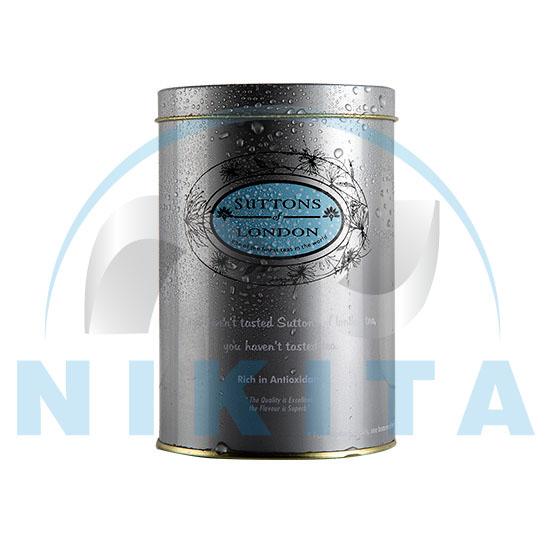
As sustainability continues to be a driving force in consumer preferences and business practices, food packaging is undergoing a significant transformation. One packaging material that stands out as a sustainable option is tin. Tin containers for food packaging are gaining traction due to their eco-friendly properties, durability, and long-term sustainability. In this blog, we’ll explore how tin containers are contributing to the growing demand for sustainable food packaging and why they are considered one of the best solutions for reducing environmental impact.
1. Recyclability of Tin Containers
One of the main reasons why tin containers for food packaging are a sustainable choice is their recyclability. Tin is a highly recyclable material, and unlike plastics that often end up in landfills or oceans, tin can be recycled indefinitely without degrading in quality. This means that once a tin container has been used and disposed of, it can be melted down and repurposed into new products, including more food packaging.
This ability to be recycled repeatedly makes tin an excellent alternative to single-use plastic, which has a much lower recycling rate and can take hundreds of years to break down in the environment. By using tin containers, food brands can contribute to a circular economy where materials are reused and waste is minimized, making it an ideal choice for those looking to reduce their environmental footprint.
2. Reducing Plastic Waste with Tin Packaging
Plastic waste has become one of the most significant environmental challenges of the modern age. According to global statistics, a large percentage of plastic waste comes from packaging, much of which ends up in landfills or polluting natural environments. The food industry, which is one of the largest producers of packaging waste, is facing increasing pressure to adopt more sustainable practices.
Tin containers provide a viable alternative to plastic packaging. By switching from plastic to tin, food brands can significantly reduce their reliance on single-use plastic containers. This shift is crucial in helping combat plastic pollution and reduce the environmental damage caused by plastic waste. The use of tin as a food packaging material aligns with global efforts to phase out plastic and adopt more sustainable, reusable alternatives.
3. Long Shelf Life and Freshness Preservation
One of the challenges of sustainable food packaging is ensuring that products stay fresh while maintaining environmental responsibility. Tin containers excel in this area by providing superior protection against moisture, air, and light, all of which can degrade food quality. Unlike plastic containers that can break down over time or become less effective at sealing, tin containers offer an airtight seal that preserves the freshness, flavor, and nutritional value of food.
By using tin containers, businesses can extend the shelf life of their products, reducing food waste and the environmental impact associated with discarded, spoiled food. This freshness retention also benefits consumers, as they are able to enjoy products that have been preserved in eco-friendly packaging, ultimately contributing to the reduction of food waste at the consumer level.
4. Energy Efficiency in Manufacturing
The process of manufacturing tin containers for food packaging is more energy-efficient than many other types of packaging materials. The production of tin involves less energy compared to the manufacturing of certain plastics or glass containers, which require higher temperatures and more complex processes. Additionally, the durability of tin containers means that they do not need to be replaced as often as less durable packaging, reducing the need for additional resources in production.
Tin's efficiency in both manufacturing and reuse helps minimize the overall energy consumption and resource depletion associated with food packaging. Brands committed to sustainability can benefit from using tin containers as part of their strategy to reduce their carbon footprint and contribute to more eco-friendly production practices.
5. Reducing the Need for Excess Packaging
Sustainable packaging isn't just about the materials used; it's also about the quantity of packaging needed. Tin containers for food packaging are durable and protective, which means that they can help reduce the need for excessive layers of packaging. For example, food items packaged in tin containers may not require additional plastic wraps, inner bags, or other protective layers that are typically used in plastic or cardboard packaging.
By reducing the need for multiple layers of packaging, food brands can minimize material waste and lower their environmental impact. Tin's strength and ability to protect food without the need for extra packaging layers contribute to a more streamlined and sustainable packaging solution.
6. The Impact of Tin Containers on Consumer Behavior
Today’s consumers are more environmentally conscious than ever before. They are actively seeking brands that align with their values and make sustainable choices. The use of tin containers for food packaging can help businesses appeal to this eco-conscious demographic, which is becoming a dominant force in the marketplace.
By choosing tin containers, food brands not only reduce their environmental footprint but also send a strong message to consumers that they care about sustainability. This commitment to eco-friendly packaging can increase consumer loyalty and attract new customers who are prioritizing environmentally responsible products. The perception of a brand as sustainable and responsible can have a positive impact on sales and brand reputation.
7. Tin’s Durability and Reusability
Another aspect of sustainability is the ability to reuse packaging. Tin containers for food packaging are durable and built to last, which makes them suitable for reuse by consumers. Many people choose to repurpose tin containers for storage or decorative purposes, giving them a second life long after the food has been consumed.
This reusability reduces the need for new packaging materials and contributes to less waste overall. When consumers keep and reuse tin containers, they help reduce the demand for single-use packaging and further promote a circular economy. By creating packaging that serves multiple purposes, tin containers offer a long-term sustainable solution that benefits both consumers and the environment.
8. Supporting the Circular Economy
The concept of a circular economy, where resources are continually reused, is central to sustainable packaging practices. Tin containers for food packaging are inherently suited to this model because they can be recycled endlessly without losing their quality or functionality. Once a tin container has been used, it can be recycled and transformed into new tin products, including more food packaging, which can then be reused again.
This ability to continuously circulate materials within the economy is a key principle of sustainability. As businesses and consumers become more focused on minimizing waste and reducing the environmental impact of packaging, the use of tin containers supports this shift toward a circular economy and sustainable consumption.
9. The Role of Tin in Meeting Regulatory Standards
As governments around the world implement stricter regulations on packaging waste and sustainability, businesses are under increasing pressure to comply with environmental standards. Tin containers for food packaging offer a way to meet these regulatory requirements while still delivering high-quality packaging. Tin is a fully recyclable material, and many jurisdictions are encouraging the use of packaging that supports recycling and reduces landfill waste.
By choosing tin containers, businesses can stay ahead of regulatory changes and demonstrate their commitment to sustainable practices. This proactive approach not only ensures compliance but also helps companies build trust with consumers and stakeholders who value sustainability.
Conclusion
Sustainable food packaging is no longer a passing trend; it’s a necessity for businesses that want to remain relevant in an increasingly eco-conscious marketplace. Tin containers for food packaging offer a sustainable solution that addresses several key environmental challenges, including recyclability, waste reduction, and resource efficiency. By choosing tin containers, food brands can contribute to a circular economy, reduce their environmental footprint, and meet the growing demand for eco-friendly packaging.
As consumers continue to prioritize sustainability, food brands that embrace tin packaging will not only be doing their part for the environment but also positioning themselves as leaders in the movement toward a more sustainable future. With their durability, versatility, and recyclability, tin containers are undoubtedly a key player in the future of sustainable food packaging.

 Arabic
 Français
 Español
 Português
 Deutsch
 Türkçe
 Dutch
Dutch
 Italiano
 Russian
 Romaian