


How to Test a Run Capacitor With a Multimeter: A Simple Guide
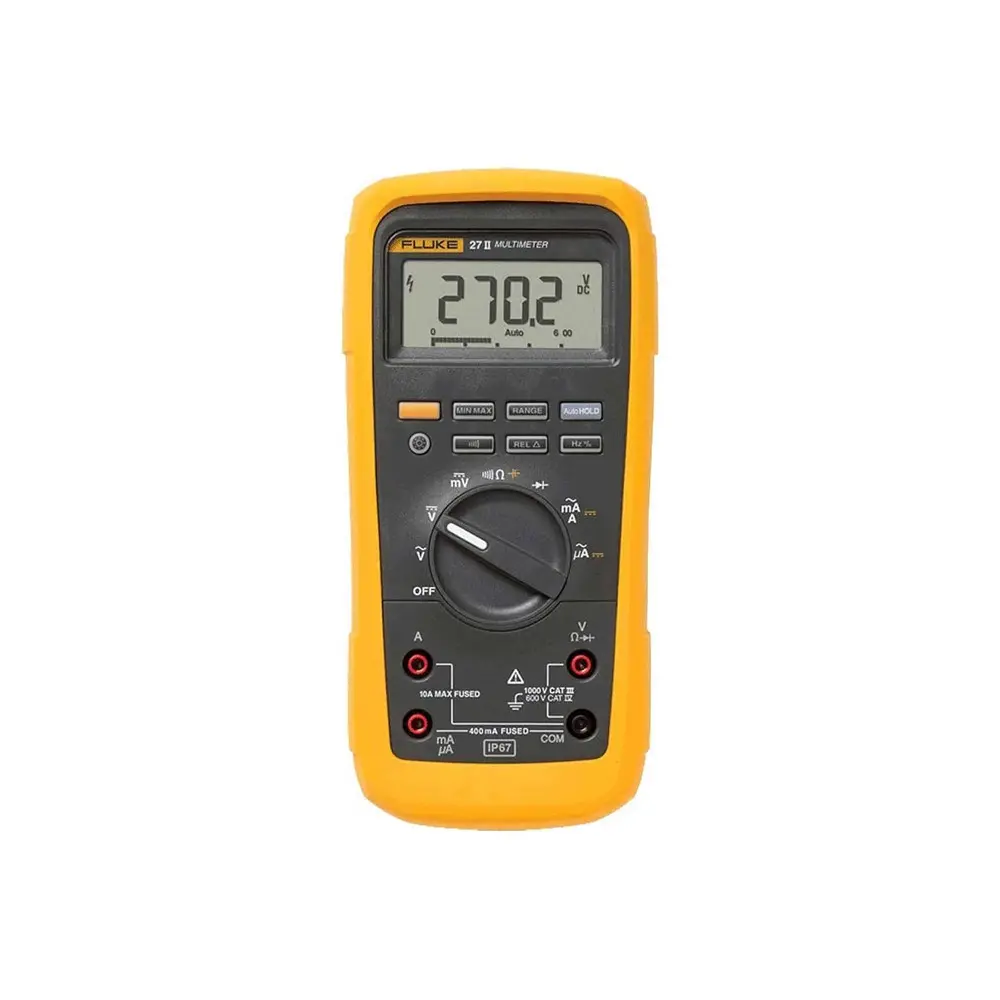
If your air conditioner, refrigerator, or other motor-driven appliance isn’t working as expected, a faulty run capacitor could be the culprit. But don’t worry! You don’t need to be an electrical engineer to test it. With just a multimeter and a little patience, you can check whether your run capacitor is in good shape or needs a replacement. Let’s dive in!
What is a Run Capacitor, and Why is It Important?
A run capacitor is a small but crucial component that helps electric motors run smoothly. It provides a continuous voltage boost, keeping the motor efficient and preventing it from overheating. If your appliance is humming but not starting or running weakly, the capacitor might be faulty.
Tools You’ll Need
-
A digital multimeter with a capacitance testing function (or an analog one if that’s what you have)
-
Insulated screwdriver (for safety)
-
Safety gloves (optional but recommended)
Step-by-Step Guide to Testing a Run Capacitor
Step 1: Safety First
Before doing anything, unplug the appliance or switch off the circuit breaker. Capacitors store electrical charge even after power is off, so handle them with care.
Step 2: Discharge the Capacitor
Use an insulated screwdriver to short the capacitor’s terminals. Simply touch both terminals simultaneously with the metal part of the screwdriver. You might hear a small pop—this is normal. (Be careful with high-voltage capacitors, as they require proper discharge techniques.)
Step 3: Remove the Capacitor
Carefully detach the capacitor from the motor. It’s usually held in place by clips or screws. Take a picture of the wiring before removing it so you can reinstall it correctly.
Step 4: Set Your Multimeter
-
If using a digital multimeter with capacitance mode, set it to the capacitance (µF) setting.
-
If using an analog multimeter, set it to the ohms (Ω) setting.
Step 5: Test the Capacitor
-
For a digital multimeter: Connect the probes to the capacitor terminals (polarity doesn’t matter). The display should show a reading close to the capacitor’s rated capacitance (e.g., 40µF if it’s a 40µF capacitor). If the reading is significantly lower or shows zero, the capacitor is bad.
-
For an analog multimeter: Touch the probes to the terminals. The needle should jump and then slowly return to infinity. If there’s no movement, the capacitor is dead.
Step 6: Interpret the Results
-
Good capacitor: The reading is close to the rated capacitance.
-
Weak capacitor: The reading is much lower than expected.
-
Bad capacitor: No reading, zero, or infinite resistance.
When to Replace a Run Capacitor
If your capacitor is weak or bad, it’s best to replace it. Choose one with the same capacitance rating (µF) and an equal or higher voltage rating.
Final Thoughts
Testing a run capacitor with a multimeter is a simple and useful skill that can save you time and money. If you’re unsure or uncomfortable handling electrical components, don’t hesitate to call a professional.

 English
 Arabic
 Français
 Español
 Português
 Deutsch
 Türkçe
 Dutch
Dutch
 Italiano
 Romaian