


How Professional Rug Cleaners Revive Rugs Damaged by Water
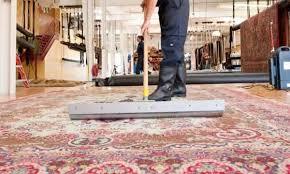
Water damage can be a nightmare for any homeowner, especially when it affects your valuable rugs. Whether it’s from a burst pipe, a flood, or an accidental spill, water can leave rugs stained, musty, and structurally damaged. The good news is that professional area rug cleaners in Brooklyn have the knowledge, tools, and techniques to restore water-damaged rugs and bring them back to life. In this article, we’ll explore how professionals clean and revive rugs that have suffered water damage, why their methods work, and how you can protect your rugs from future issues.
Why Water Damage is Harmful to Rugs
Rugs are highly absorbent, which makes them vulnerable to water damage. When a rug gets wet, the fibers soak up the moisture, leading to a range of problems, including:
-
Mold and Mildew Growth – Damp environments create the perfect breeding ground for mold and mildew, which can give off a foul smell and damage the rug fibers.
-
Color Bleeding and Fading – Water can cause the dyes in the rug to bleed or fade, ruining the rug’s original look.
-
Fiber Weakening – Prolonged exposure to water can weaken the rug’s structure, making it more prone to tears and fraying.
-
Shrinkage and Wrinkling – Some rugs, especially those made from wool or natural fibers, can shrink or warp when exposed to water.
Common Causes of Water Damage to Rugs
Water damage can happen suddenly or gradually. Here are some of the most common causes:
1. Flooding and Heavy Rain
If your home experiences flooding due to storms or poor drainage, rugs on the floor are often the first items affected.
2. Leaking Pipes and Plumbing Issues
A slow leak under the sink or a burst pipe can soak into your rug before you even notice the problem.
3. Spills and Accidents
Spilled drinks, pet accidents, and even overwatering plants can lead to water damage if not cleaned up quickly.
4. Improper Cleaning Methods
Using too much water or failing to dry a rug properly after cleaning can cause moisture to linger, leading to mold and mildew growth.
Signs of Water Damage in Rugs
It’s not always obvious when a rug has water damage. Here are some signs to watch for:
-
Damp or Musty Smell – A lingering odor usually means that mold or mildew has started to grow.
-
Discoloration – Stains, fading, or dark patches can indicate water damage.
-
Texture Changes – A stiff, rough, or shrunken rug suggests that the fibers have been damaged.
-
Visible Mold or Mildew – Green or black patches on the back or front of the rug are signs of mold growth.
If you notice any of these signs, it’s time to call a professional.
How Professional Rug Cleaners Restore Water-Damaged Rugs
Restoring a water-damaged rug is not as simple as drying it out. Professional rug cleaners use a detailed, multi-step process to ensure the rug is properly cleaned and preserved.
1. Inspection and Damage Assessment
The first step is a thorough inspection. Professionals assess:
-
The type of rug material (wool, silk, cotton, synthetic)
-
The severity of the water damage
-
Signs of mold, mildew, or color bleeding
This helps them decide the best cleaning method for the specific rug type.
2. Removing Excess Water
Professionals use industrial-grade extractors to remove as much water as possible from the rug. They avoid twisting or wringing the rug to prevent further fiber damage. Techniques include:
-
Vacuum extraction – High-powered suction to pull out moisture
-
Blotting – Gentle blotting with absorbent materials to soak up excess water
3. Deep Cleaning and Sanitizing
After the rug is mostly dry, it’s time to clean and disinfect it:
-
Submersion Cleaning – For some rugs, professionals soak them in a specialized solution to lift dirt and bacteria.
-
Steam Cleaning – High-temperature steam helps kill mold spores and bacteria while removing dirt.
-
Hand Cleaning – For delicate or antique rugs, professionals may use soft brushes and mild cleaners to avoid damage.
They use pH-balanced and rug-safe detergents to prevent color bleeding and fiber damage.
4. Mold and Mildew Treatment
If mold or mildew is present, professionals apply antimicrobial treatments to eliminate it and prevent future growth.
-
Special solutions target mold spores without damaging the rug fibers.
-
Air movers and dehumidifiers help create a dry environment to stop further mold growth.
5. Drying and Dehumidifying
Drying is one of the most important steps in rug restoration:
-
Rugs are placed in a temperature-controlled room.
-
Industrial air movers and dehumidifiers are used to speed up the drying process.
-
Rugs are flipped periodically to ensure even drying.
Slow and controlled drying prevents shrinking, wrinkling, and fiber damage.
6. Restoring Shape and Texture
Water can cause rugs to lose their shape. Professional rug cleaning Brooklyn services use specialized equipment to restore the rug’s original form:
-
Blocking – Stretching the rug into its original dimensions
-
Brushing and Grooming – Brushing fibers to restore softness and texture
-
Pile Lifting – Raising the fibers to make the rug look full and even
7. Final Inspection and Protection
Before returning the rug, professionals do a final inspection to check for:
-
Complete stain removal
-
Color consistency
-
Proper texture and softness
They may also apply a protective treatment to guard against future stains and water damage.
Why Professional Rug Cleaning Works Better Than DIY
You might be tempted to clean a water-damaged rug yourself, but professional cleaners have several advantages:
Specialized Equipment – Professionals use high-powered machines that remove more water and dirt than regular home vacuums.
Safe Cleaning Products – Home detergents can damage rug fibers and cause color fading. Professionals use pH-balanced solutions that are safe for different materials.
Expert Knowledge – Professionals understand how different rug types react to water and know the safest cleaning methods.
Mold and Mildew Prevention – Proper drying and treatment stop mold and mildew from returning.
How to Protect Your Rugs from Water Damage
Prevention is always better than repair. Here are some simple ways to protect your rugs:
1. Use a Rug Pad
A quality rug pad helps lift the rug off the floor, allowing air circulation and preventing moisture buildup.
2. Keep Rugs Away from Water Sources
Avoid placing rugs near sinks, windows, and doors where water exposure is more likely.
3. Clean Up Spills Quickly
Blot spills immediately with a dry cloth. Avoid rubbing, as it can push the liquid deeper into the fibers.
4. Schedule Regular Professional Cleanings
Having your rugs professionally cleaned once or twice a year helps maintain their look and prevents mold growth.
Conclusion
Water damage doesn’t have to mean the end of your favorite rug. Professional rug cleaners in Brooklyn have the skills and tools to revive even severely damaged rugs. From removing water and stains to treating mold and restoring shape, experts know how to handle it all. By acting quickly and relying on professional care, you can keep your rugs looking fresh and beautiful for years to come.
FAQs
1. How quickly should I call a professional after water damage?
You should contact a professional within 24 to 48 hours to prevent mold growth and permanent damage.
2. Can professional cleaners remove mold from rugs?
Yes, professional cleaners use antimicrobial treatments and deep cleaning methods to eliminate mold and mildew.
3. Is steam cleaning safe for all rugs?
No, steam cleaning is suitable for synthetic and some wool rugs but may damage delicate rugs like silk or antique ones.
4. Can water stains be removed from rugs?
Yes, professional cleaners have stain-lifting techniques that can remove most water stains.
5. How often should I have my rugs professionally cleaned?
For high-traffic areas, clean rugs every 6–12 months. For low-traffic areas, once a year is usually enough.
 Deutsch
 English
 Arabic
 Français
 Español
 Português
 Türkçe
 Dutch
Dutch
 Italiano
 Russian
 Romaian