


The Science Behind Chemical Peels: How They Work
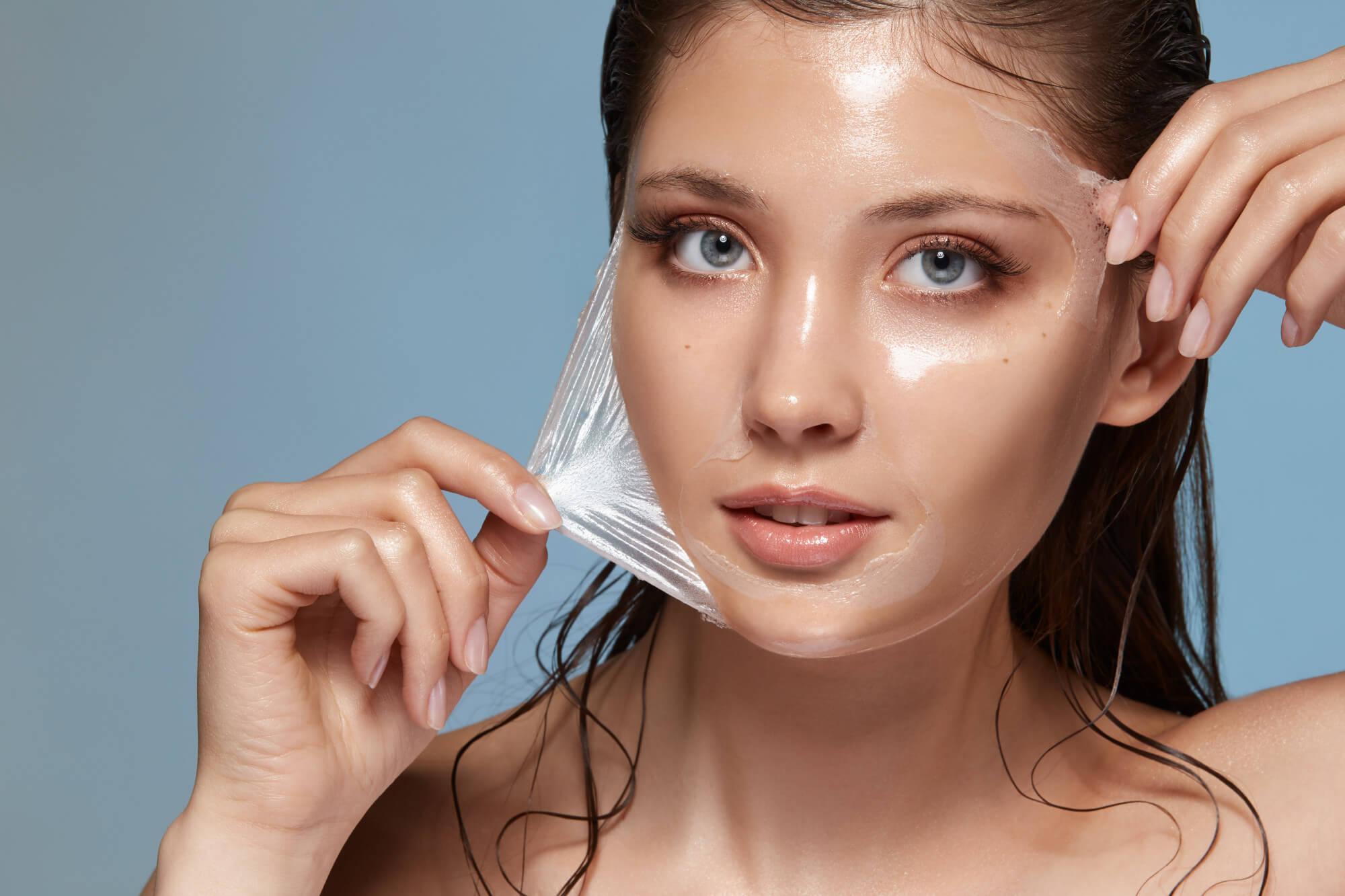
When it comes to achieving radiant, youthful skin, chemical peels have become a go-to solution for many. Whether you’re curious about the Chemical Peels Cost in Dubai or simply want to understand how this transformative treatment works, the science behind it is both fascinating and empowering. Chemical peels aren’t just about surface-level beauty—they dive deep into the skin’s layers, triggering natural processes that rejuvenate and repair. Let’s peel back the layers (pun intended) and explore how this skincare marvel actually works.
What Are Chemical Peels?
At their core, chemical peels are treatments that use a carefully formulated solution—typically made of acids—to exfoliate the skin. These acids work by removing dead skin cells, unclogging pores, and encouraging new cell growth. The result? A smoother, brighter complexion that tackles everything from acne scars to fine lines. But what makes chemical peels so effective isn’t just the ingredients—it’s how they interact with your skin’s biology.
There are three main types of chemical peels: superficial, medium, and deep. Each type penetrates a different level of the skin, depending on the strength of the acid and the desired outcome. Superficial peels use mild acids like alpha-hydroxy acid (AHA) to gently exfoliate the outer layer, while medium and deep peels, often with trichloroacetic acid (TCA) or phenol, target deeper layers for more dramatic results.
The Science: How Chemical Peels Transform Your Skin
The magic of chemical peels lies in their ability to harness controlled damage—yes, damage—to kickstart your skin’s healing process. Here’s a step-by-step breakdown of what happens when that solution touches your face:
- Exfoliation of the Epidermis
The outermost layer of your skin, the epidermis, is made up of dead skin cells that can dull your complexion and clog pores. When the chemical solution is applied, it breaks the bonds holding these cells together. Think of it like loosening the glue on a sticker—once those bonds dissolve, the dead skin sloughs off, revealing the fresher, healthier layer underneath. - Stimulation of Cell Turnover
Beneath the epidermis lies the dermis, where the real action happens. By removing the top layer, chemical peels signal your skin to speed up cell turnover. This process ramps up collagen and elastin production—two proteins that keep your skin firm, plump, and youthful. Over time, this increased activity smooths out wrinkles, fades hyperpigmentation, and evens your skin tone. - Controlled Inflammation
It might sound counterintuitive, but a little inflammation can be a good thing. Chemical peels create a mild, controlled injury to the skin, which triggers your body’s repair mechanisms. Blood flow increases, delivering oxygen and nutrients to the area, while your skin works overtime to heal itself. This is why you might notice redness or peeling post-treatment—it’s your skin rebuilding itself stronger than before. - Targeting Specific Concerns
Different acids target different issues. For example, salicylic acid, a beta-hydroxy acid (BHA), is oil-soluble, making it a powerhouse for acne-prone skin as it dives into pores to clear out oil and debris. Glycolic acid, an AHA, is a hydration hero that tackles fine lines and uneven texture. The beauty of chemical peels is their versatility—there’s a formula for nearly every skin concern.
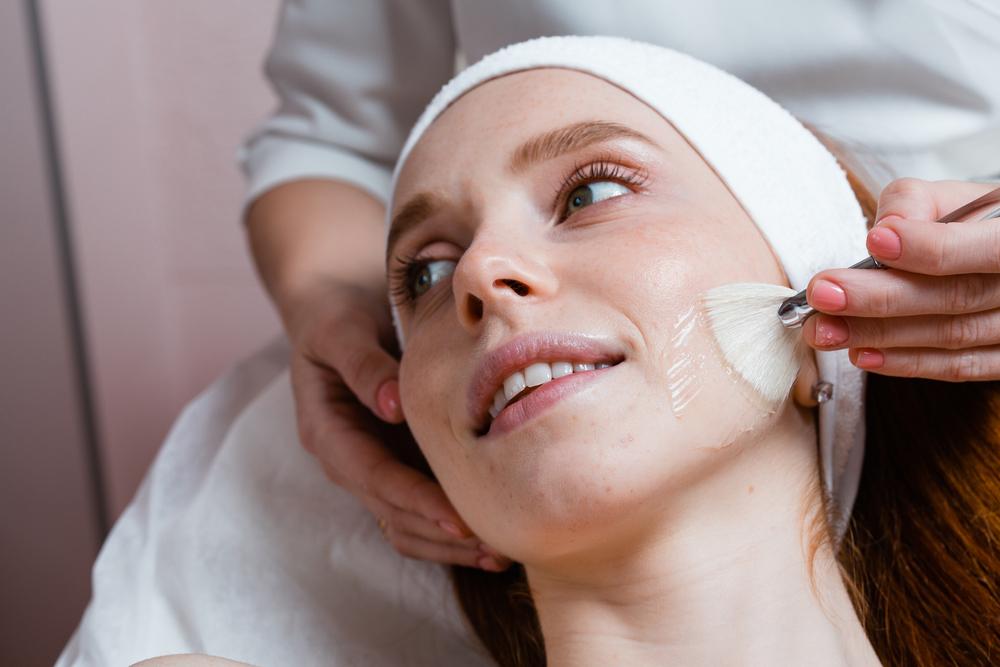
Why Your Skin Loves the Aftermath
Post-peel, your skin doesn’t just look better—it feels better. By shedding the damaged outer layer, Chemical Peel Dubai improve your skin’s barrier function, allowing it to retain moisture more effectively. They also enhance the absorption of skincare products, meaning your serums and moisturizers work harder for you. It’s like hitting the reset button on your complexion.
Are Chemical Peels Safe?
The science says yes—when done correctly. The key is matching the peel’s strength to your skin type and goals. Superficial peels are gentle enough for most people and require little downtime, while deeper peels might involve more recovery but deliver jaw-dropping results. Your skin’s pH balance plays a role too; the acids temporarily lower it, which is why post-peel care—like avoiding sun exposure and using soothing products—is crucial to protect your newly revealed skin.
The Takeaway: Science Meets Beauty
Chemical peels are more than a quick fix—they’re a scientifically backed way to unlock your skin’s potential. By exfoliating, stimulating, and repairing, they tap into your body’s natural processes to reveal a complexion that’s smoother, brighter, and healthier. Whether you’re battling acne scars, sun damage, or just want a glow-up, understanding how chemical peels work can help you appreciate their power. So, the next time you’re researching skincare options, remember: it’s not just about the surface—it’s about the science beneath it.

 Arabic
 Français
 Español
 Português
 Deutsch
 Türkçe
 Dutch
Dutch
 Italiano
 Russian
 Romaian