


How Do Eating Disorders Affect Mental Health?
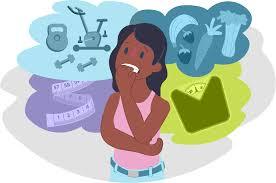
Eating disorders don’t just impact the body. They can take over the way a person thinks, feels, and relates to others. While weight loss or physical symptoms are often what people notice first, the real damage is often invisible. Many people with eating disorders are also living with depression, anxiety, and deep emotional pain that can’t be seen from the outside.
This connection between food and feelings is complex. Disordered eating isn’t just about trying to be thin or control weight. It’s often tied to stress, trauma, low self-esteem, or a need for control in a world that feels unpredictable. Once these patterns take hold, they can become hard to break—affecting a person’s mental health in ways that go far beyond mealtime.
Let’s take a closer look at how eating disorders and mental health are closely connected—and why understanding this link is a step toward real recovery.
The Emotional Impact Behind Eating Disorders
At the center of most eating disorders is emotional distress. People with conditions like anorexia, bulimia, or binge eating disorder often struggle with intense feelings they can’t express any other way. Food becomes a coping tool—something to control, avoid, or turn to for comfort.
This can lead to feelings of shame, guilt, or failure, especially when eating patterns feel out of control. Over time, these feelings can grow stronger and harder to manage. For example, someone with anorexia may feel powerful when they restrict food, but also isolated or fearful. Someone with bulimia may feel temporary relief after purging but later feel overwhelmed by guilt or anxiety.
These emotional ups and downs can become exhausting, feeding into mental health issues like:
-
Anxiety: Constant worry about food, weight, or body image becomes part of daily life.
-
Depression: Feelings of hopelessness, sadness, or emptiness often follow cycles of bingeing or restriction.
-
Low self-worth: Many people with eating disorders tie their value to their appearance or ability to control their eating.
How Eating Disorders Disrupt Thinking
Eating disorders can change the way a person thinks. Obsessive thoughts about calories, portion sizes, or body shape can crowd out everything else. It can become hard to focus on school, work, or relationships. Decisions get filtered through a lens of control, fear, or comparison.
This shift in thinking can lead to black-and-white beliefs like:
-
"If I eat this, I’ve failed."
-
"If I’m not thin, I’m not lovable."
-
"If I lose control, I’ll never stop."
These types of thoughts can be deeply damaging. They create a mental world where mistakes feel unforgivable, and food becomes a threat instead of a source of nourishment. Over time, this mindset can increase anxiety and reduce the ability to trust one's own judgment or body.
The Social Toll of Eating Disorders
Mental health doesn’t exist in a vacuum. Relationships play a huge role in how we feel day to day. But eating disorders often cause people to withdraw from friends and family. Mealtimes become stressful. Social outings may be avoided. Loved ones may not understand what’s going on.
This isolation can make mental health worse. It removes support and connection—two things that are vital to healing. It also increases the sense of being “different” or misunderstood, which adds to the shame many people with eating disorders already feel.
On the outside, someone may appear high-functioning, but inside they might be battling loneliness, panic, or self-judgment. Without support, these feelings can spiral into deeper emotional pain.
Eating Disorders and Co-Occurring Mental Health Conditions
It’s very common for eating disorders to show up alongside other mental health issues. Sometimes, the eating disorder develops first. Other times, anxiety, trauma, or depression come first and contribute to the eating disorder.
Here are some common overlaps:
-
Anxiety disorders: Constant fear, perfectionism, and obsessive behaviors are often linked with eating disorders.
-
Depression: Feelings of worthlessness, hopelessness, and disconnection from life can both cause and result from disordered eating.
-
Obsessive-Compulsive Disorder (OCD): Some people have strict rituals around food, movement, or body checking that overlap with OCD symptoms.
-
Post-Traumatic Stress Disorder (PTSD): Trauma—especially in childhood—can be a major trigger for disordered eating, as a way to cope or feel safe.
These mental health conditions don’t just stack on top of each other. They often feed into one another, making the situation more complex and harder to treat if not addressed together.
Physical and Mental Health Go Hand in Hand
When the body is starved, overloaded, or caught in cycles of purging, it affects the brain too. Malnutrition can lead to foggy thinking, poor memory, irritability, and low energy. The brain needs nutrients to regulate mood, sleep, and thought patterns.
Even after some physical health is restored, the mental health effects of an eating disorder can linger. That’s why treatment needs to support both the mind and body—not just focus on weight or eating habits. Real recovery means working through the underlying emotional struggles, not just changing food behavior.
Recovery and Mental Health Support
Getting help for an eating disorder can feel scary. But with the right support, healing is possible. That support often includes:
-
Therapy: Cognitive Behavioral Therapy (CBT), Dialectical Behavior Therapy (DBT), and trauma-focused therapy can help people understand their thoughts and develop new coping tools.
-
Nutrition counseling: Working with a registered dietitian can rebuild a healthier relationship with food.
-
Medical support: Doctors help manage the physical effects and track health as recovery begins.
-
Support groups: Talking with others who understand can reduce shame and increase hope.
One of the biggest steps in recovery is learning to separate identity from the eating disorder. That means discovering self-worth beyond appearance, performance, or control. It also means learning to face emotions directly instead of numbing them through food behaviors.
Why Understanding This Link Matters
Many people don’t realize that eating disorders are about far more than food. They often go undetected because the signs can be hidden behind high achievement, politeness, or quiet suffering. But mental health is deeply affected—sometimes even more than physical health.
The emotional weight of an eating disorder can be just as serious as the physical toll. That’s why awareness matters. The more we understand these disorders, the better we can support others—or get help ourselves.
You don’t have to figure it all out alone. With patience, the right treatment, and consistent emotional support, recovery is possible. And that includes building a stronger, more stable mind—not just a healthier body.
Final Thought
If you're struggling with an eating disorder or supporting someone who is, the most helpful step you can take is to start a conversation. Real healing begins with honesty, connection, and the belief that change is possible. Mental health and food struggles are deeply connected, but they don’t have to define a person’s future.

 English
 Arabic
 Français
 Español
 Português
 Deutsch
 Dutch
Dutch
 Italiano
 Russian
 Romaian