


How Exosomes Are Revolutionizing Drug Delivery?
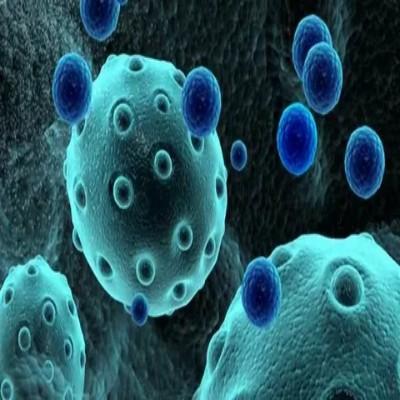
Exosomes are nano-sized vesicles that originate from multivesicular bodies and serve as messengers between cells. They play crucial roles in immune modulation, neurodegenerative diseases, and regenerative medicine. Researchers are exploring their potential in diagnostics and drug delivery, especially in cancer and neurological disorders.
Structure and Biogenesis
Exosomes are typically 30–150 nanometers in diameter and originate from the endosomal system. Their formation begins with the inward budding of the cell membrane, creating early endosomes. These structures mature into late endosomes, where intraluminal vesicles (ILVs) form within multivesicular bodies (MVBs). Upon fusion of MVBs with the plasma membrane, ILVs are released as exosomes into the extracellular space. These vesicles are rich in specific surface markers such as CD9, CD63, and CD81, which help in their identification.
Functions of Exosomes
Exosomes serve as key mediators in cell communication. Their cargo—comprising nucleic acids, proteins, and lipids—affects various biological processes, including:
Immune Modulation: Exosomes influence immune responses by delivering antigens and cytokines to immune cells, enhancing or suppressing immune activity.
Cancer Progression: Tumor-derived exosomes contribute to cancer metastasis by promoting angiogenesis, immune evasion, and the establishment of a pre-metastatic niche.
Neurodegenerative Diseases: Exosomes are implicated in the spread of misfolded proteins in conditions like Alzheimer’s and Parkinson’s disease.
Tissue Repair and Regeneration: Exosomes derived from stem cells have been explored for their regenerative potential in conditions like cardiac and musculoskeletal injuries.
Therapeutic Applications
The potential of exosomes in medicine extends beyond diagnosis. Scientists are exploring ways to engineer exosomes for targeted drug delivery. Their natural biocompatibility and ability to cross biological barriers, such as the blood-brain barrier, make them ideal vehicles for therapeutics. Some key areas of research include:
Cancer Therapy: Engineered exosomes loaded with chemotherapeutic drugs or small interfering RNA (siRNA) show promise in selectively targeting cancer cells while minimizing side effects.
Regenerative Medicine: Stem cell-derived exosomes are being tested for their ability to promote tissue repair in conditions such as myocardial infarction, spinal cord injury, and osteoarthritis.
Neurodegenerative Disease Treatment: Exosome-based therapies are being explored for delivering neuroprotective agents to the brain, potentially slowing disease progression.
Exosomes are no longer considered mere cellular debris but rather powerful biological messengers with immense clinical significance. Their ability to influence physiological and pathological processes has positioned them at the forefront of medical innovation. With continued research, exosome-based diagnostics and therapies could pave the way for groundbreaking advancements in precision medicine.
Get more insights on, Exosomes
Get This Report in Japanese Language: エクソソーム
Get This Report in Korean Language: 엑소좀
About Author:
Ravina Pandya, Content Writer, has a strong foothold in the market research industry. She specializes in writing well-researched articles from different industries, including food and beverages, information and technology, healthcare, chemical and materials, etc. (https://www.linkedin.com/in/ravina-pandya-1a3984191)

 English
 Arabic
 Français
 Português
 Deutsch
 Türkçe
 Dutch
Dutch
 Italiano
 Russian
 Romaian