


Common Obstetric Mistakes That Lead to Infant Injury
Bringing a new life into the world should be a joyful experience. However, when medical professionals fail to uphold their duty of care during pregnancy, labor, or delivery, the results can be devastating. Obstetric mistakes—errors made by doctors, nurses, or other healthcare providers—can lead to severe and often permanent injuries to newborns. These errors are not only traumatic for families but also legally actionable in many cases.
Infant injuries caused by obstetric negligence can range from mild bruises to lifelong disabilities such as cerebral palsy or brain damage. Understanding the most common obstetric mistakes is crucial for expecting parents and caregivers. By being informed, families can take proactive steps to advocate for safer birth experiences.
For families who suspect that medical malpractice may have played a role in their child’s injury, understanding preeclampsia risks and other complications can be an important step in determining the next course of action.
1. Failure to Monitor Fetal Distress
One of the most critical responsibilities of healthcare professionals during labor is to monitor the baby’s heart rate. This is done to detect any signs of fetal distress—an indication that the baby is not receiving enough oxygen.
Failure to notice or appropriately respond to signs of fetal distress can lead to oxygen deprivation, which may cause hypoxic-ischemic encephalopathy (HIE), a serious condition that can result in brain damage or cerebral palsy.
Fetal distress often requires immediate intervention, including changing the mother’s position, administering oxygen, or performing an emergency cesarean section. Delay in these actions can be considered a serious medical error.
2. Mismanagement of Labor and Delivery
Labor and delivery are complex processes that require careful attention. Mismanagement can occur in various forms, including failing to induce labor when medically necessary, using excessive force during delivery, or improperly using instruments like forceps or vacuum extractors.
Instrumental deliveries, while sometimes necessary, come with increased risks. Improper use can lead to skull fractures, intracranial hemorrhage, or brachial plexus injuries. The choice to proceed with a vaginal delivery when a cesarean is clearly indicated can also have disastrous consequences for the infant.
In these cases, even a moment’s hesitation or a miscalculation by the obstetrician can lead to long-term damage to the baby.
3. Delayed or Failed C-Section
Timely cesarean sections can be the difference between a healthy baby and a lifetime of medical challenges. When signs indicate that labor is not progressing, or that the baby is in distress, a prompt decision for a C-section is essential.
Delays in performing a C-section, whether due to indecision, miscommunication, or understaffing, can result in prolonged oxygen deprivation, increasing the risk of brain damage or stillbirth. In some cases, a failure to perform a C-section altogether—despite clear warning signs—can lead to severe injury.
Medical teams must be adequately trained to recognize situations where a C-section is the safest option, and they must be prepared to act immediately.
4. Misdiagnosis or Failure to Diagnose Maternal Conditions
Some maternal conditions, if left undiagnosed or untreated, can increase the risk of infant injury. Conditions such as gestational diabetes, infections, or preeclampsia require close monitoring and specialized care.
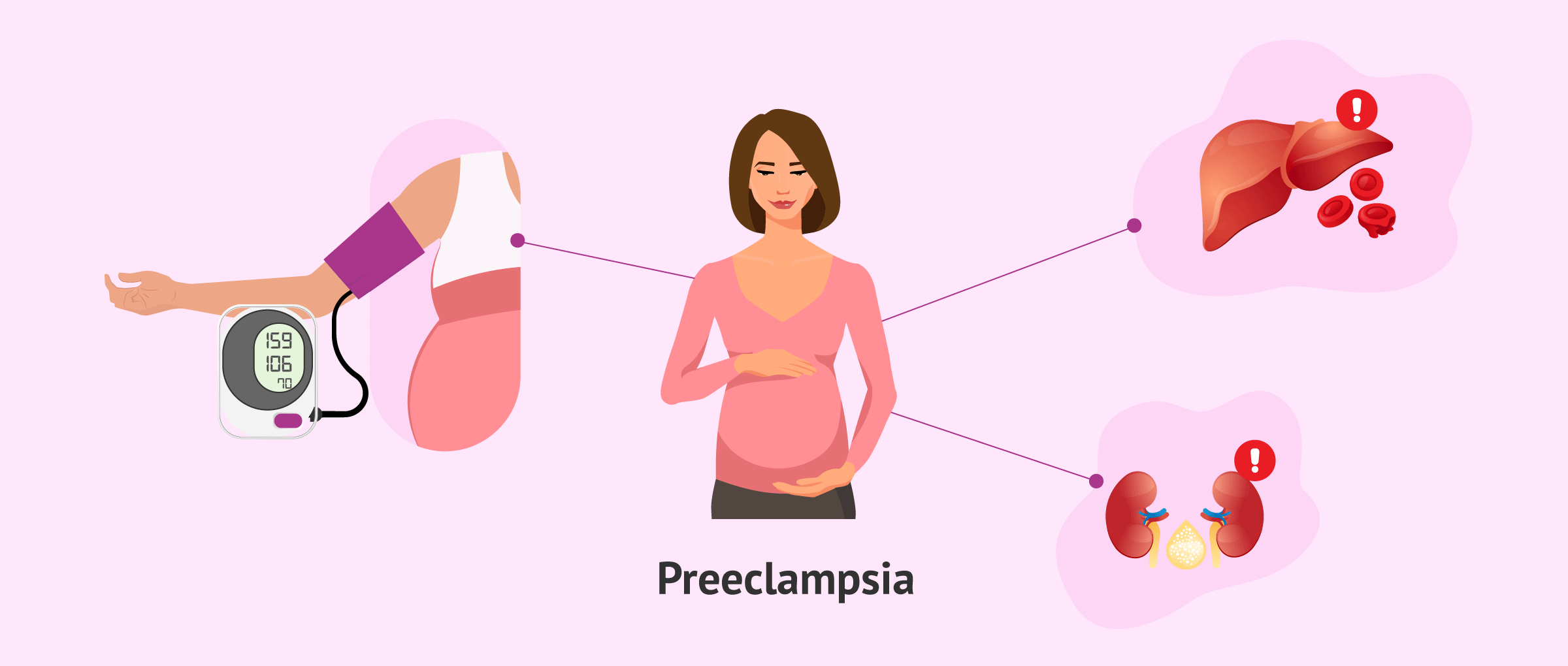
Preeclampsia, for instance, is a condition marked by high blood pressure during pregnancy and can lead to severe complications for both mother and baby. Failure to recognize or treat this condition can result in premature birth, low birth weight, or placental abruption, all of which raise the risk of infant injury. For more on this, see the detailed discussion on preeclampsia risks.
Early and accurate diagnosis is critical in managing these maternal health issues. When providers fail in this responsibility, they may be held liable for resulting harm.
5. Inadequate Prenatal Testing
Prenatal care is about more than just checkups—it's about identifying potential risks to both the mother and the child. Inadequate testing can result in missed diagnoses of congenital conditions or infections that could be treated or managed if detected early.
Some common tests include ultrasounds, blood work, and genetic screenings. If these are not performed correctly or are misinterpreted, vital signs of fetal abnormalities or maternal complications may go unnoticed.
Missing the window for treatment or planning due to insufficient prenatal testing can result in preventable birth injuries and poor outcomes.
6. Medication Errors
Another preventable yet common obstetric mistake involves the administration of incorrect medications during labor or pregnancy. Errors can include giving the wrong drug, incorrect dosages, or administering medications that are contraindicated during pregnancy.
Some medications can cause uterine contractions that stress the baby or cross the placenta and impact the developing brain. Improper administration of epidurals or anesthesia can also affect both mother and child, potentially leading to respiratory distress, seizures, or developmental issues.
Hospitals must have strict protocols for medication management, and staff must be thoroughly trained to avoid these avoidable mistakes.
7. Failure to Control Infections
Infections such as Group B Streptococcus (GBS), chorioamnionitis, or untreated sexually transmitted infections (STIs) during pregnancy can severely impact the baby if not promptly managed.
When a healthcare provider fails to screen for or treat infections, it can lead to sepsis, pneumonia, or meningitis in the newborn. In some cases, infections contracted during delivery may not present symptoms until days later, complicating both diagnosis and treatment.
Antibiotic protocols, routine screenings, and maternal education are all key components in preventing these potentially life-threatening complications.
8. Poor Communication Among Medical Team
Obstetric care often involves a team of professionals including OB-GYNs, nurses, anesthesiologists, and pediatricians. A breakdown in communication among these team members can delay critical interventions or lead to inconsistent care.
For instance, if a nurse observes signs of fetal distress but fails to communicate them to the doctor in time, that delay can have catastrophic consequences. Similarly, discrepancies in medical records or misunderstanding care plans can result in inappropriate treatment or unnecessary risk to the infant.
Improving communication systems and protocols can significantly reduce the incidence of preventable birth injuries.
9. Negligent Post-Delivery Care
The moments immediately following delivery are critical for assessing the newborn’s health. Neglecting to monitor the baby for breathing issues, signs of infection, or other complications can allow treatable conditions to worsen rapidly.
Conditions like jaundice, hypoglycemia, or respiratory distress syndrome are common in newborns but must be promptly addressed to prevent long-term damage. When post-delivery care is lacking or negligent, the newborn’s chances of a healthy recovery diminish.
Proper staffing, training, and adherence to neonatal care protocols are essential in this phase.
10. Inadequate Documentation and Record Keeping
While not a direct cause of injury, poor documentation can make it harder to respond appropriately to complications and can obscure the chain of responsibility in the event of a mistake. Accurate records help ensure continuity of care and inform treatment decisions during emergencies.
In cases where something does go wrong, detailed records can be crucial in understanding what happened and whether malpractice played a role. Lack of documentation can hinder investigations and delay justice for affected families.
The Legal and Emotional Fallout
When a baby is injured due to medical negligence, the emotional and financial toll on a family can be overwhelming. Beyond the immediate trauma, many families face long-term care needs, therapy, and additional medical expenses.
Legal action cannot undo the harm, but it can provide resources to help manage the lifelong consequences of a birth injury. It can also hold medical professionals accountable, prompting changes that may prevent similar tragedies in the future.
Parents who believe their child may have suffered an injury due to an obstetric mistake should seek legal counsel. Firms experienced in birth injury cases can help investigate medical records, consult with experts, and pursue compensation when warranted.
Conclusion
Obstetric mistakes are preventable, yet they continue to cause thousands of infant injuries each year. From failure to monitor fetal distress to mismanagement of high-risk pregnancies, the consequences can be profound and long-lasting.
Understanding the common errors that occur during childbirth is the first step in preventing them. Expecting families should feel empowered to ask questions, understand their options, and advocate for their care.
If there are signs that something went wrong, knowing your rights and the possible legal options is crucial. Resources and legal help are available for families navigating the aftermath of a birth injury. Raising awareness and demanding accountability are key to creating safer birth experiences for everyone.

 English
 Arabic
 Français
 Español
 Português
 Deutsch
 Türkçe
 Italiano
 Russian
 Romaian