


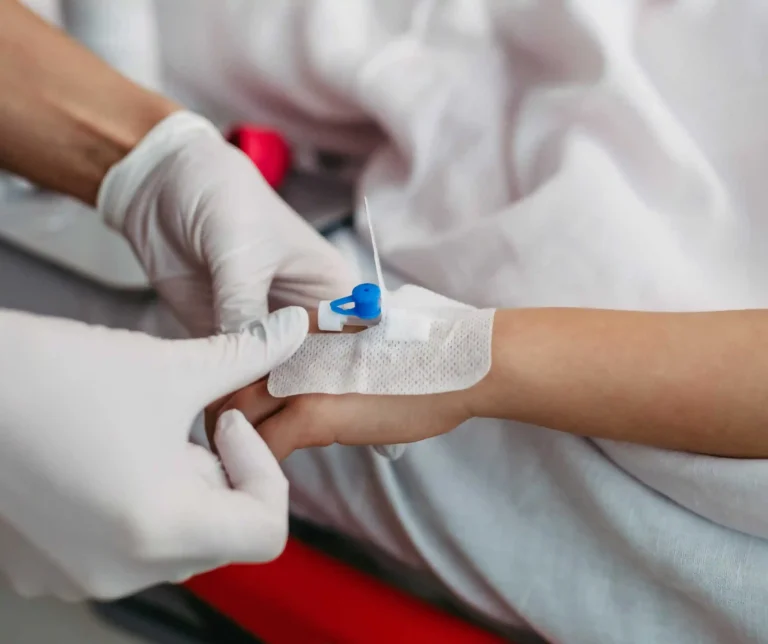
🤝 Fort Worth — this is what it looks like when gastrointestinal specialists and emergency medicine work the way they are supposed to.
Not sequentially. Not one after the other. Together. Simultaneously. From minute one. 💙
Here is why this matters — and how to recognize a facility where this collaboration actually happens:
The problem with sequential GI emergency care:
Patient arrives with severe GI bleeding → emergency physician assesses and stabilizes → emergency physician completes workup → emergency physician calls gastrointestinal specialists → specialist finishes current commitments → specialist arrives → scoping begins → hemorrhage control achieved
Each arrow in that sequence represents time. In a patient losing blood, time is blood volume. Time is hemodynamic stability. Time is survival.
The standard that serious GI emergencies actually demand:
Patient arrives with severe GI bleeding → emergency physician begins resuscitation AND simultaneously notifies GI specialist → specialist preparing scope while resuscitation continues → endoscopy begins as soon as patient is adequately stabilized → hemorrhage control achieved at the earliest possible moment
The difference between these two timelines is not organizational preference. It is clinical outcome.
How to recognize integrated GI emergency and specialist collaboration:
✅ The specialist is notified during resuscitation — not after
If a facility's protocol is "stabilize first, call the specialist when ready" — the specialist is not part of the emergency team. They are a downstream referral. For serious gastrointestinal emergencies — this is not adequate.
✅ Imaging results are shared in real time — not in a transfer summary
When the CT result confirms cholangitis, the gastroenterologist should be seeing those images simultaneously with the emergency physician — not receiving a verbal summary an hour later. Real-time information sharing is the operational foundation of genuine collaboration.
✅ Treatment decisions are made jointly at critical junctures
The decision to proceed with endoscopy in a patient who is not yet fully resuscitated. The decision to activate the surgical team in a patient with severe colitis. The decision to perform emergency ERCP in a patient with fulminant biliary sepsis. These are decisions that emergency physicians and gastrointestinal specialists make together — weighing the risk of the intervention against the risk of further delay.
✅ The specialist's preparation begins before the emergency workup is complete
In a truly integrated system, the GI specialist is getting ready — reviewing available clinical data, preparing equipment, communicating with their team — while the emergency workup is still in progress. Not waiting for a complete handoff package before engaging.
The conditions where this collaboration is non-negotiable:
🔴 Active upper GI bleeding — emergency endoscopy for hemorrhage control
🔴 Acute cholangitis — emergency ERCP for biliary decompression
🔴 Severe acute colitis — GI and surgery engaged from hour one
🔴 Esophageal foreign body — endoscopic retrieval urgency determined jointly
🔴 Acute liver failure — GI and hepatology engaged immediately
This is not the exception standard. This is what every serious gastrointestinal emergency deserves. 💙
👉 Where GI emergency medicine and gastrointestinal specialists work as one — ER of Fort Worth:
🔗 https://eroffortworthtx.com/services/gastrointestinal-emergencies
#GastrointestinalSpecialists #GastrointestinalEmergencies #GIHealth #FortWorthHealth #ERCare #FortWorthER #GIEmergency #EmergencyMedicine
Not sequentially. Not one after the other. Together. Simultaneously. From minute one. 💙
Here is why this matters — and how to recognize a facility where this collaboration actually happens:
The problem with sequential GI emergency care:
Patient arrives with severe GI bleeding → emergency physician assesses and stabilizes → emergency physician completes workup → emergency physician calls gastrointestinal specialists → specialist finishes current commitments → specialist arrives → scoping begins → hemorrhage control achieved
Each arrow in that sequence represents time. In a patient losing blood, time is blood volume. Time is hemodynamic stability. Time is survival.
The standard that serious GI emergencies actually demand:
Patient arrives with severe GI bleeding → emergency physician begins resuscitation AND simultaneously notifies GI specialist → specialist preparing scope while resuscitation continues → endoscopy begins as soon as patient is adequately stabilized → hemorrhage control achieved at the earliest possible moment
The difference between these two timelines is not organizational preference. It is clinical outcome.
How to recognize integrated GI emergency and specialist collaboration:
✅ The specialist is notified during resuscitation — not after
If a facility's protocol is "stabilize first, call the specialist when ready" — the specialist is not part of the emergency team. They are a downstream referral. For serious gastrointestinal emergencies — this is not adequate.
✅ Imaging results are shared in real time — not in a transfer summary
When the CT result confirms cholangitis, the gastroenterologist should be seeing those images simultaneously with the emergency physician — not receiving a verbal summary an hour later. Real-time information sharing is the operational foundation of genuine collaboration.
✅ Treatment decisions are made jointly at critical junctures
The decision to proceed with endoscopy in a patient who is not yet fully resuscitated. The decision to activate the surgical team in a patient with severe colitis. The decision to perform emergency ERCP in a patient with fulminant biliary sepsis. These are decisions that emergency physicians and gastrointestinal specialists make together — weighing the risk of the intervention against the risk of further delay.
✅ The specialist's preparation begins before the emergency workup is complete
In a truly integrated system, the GI specialist is getting ready — reviewing available clinical data, preparing equipment, communicating with their team — while the emergency workup is still in progress. Not waiting for a complete handoff package before engaging.
The conditions where this collaboration is non-negotiable:
🔴 Active upper GI bleeding — emergency endoscopy for hemorrhage control
🔴 Acute cholangitis — emergency ERCP for biliary decompression
🔴 Severe acute colitis — GI and surgery engaged from hour one
🔴 Esophageal foreign body — endoscopic retrieval urgency determined jointly
🔴 Acute liver failure — GI and hepatology engaged immediately
This is not the exception standard. This is what every serious gastrointestinal emergency deserves. 💙
👉 Where GI emergency medicine and gastrointestinal specialists work as one — ER of Fort Worth:
🔗 https://eroffortworthtx.com/services/gastrointestinal-emergencies
#GastrointestinalSpecialists #GastrointestinalEmergencies #GIHealth #FortWorthHealth #ERCare #FortWorthER #GIEmergency #EmergencyMedicine
🤝 Fort Worth — this is what it looks like when gastrointestinal specialists and emergency medicine work the way they are supposed to.
Not sequentially. Not one after the other. Together. Simultaneously. From minute one. 💙
Here is why this matters — and how to recognize a facility where this collaboration actually happens:
The problem with sequential GI emergency care:
Patient arrives with severe GI bleeding → emergency physician assesses and stabilizes → emergency physician completes workup → emergency physician calls gastrointestinal specialists → specialist finishes current commitments → specialist arrives → scoping begins → hemorrhage control achieved
Each arrow in that sequence represents time. In a patient losing blood, time is blood volume. Time is hemodynamic stability. Time is survival.
The standard that serious GI emergencies actually demand:
Patient arrives with severe GI bleeding → emergency physician begins resuscitation AND simultaneously notifies GI specialist → specialist preparing scope while resuscitation continues → endoscopy begins as soon as patient is adequately stabilized → hemorrhage control achieved at the earliest possible moment
The difference between these two timelines is not organizational preference. It is clinical outcome.
How to recognize integrated GI emergency and specialist collaboration:
✅ The specialist is notified during resuscitation — not after
If a facility's protocol is "stabilize first, call the specialist when ready" — the specialist is not part of the emergency team. They are a downstream referral. For serious gastrointestinal emergencies — this is not adequate.
✅ Imaging results are shared in real time — not in a transfer summary
When the CT result confirms cholangitis, the gastroenterologist should be seeing those images simultaneously with the emergency physician — not receiving a verbal summary an hour later. Real-time information sharing is the operational foundation of genuine collaboration.
✅ Treatment decisions are made jointly at critical junctures
The decision to proceed with endoscopy in a patient who is not yet fully resuscitated. The decision to activate the surgical team in a patient with severe colitis. The decision to perform emergency ERCP in a patient with fulminant biliary sepsis. These are decisions that emergency physicians and gastrointestinal specialists make together — weighing the risk of the intervention against the risk of further delay.
✅ The specialist's preparation begins before the emergency workup is complete
In a truly integrated system, the GI specialist is getting ready — reviewing available clinical data, preparing equipment, communicating with their team — while the emergency workup is still in progress. Not waiting for a complete handoff package before engaging.
The conditions where this collaboration is non-negotiable:
🔴 Active upper GI bleeding — emergency endoscopy for hemorrhage control
🔴 Acute cholangitis — emergency ERCP for biliary decompression
🔴 Severe acute colitis — GI and surgery engaged from hour one
🔴 Esophageal foreign body — endoscopic retrieval urgency determined jointly
🔴 Acute liver failure — GI and hepatology engaged immediately
This is not the exception standard. This is what every serious gastrointestinal emergency deserves. 💙
👉 Where GI emergency medicine and gastrointestinal specialists work as one — ER of Fort Worth:
🔗 https://eroffortworthtx.com/services/gastrointestinal-emergencies
#GastrointestinalSpecialists #GastrointestinalEmergencies #GIHealth #FortWorthHealth #ERCare #FortWorthER #GIEmergency #EmergencyMedicine
0 Comments
0 Shares
372 Views
0 Reviews


 Arabic
 Français
 Español
 Português
 Deutsch
 Türkçe
 Dutch
Dutch
 Italiano
 Russian
 Romaian