


WhatsApp Marketing: How Software, Service, and Strategy Work Together
Introduction
Over the last few years, WhatsApp has quietly become one of the most powerful marketing channels available to businesses of every size. It started as a simple messaging app, but today it competes with — and often beats — email, SMS, and even traditional advertising when it comes to reaching people where they actually pay attention.
Why does WhatsApp marketing feel so effortless once it’s set up correctly? Is it the technology behind it, the strategy that guides it, or something else that turns everyday conversations into steady business growth?
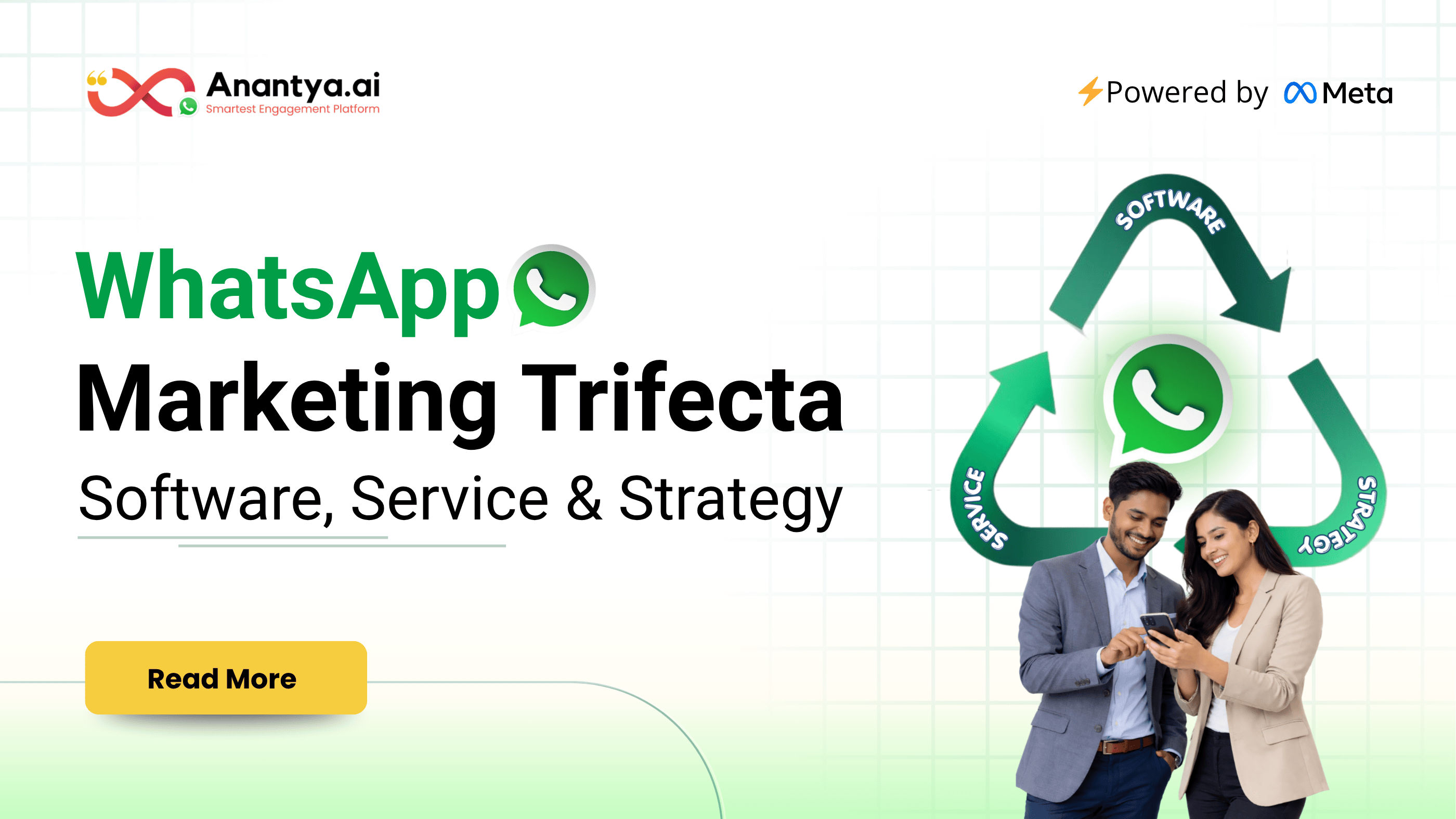
In this article, we’ll break down the three building blocks of WhatsApp marketing — software, service, and strategy — and look at how they combine to create results that other channels simply can’t match.
What is WhatsApp Marketing?
Picture going door to door in your neighbourhood, learning what each family needs, and offering the right solution for them. Now imagine doing that for millions of people at once, without losing that personal, one-on-one feel. That’s essentially what WhatsApp marketing allows a business to do.
Companies rely on WhatsApp marketing to:
Announce new launches, offers, and product updates
Send order confirmations and transactional alerts
Run broadcast campaigns to large audiences in one go
Handle customer support and after-**** conversations
Why Businesses Are Leaning Into WhatsApp Marketing
WhatsApp isn’t just popular — it’s part of daily life for close to 3 billion people worldwide. Messages get opened almost immediately, the platform is trusted because of end-to-end encryption, and unlike promotional emails, WhatsApp messages rarely end up ignored or buried.
A few things set WhatsApp apart from other social platforms:
Access to the WhatsApp Business API is restricted to verified, legitimate businesses, which keeps the ecosystem trustworthy
Rich media and interactive CTA buttons (like “Book a Demo,” “Explore Products,” or “Call Us”) boost engagement
Direct integration with Meta Business Manager makes performance tracking straightforward
A good Technology Service Provider (TSP) can design flows around how your specific audience actually behaves
Done right, this combination can meaningfully lift lead conversion and cut down response times — some businesses report conversion improvements of 40% or more once automation is properly in place.
WhatsApp Marketing as a Software
Isn’t software just another word for an app? Not quite. WhatsApp, Instagram, and LinkedIn are applications — they do a fixed set of things and nothing more. Software, on the other hand, works at a deeper level, giving businesses the flexibility to automate, customize, and scale.
A solid WhatsApp marketing software helps businesses by:
Automating campaigns and follow-up sequences
Organising contact lists and customer data in one place
Triggering messages based on real customer actions or intent
Tracking delivery rates, read receipts, and responses
Connecting WhatsApp with your CRM and other business tools
Without this layer of technology, most businesses end up doing everything manually — which makes it nearly impossible to scale campaigns, get clear insights, or manage a growing contact base efficiently.
What to Look for in a WhatsApp Marketing Software
Not all platforms are built the same. A good WhatsApp marketing software should support long-term, scalable growth while staying fully compliant with WhatsApp and Meta’s policies and data regulations.
Look for a platform where the customer journey is clearly mapped out — automated replies and triggers should actually resolve queries, not just acknowledge them. Some must-have features include:
WhatsApp Business API access
Campaign and broadcast management tools
Automated workflows and chatbot building
CRM and third-party app integrations
Built-in analytics and performance dashboards
The better platforms go further by enabling personalisation at scale — instead of blasting the same message to everyone, they tailor content based on individual behaviour, preferences, and where a customer is in their journey. That’s what turns a routine broadcast into a genuinely useful conversation.
The Role of WhatsApp Marketing Services
Technology alone won’t get you results — execution does. This is where a reliable WhatsApp Technology Service Provider (TSP) comes in, closing the gap between what the platform can do and what your business actually achieves.
Core service offerings typically include:
A unified inbox so multiple agents can manage conversations together
A template manager to keep messaging compliant with WhatsApp’s rules
A structured campaign planner for organised outreach
Integrations with ERP systems, payment gateways, and marketing tools
Lead tracking, user behaviour analysis, and reporting dashboards
Ready-to-use automation templates and WhatsApp Flow setup
Conclusion
Real growth on WhatsApp isn’t about sending more messages — it’s about building a system that understands your customers, engages them meaningfully, and converts consistently over time. When software, service, and strategy work together, WhatsApp stops being just a messaging app and becomes one of the most reliable growth channels a business can have.
This is exactly the kind of ecosystem that Anantya.ai helps businesses build. With an in-house WhatsApp marketing platform, Anantya.ai brings together the WhatsApp Business API, campaign automation, CRM integrations, and Meta-partner-level features into a single dashboard — so businesses don’t have to juggle multiple tools or vendors to get results. Whether it’s setting up Click-to-WhatsApp Ads, automating customer support, or building data-driven campaigns, Anantya.ai is built to handle the software and service side, so businesses can focus purely on strategy and growth.
For more infromation kindly read the full blog - https://anantya.ai/blog/whatsapp-marketing-software-service-strategy/



 Arabic
 Français
 Español
 Português
 Deutsch
 Türkçe
 Dutch
Dutch
 Italiano
 Russian
 Romaian