


Dating App Development: How to Begin and Execute?
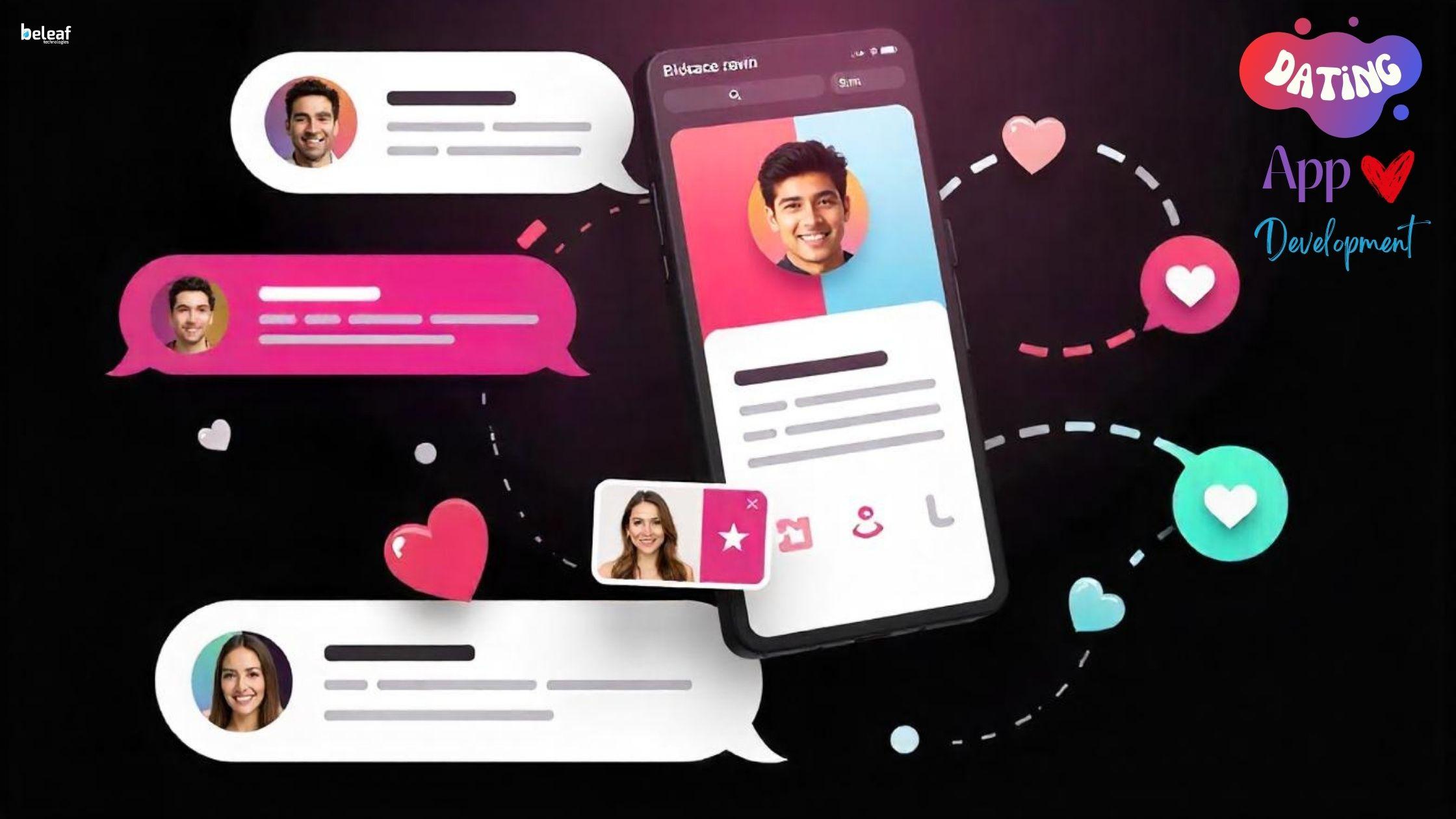
In today’s digitally connected world, dating apps have revolutionized how people form romantic relationships. With the global online dating market expected to reach $10.87 billion by 2028, investing in dating app development can be both lucrative and impactful. Whether you’re a tech entrepreneur or a startup founder, building a successful dating app requires a clear plan, the right features, and a user-first approach.
Why Invest in Dating App Development?
Before diving into the how-to, it’s important to understand why dating app development is a smart investment:
-
Growing Market Demand: Millions of users turn to dating apps daily.
-
Recurring Revenue Models: Subscriptions, in-app purchases, and ads offer consistent income.
-
User habits: Are evolving as newer generations choose online dating over offline methods.
Now, let’s break down the Dating App Development process into actionable steps.
Step 1: Identify Your Market Segment and Users
Will your app cater to professionals, pet lovers, individuals, or people over 50? Niching down allows for tailored features and marketing strategies.
Key questions to consider:
-
Who is your ideal user?
-
What problem does your dating app solve?
-
How does your app differ from Tinder, Bumble, or Hinge?
Step 2: Conduct Market Research
Research is the most important method to launch the app. Explore existing dating apps to understand what works and what doesn’t.
Market research should include:
-
User pain points
-
Competitor strengths and weaknesses
-
Trends in dating behavior
-
Preferred app functionalities
This data will shape your dating app’s unique selling proposition (USP) and overall development strategy.
Step 3: Choose the Right Business Model
Select a revenue model that aligns with your goals.
-
Freemium model with premium features
-
Subscription plans (e.g., monthly or yearly)
-
In-app purchases like boost, super likes, etc.
-
Ad-based models using targeted ads
Understanding your business model early helps structure app features and UX accordingly.
Step 4: Decide on Must-Have Features
Your dating app’s success largely depends on its features. Ensure your app includes the core functionalities users expect, along with a few innovative ones.
Essential Features:
-
User Profiles: Photos, bio, interests
-
Matching Algorithm: Based on preferences and behavior
-
Swipe Functionality: Familiar and intuitive interface
-
Chat System: Secure and real-time messaging
-
Push Notifications: Increase engagement
Advanced Features:
-
Video Calling: For safe virtual dates
-
AI-Based Suggestions: Smart matchmaking
-
Geolocation Services: Nearby matches
-
Profile Verification: Reduce fake accounts
Step 5: Choose the Right Tech Stack
Choosing the right tech stack is vital to ensure your app runs efficiently, grows smoothly, and stays protected.
Recommended tech stack for dating app development:
-
Frontend: React Native, Flutter (for cross-platform)
-
Backend: Node.js, Ruby on Rails
-
Database: MongoDB, PostgreSQL
-
Real-time Chat: Firebase, Socket.io
-
Cloud Hosting: AWS, Google Cloud
If you're not tech-savvy, partnering with a dating app development company can simplify this process.
Step 6: Design UI/UX That Users Love
Your app’s layout plays a key role in how users respond. A clutter-free, intuitive design keeps users engaged and encourages them to return.
Design tips for dating apps:
-
Keep navigation simple
-
Use appealing color schemes and fonts
-
Make profiles visually prominent
-
Ensure responsiveness across devices
A thoughtful UX improves engagement metrics like session time and swipe rate.
Step 7: Develop and Test the App
Once your tools and layout are ready, begin developing the app. Most development is done in stages:
-
Prototype Development: Basic interface and navigation
-
MVP Development: Core functionalities to test user interest
-
Full Version Development: Complete app with all features
Thorough testing is critical. QA should cover:
-
Usability
-
Security (especially for user data)
-
Speed and performance
-
Compatibility with devices and OS versions
Step 8: Launch and Promote Your Dating App
Launch your app with a strategic marketing plan. Use app stores, social media, influencers, and PR campaigns to gain traction.
Effective marketing strategies:
-
Create a pre-launch buzz
-
Use referral programs
-
Run targeted ads on social platforms
-
Collaborate with micro-influencers
Don’t forget to collect feedback post-launch to refine your app.
Step 9: Maintain, Update, and Scale
Launching the app isn’t the end—it’s just the beginning. Regular updates help your app stay ahead in the market.
Post-launch priorities:
-
Fix bugs and patch security issues
-
Add new features based on feedback
-
Monitor performance with analytics
-
Scale infrastructure to handle user growth
Continuous improvements keep users engaged and satisfied.
Final Thoughts
Dating app development is a blend of market insight, strategic planning, and technical expertise. From defining your niche to launching and scaling, every step plays a vital role in building a successful product.By focusing on user needs, adopting the right tech stack, and staying updated with market trends, you can create a dating app that not only competes with industry giants but also carves its unique space in the market.
Whether you’re a startup or an entrepreneur, teaming up with a reliable dating app development company can simplify the journey, ensuring your app is feature-rich, scalable, and secure from the start.

 English
 Arabic
 Français
 Español
 Português
 Deutsch
 Türkçe
 Italiano
 Russian
 Romaian