


Osteoarthritis ICD 10 Complete Coding and Documentation Guide
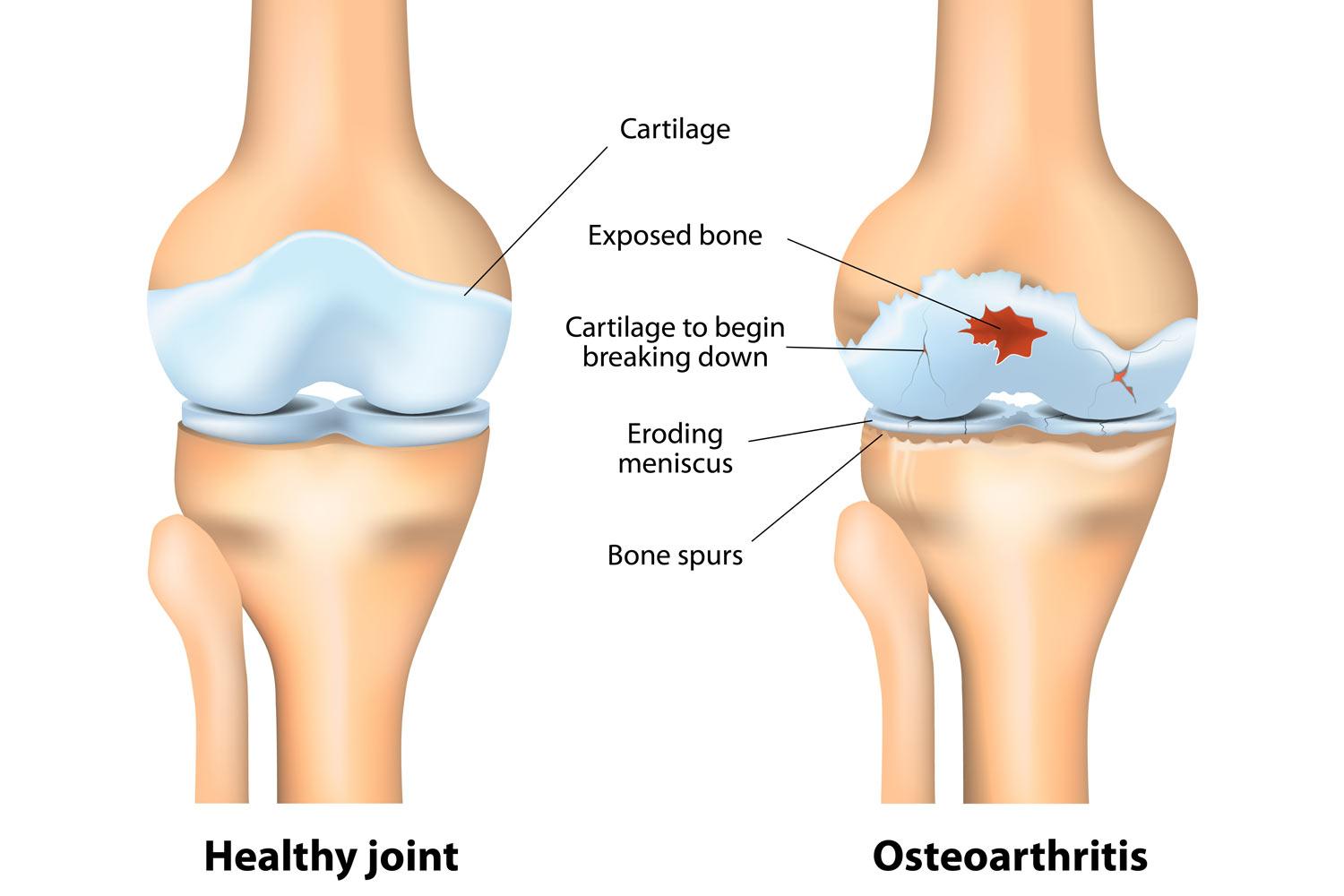
Osteoarthritis ICD 10 (OA), also known as degenerative joint disease, is one of the most common chronic conditions worldwide. It affects millions of people, especially older adults, and is a leading cause of disability. For healthcare professionals, correct ICD-10 coding for osteoarthritis is essential to ensure accurate medical documentation, billing, and reimbursement.
This guide will explain everything you need to know about Osteoarthritis ICD-10 codes, including classifications, examples, coding tips, and why accuracy matters.
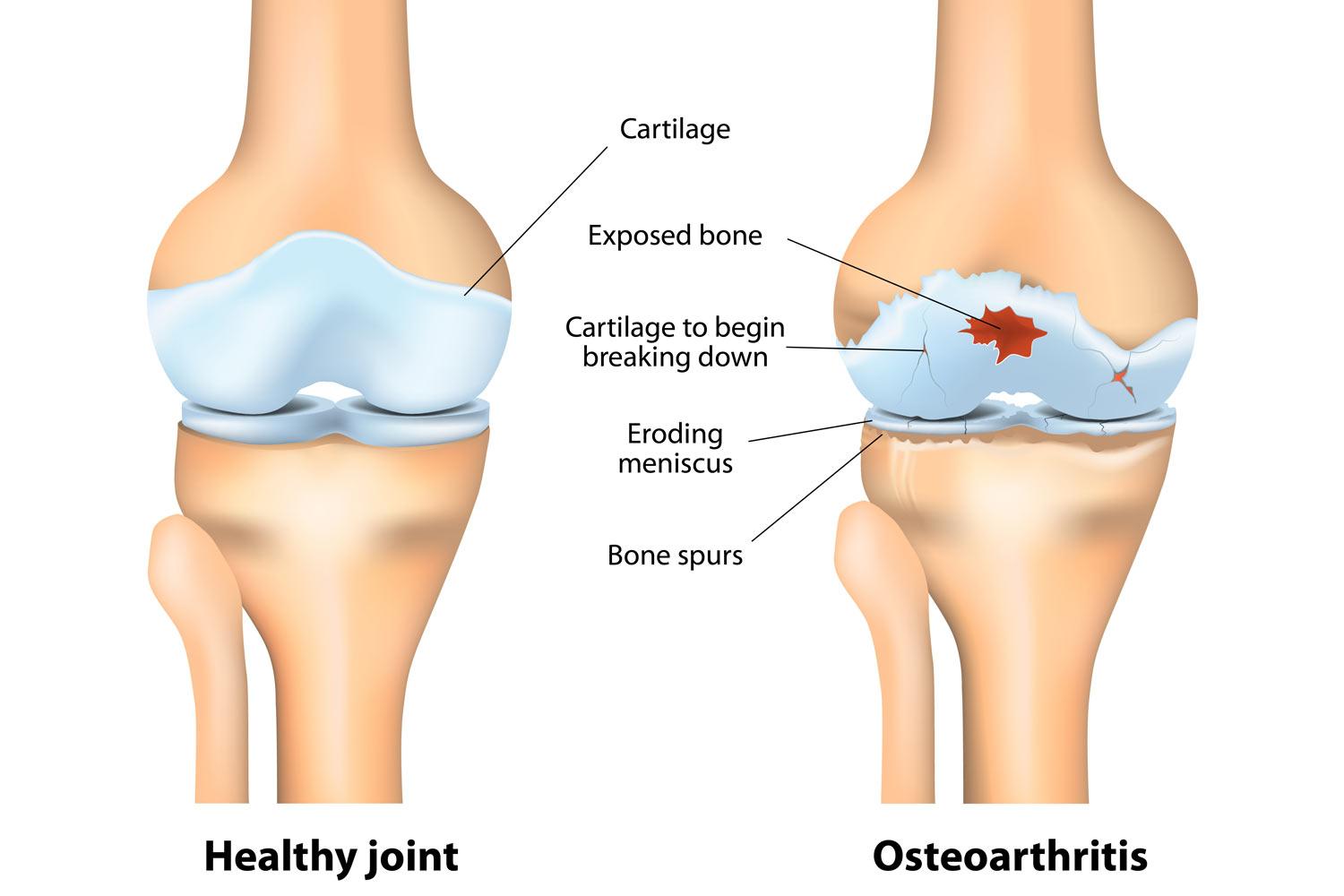
What Is Osteoarthritis?
Osteoarthritis ICD 10 Osteoarthritis is a progressive joint disease characterized by:
Breakdown of articular cartilage
Changes in subchondral bone
Joint space narrowing
Pain, stiffness, and decreased mobility
Unlike autoimmune arthritis (e.g., rheumatoid arthritis), osteoarthritis is a wear-and-tear disease—though genetics, injuries, and lifestyle factors can accelerate its development.
Common Symptoms:
Joint pain that worsens with activity
Morning stiffness (typically less than 30 minutes)
Swelling and tenderness
Cracking or grinding sensation (crepitus)
Limited range of motion
Commonly Affected Joints:
Knees
Hips
Hands (especially the thumb base and finger joints)
Spine (cervical and lumbar regions)
Why Osteoarthritis ICD-10 Coding Matters
ICD-10-CM (International Classification of Diseases, 10th Revision, Clinical Modification) is the standardized system used to document and report medical diagnoses in the U.S.
For osteoarthritis:
Insurance & reimbursement: Insurers require precise codes for claim approvals.
Clinical documentation: Codes specify type, site, and laterality.
Public health data: Coding helps track prevalence and research outcomes.
Compliance: Proper coding ensures adherence to CMS and HIPAA guidelines.
ICD-10 Coding for Osteoarthritis
Osteoarthritis is primarily classified under M15–M19 in ICD-10-CM.
M15 – Polyosteoarthritis
Used when multiple joints are affected.
M15.0 – Primary generalized (osteo)arthritis
M15.3 – Secondary multiple osteoarthritis
M16 – Osteoarthritis of Hip
M16.0 – Bilateral primary osteoarthritis of hip
M16.1 – Unilateral primary osteoarthritis of hip
M16.4 – Post-traumatic osteoarthritis of hip
M17 – Osteoarthritis of Knee
M17.0 – Bilateral primary osteoarthritis of knee
M17.1 – Unilateral primary osteoarthritis of knee
M17.4 – Post-traumatic osteoarthritis of knee
M18 – Osteoarthritis of First Carpometacarpal Joint (Thumb Base)
M18.0 – Bilateral primary osteoarthritis of first CMC joints
M18.1 – Unilateral primary osteoarthritis of first CMC joint
M19 – Other and Unspecified Osteoarthritis
M19.0 – Primary osteoarthritis of other joints
M19.1 – Post-traumatic osteoarthritis of other joints
M19.2 – Secondary osteoarthritis of other joints
M19.9 – Osteoarthritis, unspecified site
Common Osteoarthritis ICD-10 Codes in Practice
Here are examples of commonly used codes:
M17.0 – Bilateral primary osteoarthritis of knee (one of the most frequently coded)
M16.1 – Unilateral primary osteoarthritis of hip
M18.0 – Bilateral primary osteoarthritis of first carpometacarpal joint
M19.9 – Osteoarthritis, unspecified site (use only if documentation is insufficient)
Coding Guidelines and Tips
Correct osteoarthritis coding requires attention to site, laterality, and type.
Document the specific joint – Hip, knee, hand, or spine.
Include laterality – Right, left, or bilateral.
Specify type – Primary, secondary, or post-traumatic.
Avoid unspecified codes – Only use them if documentation is incomplete.
Check medical notes and imaging – Clinical findings should support the diagnosis.
Primary vs. Secondary Osteoarthritis
Primary osteoarthritis: Age-related degeneration without another underlying cause.
Secondary osteoarthritis: Caused by conditions like obesity, prior injuries, or congenital abnormalities.
Post-traumatic osteoarthritis: Develops after joint trauma such as fractures or ligament injuries.
Osteoarthritis ICD-10 vs. Other Arthritis Codes
It’s important to differentiate OA from other forms of arthritis in ICD-10:
Rheumatoid Arthritis (RA): Coded under M05–M06, autoimmune in nature.
Gouty Arthritis: Coded under M10, caused by uric acid buildup.
Psoriatic Arthritis: Coded under L40.5, associated with psoriasis.
Clinical Relevance of Accurate Coding
Accurate ICD-10 coding is more than paperwork—it directly affects patient care.
Treatment planning: Codes indicate severity and help guide therapy (medications, physical therapy, or surgery).
Insurance coverage: Precise codes reduce claim denials.
Research data: Helps track osteoarthritis prevalence and outcomes.
Legal protection: Proper documentation ensures compliance with regulations.
Treatment Options for Osteoarthritis (Clinical Snapshot)
Although there is no cure, treatments aim to relieve symptoms and improve quality of life.
Lifestyle modifications: Weight management, exercise, physical therapy
Medications: NSAIDs, corticosteroid injections, topical treatments
Assistive devices: Braces, orthotics, canes
Surgical options: Joint replacement for advanced cases
Frequently Asked Questions (FAQ)
1. What is the ICD-10 code for generalized osteoarthritis?
M15.0 – Primary generalized osteoarthritis
2. What’s the most common ICD-10 code for knee OA?
M17.0 – Bilateral primary osteoarthritis of knee
3. Can osteoarthritis be coded without imaging?
Yes, clinical documentation can support diagnosis, but imaging provides stronger justification.
4. What if the provider only writes “osteoarthritis” without details?
Use M19.9 – Osteoarthritis, unspecified site (though detailed documentation is preferred).
Conclusion
Osteoarthritis ICD 10 coding is essential for healthcare documentation, billing, and patient care. The correct use of codes requires specificity: document the affected joint, laterality, and type of osteoarthritis.
By understanding categories under M15–M19, coders and clinicians can ensure accurate reporting, better treatment planning, and improved patient outcomes.
Whether you’re a medical coder, healthcare provider, or patient seeking clarity on your diagnosis, this guide provides everything you need to know about Osteoarthritis ICD-10 codes.

 Arabic
 Français
 Español
 Português
 Deutsch
 Türkçe
 Dutch
Dutch
 Italiano
 Russian
 Romaian