


Adaptive Learning Ecosystems: How AI Is Personalizing Employee Development
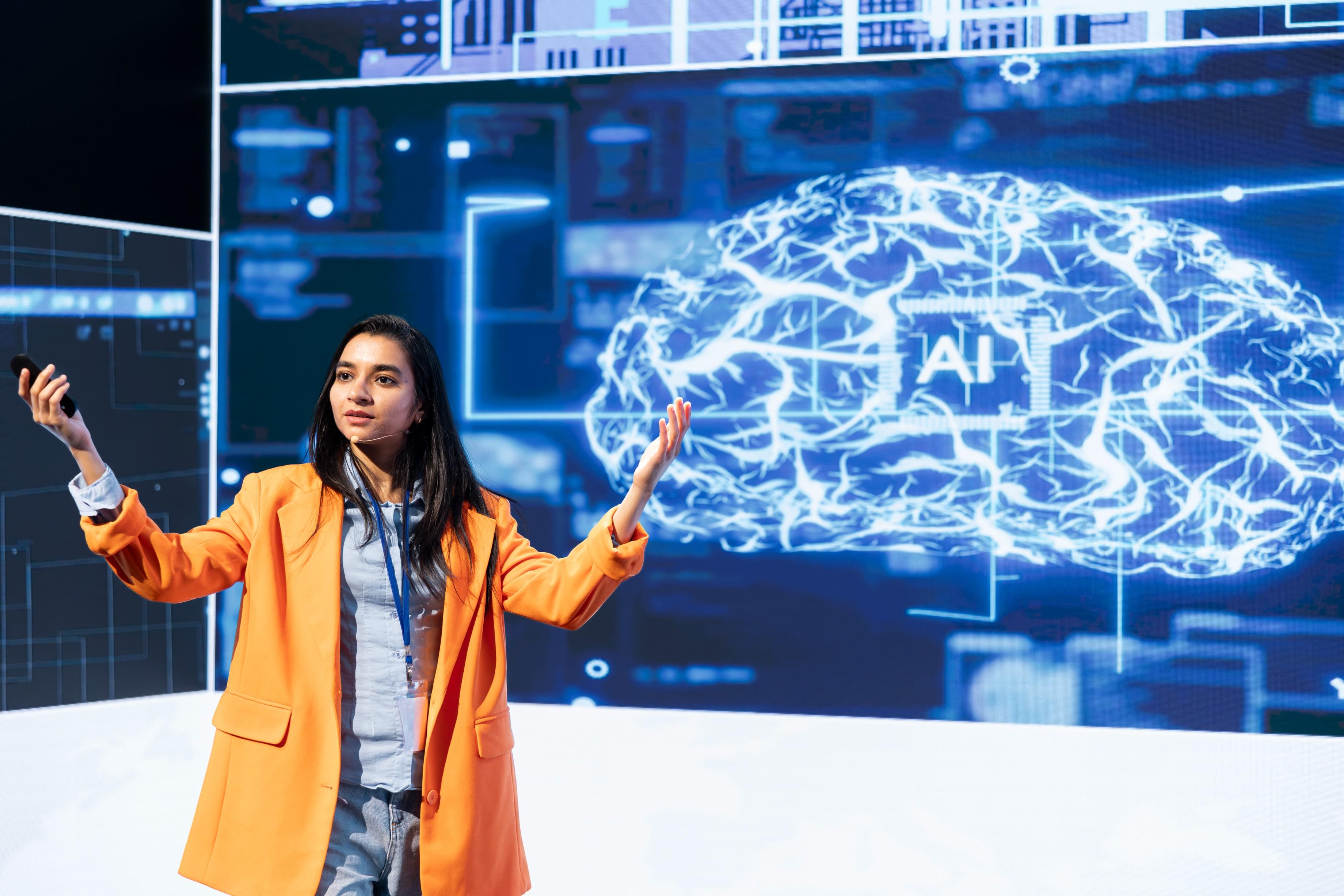
In 2025, the expectations for employee development are evolving rapidly. Organisations no longer rely solely on annual training programmes; instead, they need learning that adapts to the individual, aligns with emerging skills and supports the broader business strategy. The good news? Modern HR technology is enabling adaptive learning ecosystems—powered by AI-driven platforms that personalise training, deliver real-time feedback and link learning to performance and engagement.
Why adaptive learning matters now
In yesterday’s model, learning was often one-size-fits-all: same course, same pace, same medium, regardless of the learner. But that approach fails in a workforce that is hybrid, mobile and skill-driven. According to industry research, AI in learning and development can tailor content based on role, skill level and pace of each learner.
For HR leaders, adaptive learning means moving from a static “learn this” mindset to a dynamic “grow this” model where each individual follows a unique path—but the organisation benefits from insight, agility and scalability.
The core of an adaptive learning ecosystem
An effective ecosystem built on adaptive learning and AI involves several components:
-
Skills assessment & gap-analysis: AI uses workforce analytics to understand current competencies, performance data and future role needs, thereby identifying where learners should focus.
-
Personalised learning paths: Based on the assessment, adaptive systems generate personalised learning journeys—short, relevant modules that match learner pace, style and goal.
-
Real-time adaptation & micro-learning: As learners progress, the system adjusts difficulty, delivery method or path based on performance and engagement, often via micro-learning or in-flow modules.
-
Integration with work & feedback loops: Learning is embedded into workflow—so when an employee encounters a skill gap in their job, the ecosystem recommends just-in-time content or mentorship.
-
Data-driven insights & analytics: Learning data (completion rates, skill growth, engagement) ties into workforce analytics and HR dashboards—enabling HR to measure ROI, impact and future skill readiness.
Together, these elements create a learning ecosystem rather than a standalone LMS. It’s about connecting HR technology, content, data and environment to deliver personalised development at scale.
Business impact: why it matters for HR
When organisations adopt adaptive learning ecosystems, they unlock tangible benefits:
-
Faster skill acquisition & readiness: Learners spend time only on what they need—reducing wasted hours and improving time-to-productivity.
-
Higher engagement & retention: Personalised learning makes employees feel recognised and invested in, boosting engagement and lowering attrition.
-
Agility and future-proofing: With the ability to forecast skills and adapt paths, organisations stay ahead of disruption by ensuring talent is ready for emerging roles.
-
Better alignment with business strategy: When learning is linked to performance metrics and strategy, HR becomes a strategic partner—not just a training provider.
-
Scalability & efficiency: Adaptive ecosystems scale globally, accommodate different learning styles and deliver value with fewer resources.
Challenges and how HR teams can address them
Despite the promise, building an adaptive learning ecosystem has its obstacles:
-
Data & integration hurdles: To personalise effectively, platforms need clean data from HR systems, performance tools, skill inventories and learning platforms. Without integration, insight is limited.
-
Content readiness & relevance: Adaptive systems require modular, rich and up-to-date content that can be tailored. Organisations must shift from dumping content to curating skill-focused modules.
-
Adoption & change-culture: Learners and managers must trust the ecosystem. Clear communication, visible leadership use and feedback loops matter.
-
Governance & privacy: Learning ecosystems collect data on progress, performance and behaviours. HR must ensure transparency, consent and ethical use of that data.
What HR leaders should do now
-
Audit your current L&D ecosystem – Map what tools you have, how integrated they are with HR/skill data, and how personalised the learning paths currently are.
-
Define strategic skills and use-cases – Collaborate with business units to identify high-impact skill needs, learning goals and talent challenges where adaptive learning can deliver value.
-
Choose or upgrade technology with adaptability at its core – Seek platforms supporting AI-driven pathing, real-time adaptation, micro-learning and analytics.
-
Embed learning in the flow of work – Make development accessible, mobile-friendly, on-demand and tied to actual job tasks—not just after-hours or siloed.
-
Measure and iterate – Track metrics such as learning completion, skill-growth, time-to-competency, internal mobility and link these to business outcomes. Refine the ecosystem continuously.
Conclusion
In an era defined by rapid change, hybrid work and evolving skill demands, the shift from static training to adaptive learning ecosystems is essential. By leveraging AI, personalisation and integration, HR teams can deliver scalable, strategic employee development and align people growth with business strategy. For organisations ready to embrace this future, the question isn’t if but how quickly they can build a personalised learning ecosystem that drives impact, engagement and agility.
Contact us
https://hrtechnologyinsights.com/contact?utm_source=akbar&utm_medium=blog
Related New
https://hrtechnologyinsights.com/news/visualvault-enhances-hr-content-management-for-compliance
https://hrtechnologyinsights.com/news/hershey-appoints-new-chro-natalie-rothman

 English
 Arabic
 Español
 Português
 Deutsch
 Türkçe
 Dutch
Dutch
 Italiano
 Russian
 Romaian