


Why Proper Insulation Matters for Restaurants
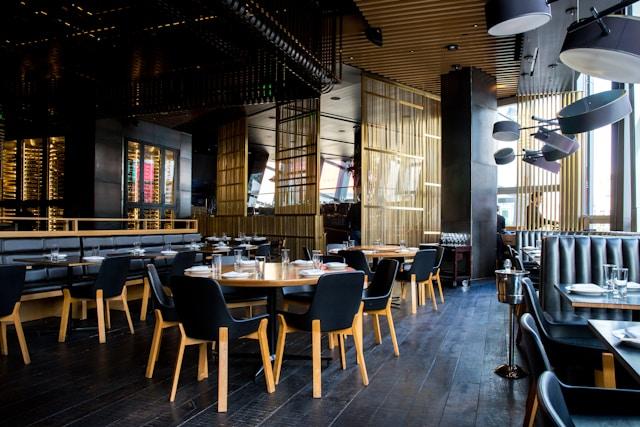
The restaurant industry is more competitive than ever, and operational efficiency can determine whether a business thrives or struggles. One of the most overlooked factors affecting restaurant performance is insulation. Beyond comfort, proper insulation influences energy costs, food safety, customer experience, and overall building durability—making it a core investment for any food-service business.
According to industry studies, restaurants consume nearly 2.5 times more energy per square foot than other commercial buildings, primarily due to heavy kitchen equipment. With energy costs rising each year, proper insulation has never been more important.
1. Controlling Heat in High-Temperature Cooking Areas
Commercial kitchens generate extreme heat from ovens, grills, fryers, and stoves. Without good insulation, this heat spreads quickly into dining areas, storage spaces, and offices.
Why heat control matters
-
Up to 45% of a restaurant’s energy use often goes to cooling systems trying to counter high indoor heat.
-
Poor insulation forces air-conditioning units to work 2–3× harder, increasing wear and tear.
-
Excess heat reduces staff comfort, affecting performance and safety.
Benefits of proper insulation
-
Stabilizes temperature in all areas
-
Keeps kitchen heat contained
-
Lowers monthly cooling expenses
-
Improves overall working conditions
2. Improving Customer Comfort and Dining Experience
Restaurant guests judge their experience not only by food but by how comfortable they feel. Studies show over 80% of diners leave early or avoid returning when a place feels too hot, too cold, or too noisy.
Good insulation helps create:
-
Steady and comfortable dining temperatures
-
Reduced cold or warm spots near windows or entrances
-
Better sound control—important in busy restaurants
-
A more relaxing atmosphere that encourages customers to stay longer
3. Food Storage and Safety Protection
Temperature control is critical for food safety. Poor insulation in walk-in freezers, pantries, or dry storage leads to unsafe temperature changes.
Key risks of poor insulation
-
Food spoilage may increase by up to 20%
-
Higher electricity use as freezers and coolers overwork
-
Moisture buildup that can encourage mold and bacteria
Proper insulation helps by
-
Keeping storage areas at steady temperatures
-
Reducing strain on cooling equipment
-
Preventing condensation and mold growth
4. Reducing Noise in Busy or High-Traffic Locations
Restaurants are often surrounded by noise from:
-
Streets and traffic
-
Deliveries
-
Other businesses
-
Loud kitchens
Insulation with sound-blocking properties helps maintain a peaceful dining environment.
Benefits include
-
Blocking outdoor noise
-
Reducing kitchen noise reaching customers
-
Making conversations easier for diners
5. Special Note: BBQ Catering and BBQ Restaurants
BBQ restaurants or businesses offering BBQ catering face special challenges due to more heat, smoke, and strong odors.
Insulation is especially important because it helps
-
Contain high cooking heat
-
Add extra fire protection with heat-resistant materials
-
Support better ventilation
-
Prevent smoke and odors from spreading to dining areas
6. Lower Energy Bills and Long-Term Cost Savings
Restaurants with proper insulation typically save 10–30% each year on energy bills. These savings grow fast, especially for establishments operating long hours.
Financial advantages
-
Lower monthly electricity costs
-
Less stress on HVAC systems
-
Reduced risk of equipment breaking
-
Longer building lifespan due to controlled temperature and moisture
Conclusion
Proper insulation is one of the smartest investments a restaurant can make. It improves kitchen efficiency, enhances customer comfort, protects food storage, and cuts energy costs. Whether it’s a café, fine-dining restaurant, fast-food outlet, or even a BBQ catering business, quality insulation helps create a safer, more efficient, and more enjoyable environment for everyone.

 English
 Français
 Español
 Português
 Deutsch
 Türkçe
 Dutch
Dutch
 Italiano
 Russian
 Romaian