


How to Create Quality MQLs: A Step-by-Step Guide
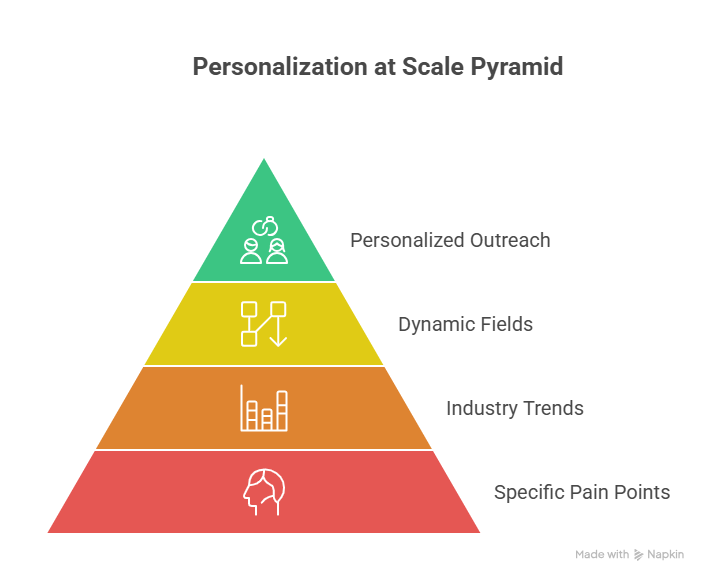
Generating high-quality Marketing Qualified Leads (MQLs) is crucial for building a predictable sales pipeline. Many companies focus on quantity, but it’s the quality of leads that determines conversion success. Below is a clear, step-by-step guide—explained in both pointers and paragraphs—to help you attract, identify, and nurture quality MQLs that are ready for sales engagement.
1. Define Your Ideal Customer Profile (ICP)
Pointers:
- Identify demographics (industry, company size, role).
- Understand psychographics (goals, challenges, buying motivations).
- Align with your product’s value proposition.
A strong ICP is the foundation for generating high-quality MQLs. Knowing exactly who benefits most from your product allows you to tailor marketing content, optimize campaigns, and eliminate low-value leads early. Spend time interviewing existing customers, studying analytics, and reviewing sales data to refine your ICP.
2. Map the Customer Journey
Pointers:
- Outline awareness, consideration, and decision stages.
- Assign content types to each stage.
- Identify points where leads qualify as MQLs.
Mapping your customer journey ensures you deliver the right message at the right time. Prospects need nurturing before they’re ready to talk to sales. By understanding what they seek at each stage, you can identify signals—such as repeated content engagement or specific downloads—that indicate when they’ve reached MQL status.
3. Create High-Value, Targeted Content
Pointers:
- Use educational blogs, ebooks, checklists, videos, and webinars.
- Tailor content to your ICP’s pain points.
- Provide actionable, expert-level insights.
Quality content is one of the strongest MQL generators. When your content solves real problems, you naturally attract more qualified prospects. Make sure each piece is tied to a measurable goal: capturing emails, driving demo requests, or encouraging deeper interaction. High-value content helps you filter serious prospects from passive browsers.
4. Optimize Lead Capture Mechanisms
Pointers:
- Use smart CTAs that speak directly to buyer needs.
- Create friction-free forms that collect only essential data.
- Offer gated content for high-intent leads.
Generating MQLs requires opportunities for visitors to convert. Use forms and landing pages that focus on clarity and ease of use. Avoid asking too many questions upfront; instead, use progressive profiling to gather more information as leads interact further. Strong CTAs and well-designed landing pages increase both conversion and lead quality.
5. Score Your Leads Accurately
Pointers:
- Assign scores based on behavior (page views, downloads, webinar attendance).
- Add demographic scoring (role, company size, industry).
- Set a clear scoring threshold for MQL qualification.
Lead scoring helps you distinguish between casual interest and genuine buying intent. Behavior-based scoring is especially powerful—such as when a lead repeatedly visits pricing pages or attends product demos. Combine this with demographic scoring to ensure alignment with your ICP. When done right, lead scoring becomes your most effective MQL filter.
6. Nurture Leads with Automated Workflows
Pointers:
- Use email sequences tailored to user behavior.
- Provide relevant content based on lead activity.
- Keep communication consistent but not overwhelming.
Not all leads are ready right away, which is why nurturing matters. Automated workflows guide leads deeper into the funnel and gradually increase their intent. Personalized follow-ups, dynamic content, and well-timed emails build familiarity and trust. Over time, nurtured leads convert at a significantly higher rate.
7. Align Your Marketing and Sales Teams
Pointers:
- Agree on MQL definitions and thresholds.
- Establish closed-loop feedback systems.
- Review MQL outcome data regularly.
Quality MQL creation depends heavily on marketing-sales alignment. Both teams must agree on what an MQL looks like and how quickly sales follows up. Regular review sessions help refine scoring models and content strategies. With strong alignment, overall lead quality improves and conversion rates rise.
8. Measure, Analyze, and Refine
Pointers:
- Track metrics like MQL-to-SQL conversion, cost per MQL, and engagement rates.
- Identify which content and channels produce the best leads.
- Continuously update your processes based on data.
Creating quality MQLs is not a one-time task—it’s a continuous optimization cycle. Use analytics to understand what’s working and where drop-offs occur. Refine your content, scoring, and nurturing strategies to maintain a steady flow of high-value leads.
Conclusion
Mastering how to create quality MQLs requires a blend of precise targeting, strong content, accurate scoring, and seamless team alignment. By following these steps consistently, you’ll build a reliable pipeline filled with leads that are genuinely interested, well-educated, and far more likely to convert.
Hashtags:
#MQL #LeadGeneration #MarketingStrategy #B2BMarketing #DemandGen

 English
 Arabic
 Français
 Português
 Deutsch
 Türkçe
 Dutch
Dutch
 Italiano
 Russian
 Romaian