


R Panel vs PBR Panel
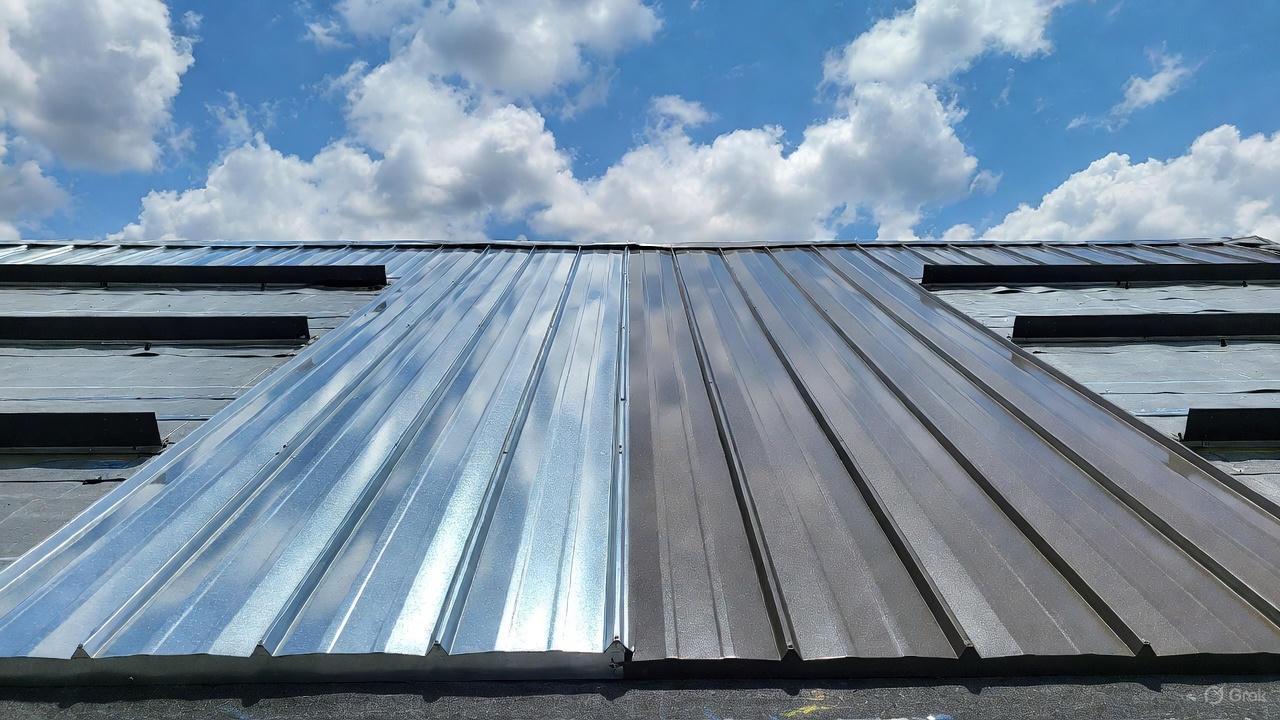
R Panel vs PBR Panel: Differences, Costs, and Which One to Choose
I’ve stood on more metal roofs than I can remember, usually with a screw gun in one hand and a tape measure in the other.
The r panel vs pbr panel question comes up on nearly every metal roofing quote.
And the wrong choice can cost you twice—once at install, and again during repairs.
Why This Comparison Actually Matters
On paper, R panel and PBR panel look nearly identical.
Same rib spacing.
Same exposed fasteners.
Same metal roofing category.
But structurally, they’re not the same animal.
I’ve seen projects succeed—or fail—based solely on this choice.
What Is the Difference Between R Panel and PBR Panel?
Clients often ask directly: what is the difference between r panel and pbr panel?
The answer is simple, but the implications aren’t.
PBR panels have an added purlin-bearing leg at the edge.
That small feature changes everything.
R Panel Roofing Explained From the Field
R panel roofing is lighter-duty, though still durable.
I use it most often on:
-
Residential homes
-
Garages
-
Shops
-
Pole barns with solid decking
R panel needs either decking or closely spaced framing to perform properly.
Skip that, and you’ll see deflection over time.
PBR Panel Roofing: Built for Structure
PBR panel roofing was designed for commercial and agricultural buildings.
That bearing leg allows panels to span open purlins without decking.
I’ve installed PBR directly over steel framing on 25–30 foot buildings without issues.
That’s not marketing.
That’s engineering.
Panel Rating: Where the Real Differences Show
This is where panel rating matters.
R panel typically carries lower load ratings.
PBR panels usually have higher uplift and snow-load ratings due to their profile.
On one warehouse job, switching to PBR eliminated the need for additional purlins.
That saved the client thousands.
R Panel vs PBR Panel Cost: The Real Numbers
Let’s talk money.
The pbr panel vs r panel cost difference isn’t as big as people assume.
From my supplier pricing:
-
R panel: $1.25–$3.50 per sq ft
-
PBR panel: $1.75–$4.25 per sq ft
Installed, the gap narrows further when PBR replaces structural components.
Long-Term Cost vs Upfront Cost
Upfront, R panel looks cheaper.
Long-term, PBR often wins.
I’ve repaired sagging R panel roofs where the framing was undersized.
Those repairs cost more than the original PBR upgrade would have.
Cheap decisions have expensive consequences.
R PBR Panel vs Ag Panel: Not the Same Thing
Another common confusion is r pbr panel vs ag panel.
Ag panels are lighter gauge, narrower, and decorative-focused.
They’re fine for sheds and small barns.
But they don’t carry the same ratings as R or PBR.
I never recommend ag panel for structural roofing.
Difference Between R Panel and U Panel
People rarely ask about the difference between r panel and u panel, but they should.
U panel has a lower rib profile and reduced strength.
It’s more common on siding than roofing.
R panel outperforms U panel in nearly every roofing application.
If someone offers U panel as a substitute, I walk away.
Installation Differences That Matter
Installation technique changes depending on panel type.
With R panel, decking quality matters.
With PBR, alignment and bearing engagement matter more.
Mistakes I’ve fixed from rushed installs:
-
Missing side-lap screws
-
Fastening ribs instead of flats
-
Ignoring thermal expansion
Metal doesn’t forgive sloppiness.
Noise, Deflection, and Performance
Noise complaints usually aren’t about the panel—they’re about the install.
Both r panel roofing and pbr panel roofing perform quietly with insulation and underlayment.
Deflection is where PBR shines.
Under load, it simply holds shape better.
Case Study: When the Wrong Panel Was Chosen
A client once insisted on R panel for a small warehouse.
Open framing.
Wide purlin spacing.
Within three winters, the panels visibly sagged.
We replaced it with PBR.
No sag since.
That lesson cost more than the upgrade ever would have.
Aesthetics vs Structure
R panel tends to look cleaner on residential projects.
PBR looks industrial—because it is.
If curb appeal matters more than span strength, R panel makes sense.
If performance matters, PBR wins every time.
Which One Should You Choose?
Here’s my rule of thumb after years in the trade:
Choose R panel roofing if:
-
You have solid decking
-
The building is residential
-
Loads are light
Choose PBR panel roofing if:
-
Framing is open
-
Spans are wide
-
Loads are heavy
Ignore this, and the roof will remind you later.
Final Thoughts From the Roof Edge
The r panel vs pbr panel debate isn’t about better or worse.
It’s about correct application.
Both panels are excellent—when used properly.
I’ve trusted both with my name on the job.
But I’ve only trusted PBR when failure wasn’t an option.
And in roofing, that’s usually the difference that matters most.

 English
 Arabic
 Français
 Español
 Deutsch
 Türkçe
 Dutch
Dutch
 Italiano
 Russian
 Romaian