


TMJ Can Cause Ear Pain: Understanding the Connection
Jaw discomfort and ear pain often appear together, leaving many people confused about the cause. Surprisingly, the temporomandibular joint (TMJ) may be responsible. Understanding how TMJ disorders affect the jaw and surrounding areas can help patients find effective relief. Professional TMJ physical therapy techniques can address the root cause of pain and improve overall function, with guidance from a TMJ Houston specialist.
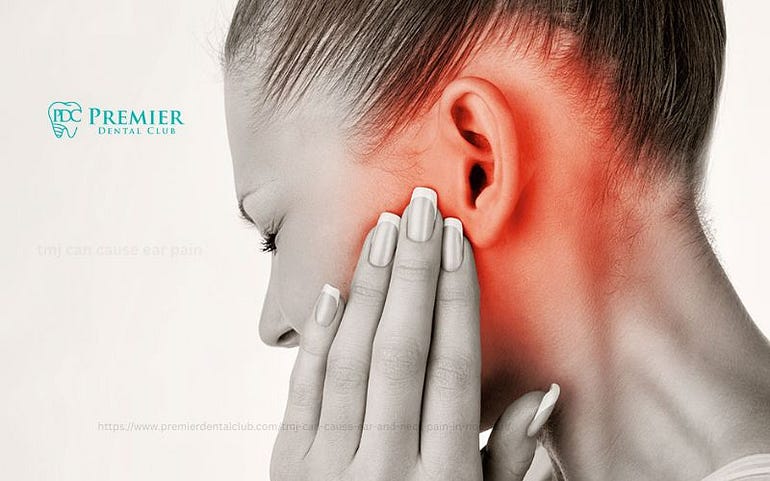
How TMJ Affects the Ear
The temporomandibular joint connects the jawbone to the skull and is located just in front of the ear. When the joint or the surrounding muscles become strained or inflamed, it can lead to pain that radiates to nearby areas, including the ears. This is why many patients report earaches, pressure, or ringing even when ear exams show no infection.
In short, TMJ can cause ear pain, and addressing the joint directly is often the most effective way to reduce discomfort.
Common Symptoms Associated With TMJ Disorders
TMJ disorders can produce a range of symptoms, often affecting areas beyond the jaw:
-
Ear pain or fullness
-
Jaw clicking, popping, or locking
-
Facial pain and headaches
-
Neck and shoulder tension
-
Difficulty opening or closing the mouth
These symptoms can be intermittent or constant, and they often worsen during stress or after prolonged chewing.
How TMJ Physical Therapy Techniques Help
Professional TMJ physical therapy techniques are designed to relieve pain, improve jaw mobility, and reduce muscle tension. Some commonly used techniques include:
-
Manual Therapy: Hands-on joint mobilization to restore proper movement and reduce stiffness.
-
Targeted Exercises: Strengthening weak muscles and relaxing overactive ones to improve jaw coordination.
-
Soft Tissue Release: Reducing muscle tightness in the jaw, face, neck, and shoulders.
-
Postural Training: Correcting posture to decrease stress on the TMJ and surrounding muscles.
-
Neuromuscular Re-education: Retraining the jaw to move efficiently during everyday activities.
These techniques not only help relieve jaw pain but also reduce secondary symptoms such as ear discomfort.
When to See a TMJ Houston Specialist
Persistent jaw or ear pain should not be ignored. A TMJ Houston specialist can assess your condition, provide a proper diagnosis, and recommend a treatment plan tailored to your needs. Early intervention with professional therapy often prevents chronic pain and restores jaw function more quickly.
Long-Term Benefits of TMJ Therapy
Patients who follow professional TMJ treatment, including physical therapy, often experience:
-
Reduced jaw and ear pain
-
Improved jaw mobility and coordination
-
Fewer headaches and facial tension
-
Better posture and overall muscle balance
-
Long-term relief without medication or invasive procedures
Final Thoughts
If you’ve been wondering why your ears hurt even when nothing is wrong with them, it may be time to consider your jaw.TMJ can cause ear pain and addressing the issue with professional TMJ physical therapy techniques under the guidance of a TMJ Houston specialist can provide lasting relief. Early treatment is key to restoring comfort and improving quality of life.

 Arabic
 Français
 Español
 Português
 Deutsch
 Türkçe
 Dutch
Dutch
 Italiano
 Russian
 Romaian