


7 Key Differences Between Vacuum Cleaners and Central Vacuum Systems
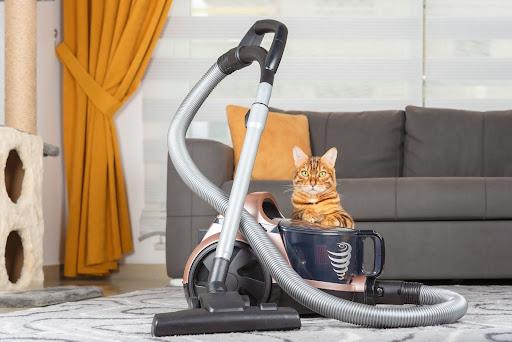
When we compare vacuum cleaners and central vacuum systems, we notice several key differences. Portable vacuums offer easy movement but can be cumbersome, while central systems provide powerful, consistent cleaning without the hassle of cords. Installation for central units is more complex and requires professional help. Maintenance differs, too, as central vacuums demand regular filter checks. Plus, central systems operate quieter than traditional vacuums. So, let’s explore these distinctions further to find what suits us best.
Vacuum Cleaners vs. Central Vacuum Systems: A Comparative Overview
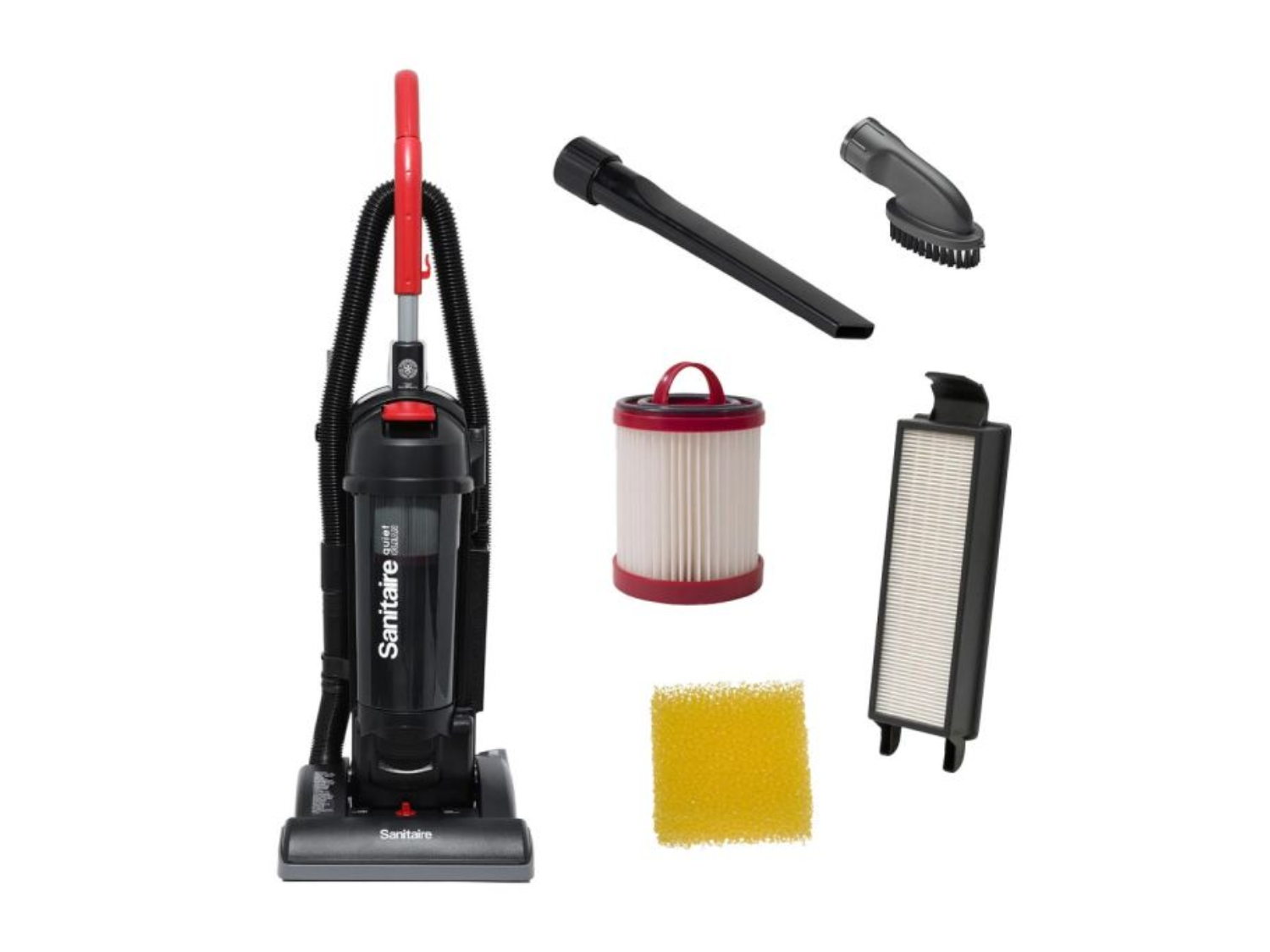
When it comes to keeping our homes clean, we often find ourselves choosing between traditional vacuum cleaners and central vacuum systems.
Traditional vacuums, like SEBO models, offer versatility and portability, making them great for quick cleanups. With a range of models, from canisters to uprights, we can find options that fit our needs and budgets.
On the other hand, central vacuum systems provide a more permanent solution, installed within our homes for ease of use. They typically feature superior filtration, capturing allergens effectively.
Both systems have their merits, but understanding our cleaning habits and home layout can help us decide which option is best for us.
Ultimately, it’s about finding the right balance between convenience and efficiency.
Portability vs. Permanence: How Mobility Affects Cleaning
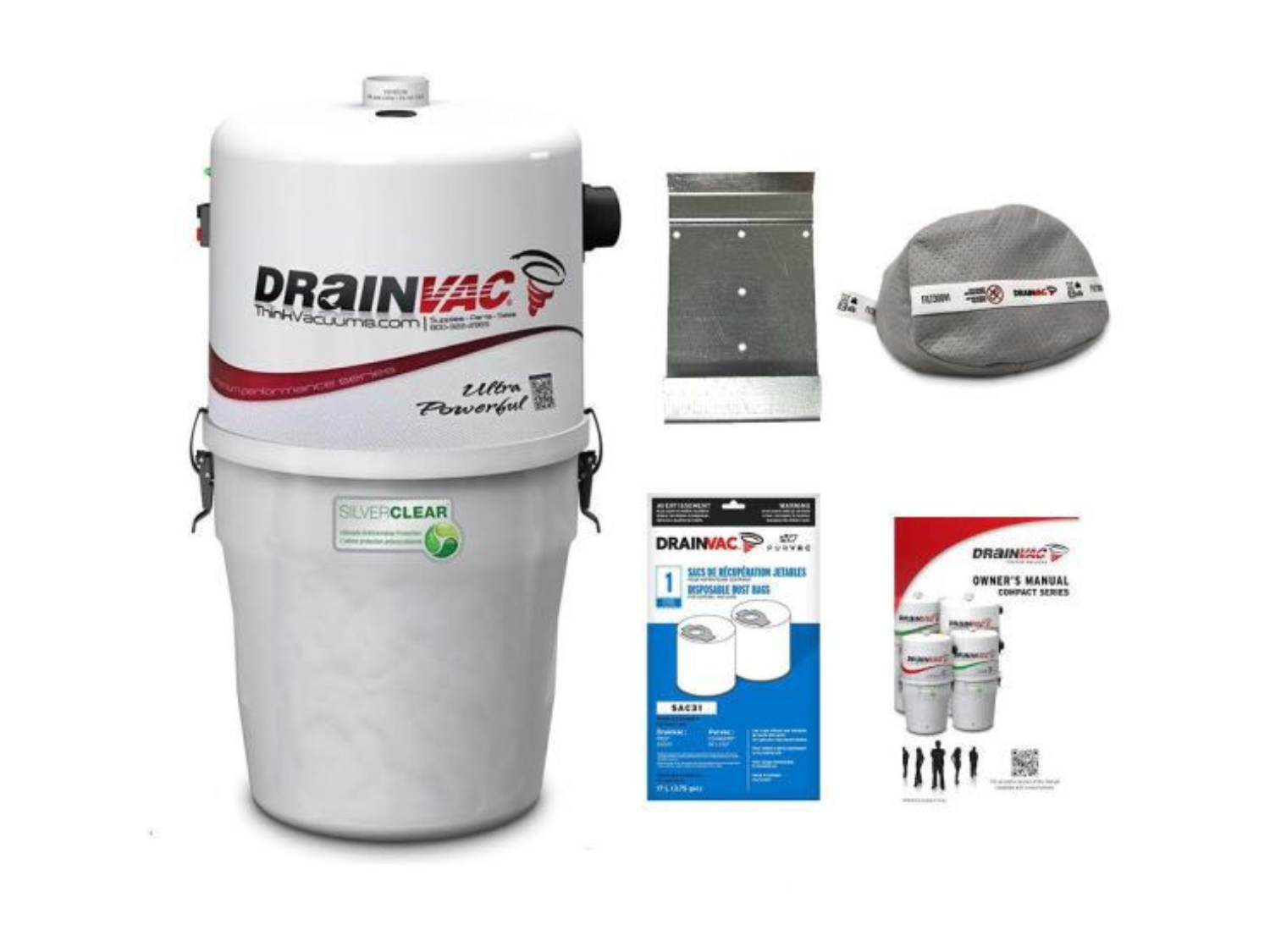
While we appreciate the convenience of portable vacuum cleaners, the permanence of central vacuum systems offers distinct advantages that can transform our cleaning routines.
Portable vacuums provide flexibility, allowing us to move easily from room to room. However, central vacuum systems deliver a more powerful and consistent cleaning experience without the hassle of lugging equipment around.
Their built-in design means we don’t have to worry about storage space or tangled cords. Plus, the superior filtration systems in central vacuums help improve indoor air quality, making them a healthier choice.
Ultimately, the choice between mobility and permanence hinges on our cleaning preferences and lifestyle, but the lasting efficiency of central vacuums is hard to overlook.
Installation Needs: Setting Up Your Vacuum System
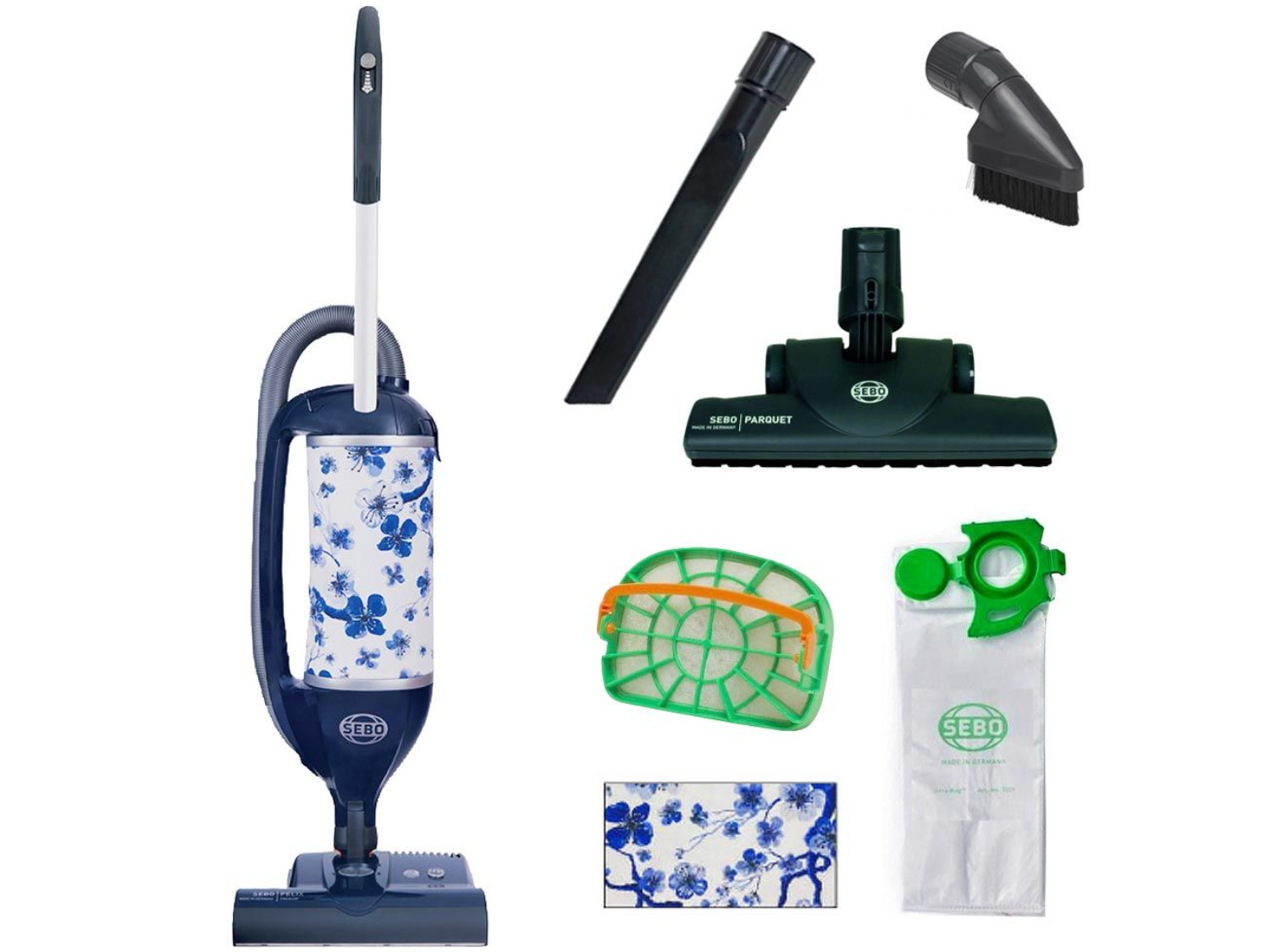
Choosing between portable vacuums and central vacuum systems brings us to the next important consideration: installation needs. Setting up a central vacuum system can be more involved compared to simply using a portable vacuum.
Here are three key aspects we should consider:
-
Location: A central vacuum unit needs a designated space, often in a basement or garage, requiring careful planning for pipe installation throughout the home.
-
Inlet Placement: We’ll need to determine the best locations for inlets in each room, ensuring accessibility and efficiency.
-
Professional Installation: Unlike portable models, central systems typically require professional installation, which can involve additional costs and time.
Maintenance: Keeping Your Vacuum in Top Shape
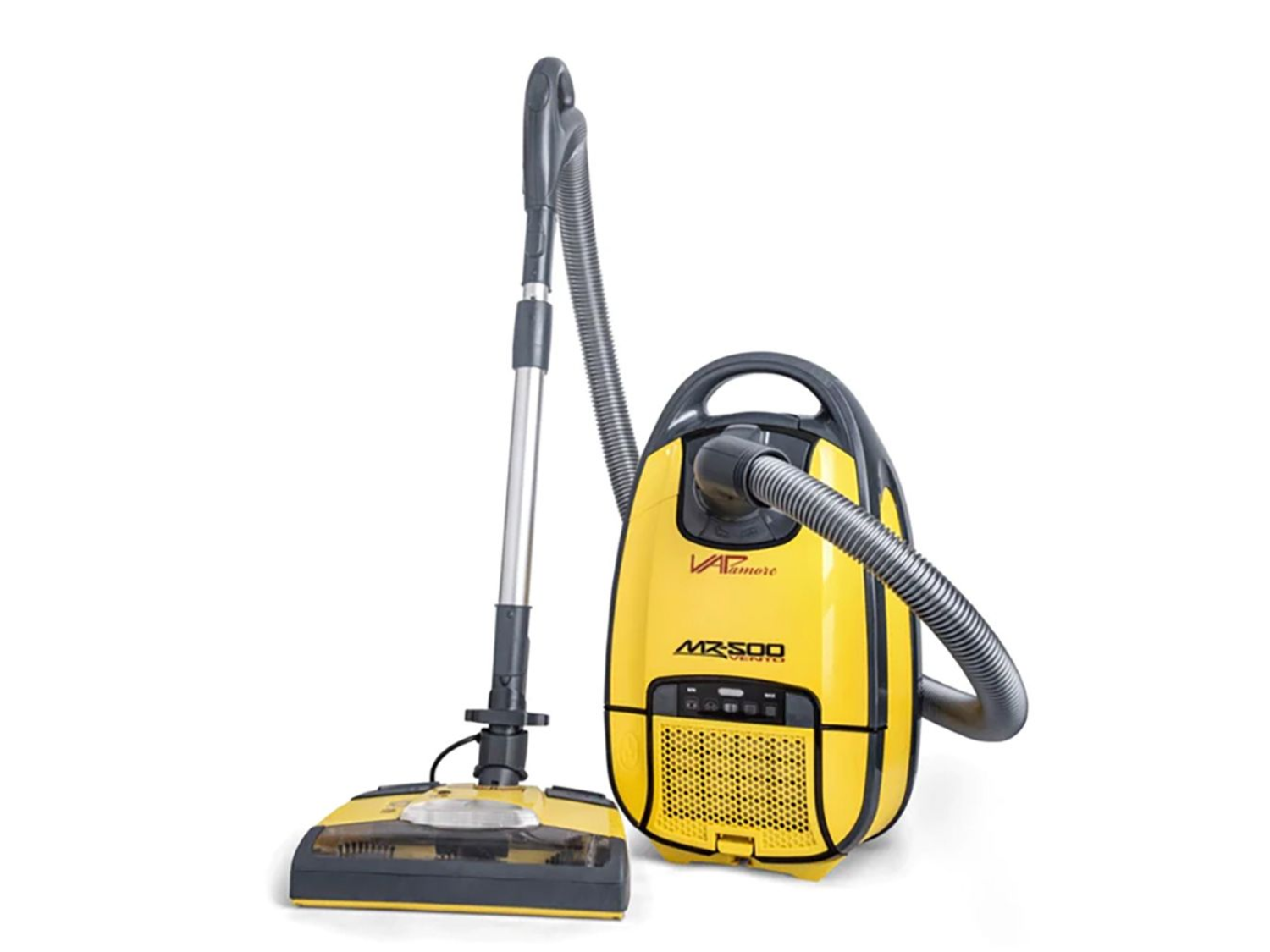
To keep our vacuum systems running smoothly, regular maintenance is essential.
For central vacuum systems, we should check filters and replace them as needed, typically every six months. It’s also vital to inspect the hoses and attachments for any wear or damage.
We can enhance our vacuum’s longevity by using quality attachment kits that suit our cleaning needs. These kits not only protect our furniture and floors but also guarantee compatibility across tools.
Additionally, we should clean out the power unit periodically to prevent clogs. By staying on top of these tasks, we’ll maintain peak performance and enjoy a cleaner environment without unnecessary hassle.
Let’s commit to a maintenance routine that keeps our vacuum in top shape!
Cleaning Power: Comparing Suction and Filtration Capabilities
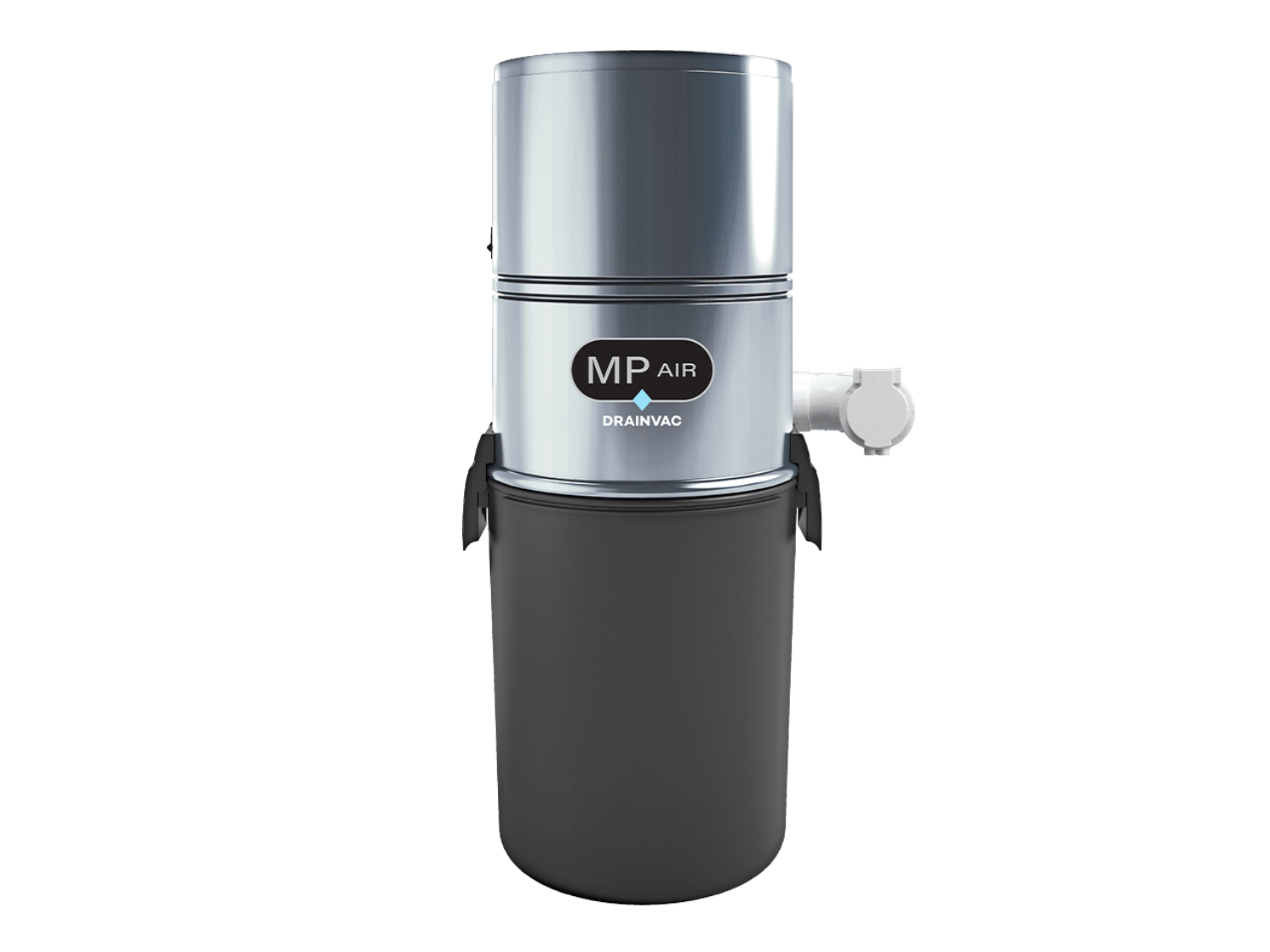
When we compare the cleaning power of vacuum cleaners and central vacuum systems, it’s essential to focus on their suction and filtration capabilities. Both options offer unique benefits, but let’s break down what sets them apart.
-
Suction Power: Central vacuum systems, like the Drainvac Little Giant, boast 717 air watts and 148 CFM, providing powerful suction across larger areas.
-
Filtration: Central systems often use HEPA filters, capturing 99.97% of particles, making them ideal for allergy sufferers.
-
Noise Levels: Central vacuums operate quietly at around 55 dB, while many traditional vacuum cleaners can be louder, making cleaning less disruptive.
Noise Levels: Which Is Quieter?
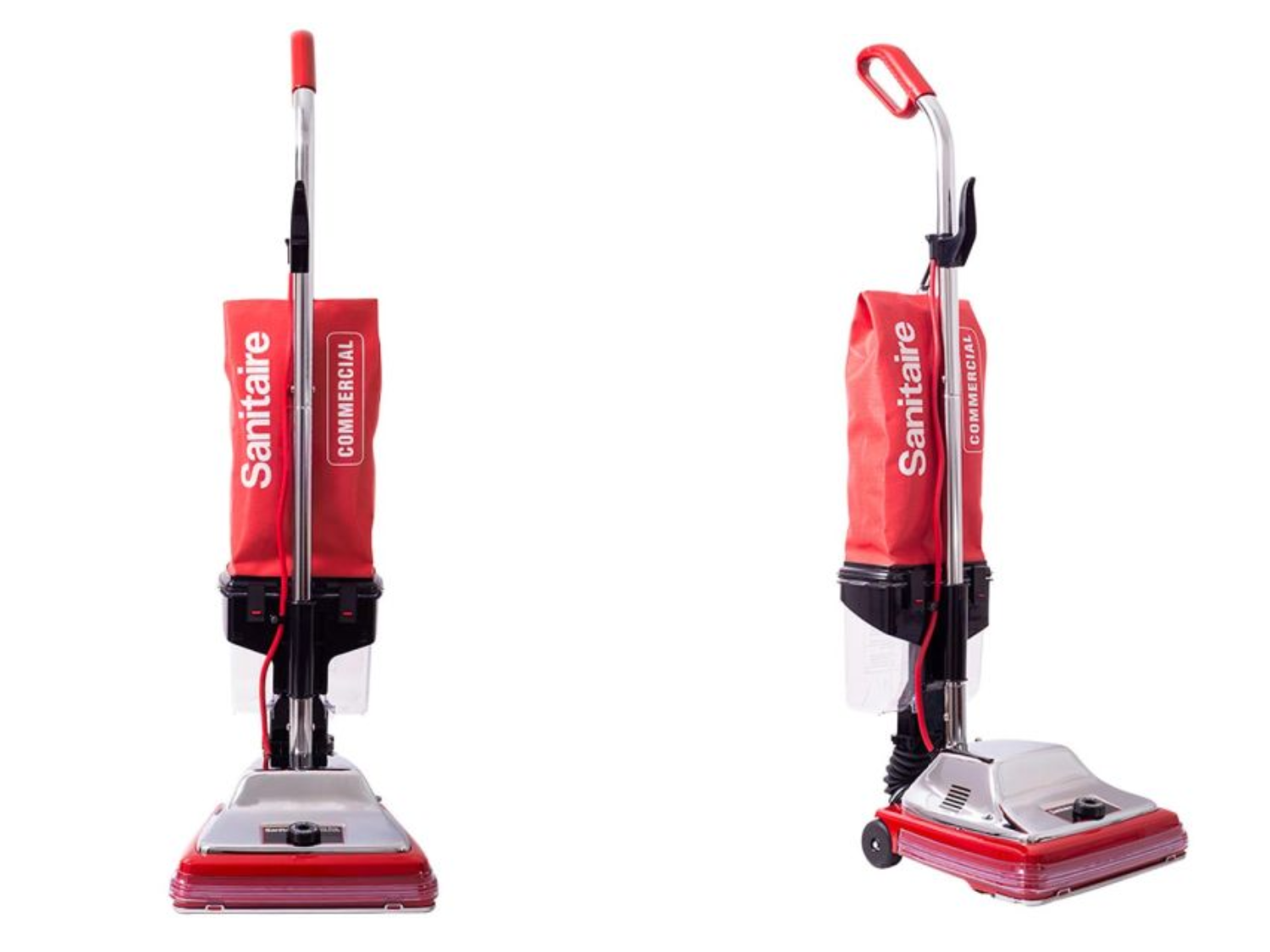
Although both vacuum cleaners and central vacuum systems serve the same purpose of keeping our spaces clean, their noise levels can differ markedly.
Typically, central vacuum systems operate more quietly, often around 66dB to 70dB, which is quieter than many traditional vacuum cleaners. For instance, the NuTone central vacuum runs at 66dB, making it a great choice for noise-sensitive environments.
In contrast, some upright vacuum cleaners can exceed 70dB, creating a more noticeable sound during operation.
This quieter performance from central systems can enhance our cleaning experience, allowing us to clean without disturbing others in our homes.
Budgeting for Your Vacuum: What to Consider
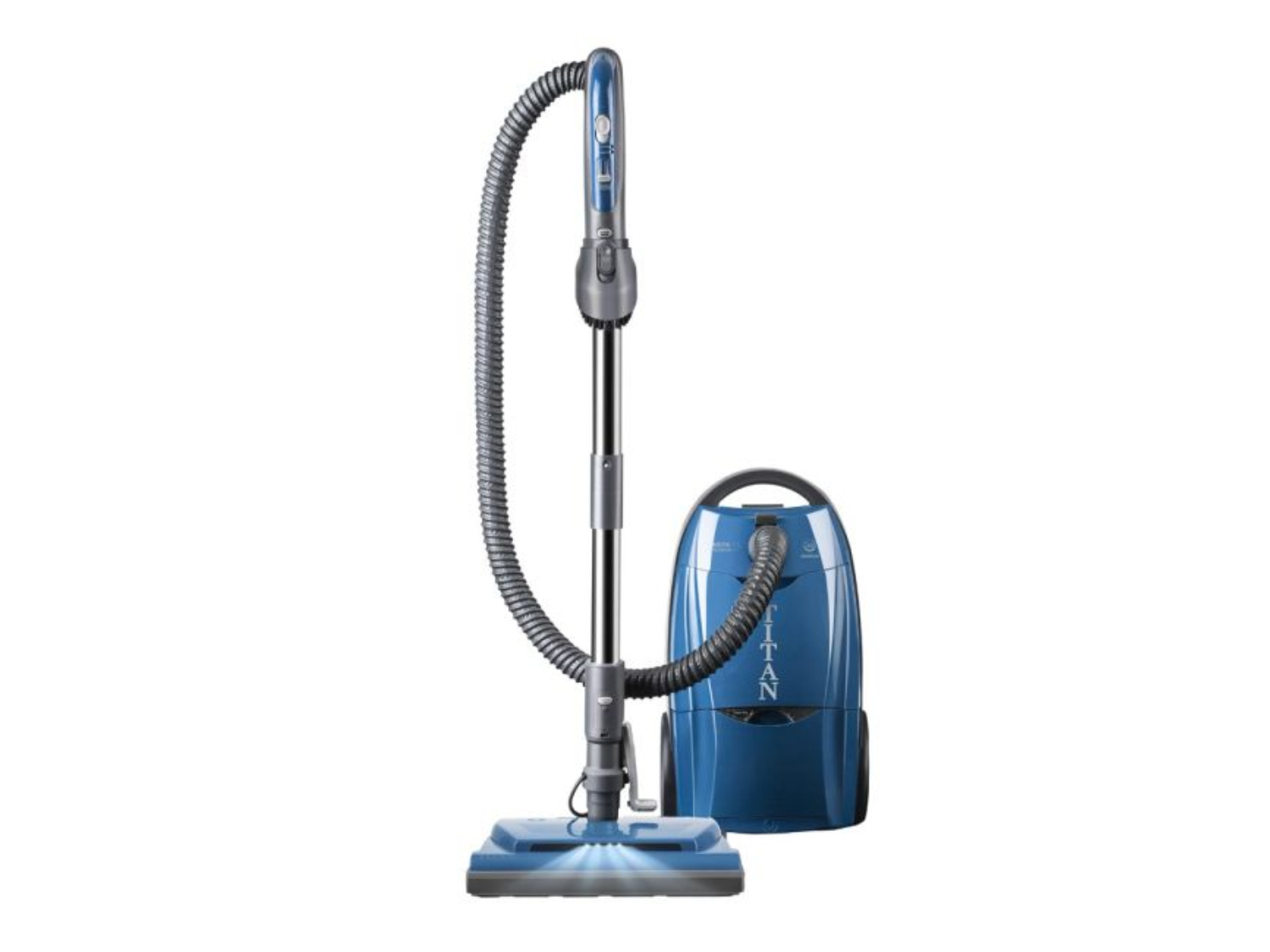
Finding the right vacuum involves more than just picking a model; it’s about aligning our choice with our budget. When we’re budgeting for a vacuum, there are a few key factors to evaluate:
-
Long-Term Investments: Assess the durability and maintenance costs. A higher upfront cost might save us money in repairs and replacements down the line.
-
Attachments and Accessories: Don’t forget to factor in the cost of necessary attachments. A quality combo kit can enhance our vacuum’s performance and longevity, making it a worthwhile investment.
Frequently Asked Questions
What Types of Surfaces Are Best Suited for Central Vacuum Systems?
Central vacuum systems excel on carpets, hardwood, tile, and upholstery. We find they’re especially effective for homes with multiple flooring types, ensuring deep cleaning across all surfaces while reducing allergens and improving air quality.
Can Central Vacuum Systems Handle Large Debris Effectively?
Absolutely, central vacuum systems can handle large debris effectively. Their powerful suction and larger dirt capacity allow us to tackle everything from pet hair to larger particles, making cleaning easier and more efficient for our homes.
How Much Space Is Needed for a Central Vacuum Installation?
For a central vacuum installation, we typically need about 100 to 150 square feet for the unit and ample space for piping. Planning guarantees efficient placement, maximizing performance throughout our home.
Are Central Vacuum Systems Compatible With Existing Home Designs?
Yes, central vacuum systems can fit into most existing home designs. We can customize installations to suit various layouts, ensuring effective cleaning while maintaining aesthetics. Let’s explore options tailored for your specific space!
What Is the Average Lifespan of a Central Vacuum System?
The average lifespan of a central vacuum system is around 20 to 30 years with proper maintenance. We should regularly check filters and hoses to guarantee it runs efficiently throughout its lifespan.
Conclusion
To sum up, choosing between vacuum cleaners and central vacuum systems really depends on our individual needs and preferences. While vacuum cleaners offer convenience and versatility, central systems provide powerful suction and quieter operation. By considering factors like installation, maintenance, and budget, we can make an informed decision that best fits our lifestyle. Ultimately, whether we opt for portability or permanence, both options can help us keep our homes clean and welcoming.
Note: Choosing the right vacuum cleaner is essential for maintaining a clean and healthy home. At Gator Vacuum, we carry a wide range of vacuum cleaners including upright, canister, cordless, bagged, and bagless models to fit every budget and cleaning preference.
Whether you need a vacuum for pet hair, hardwood floors, carpets, or commercial spaces, our collection includes trusted and high-performance options to help you clean with confidence.
Visit Gator Vacuum today and discover reliable vacuum solutions for every home.

 Arabic
 Français
 Español
 Português
 Deutsch
 Türkçe
 Dutch
Dutch
 Italiano
 Russian
 Romaian