


CNC Tool Material Impact on Cutting Performance Guide
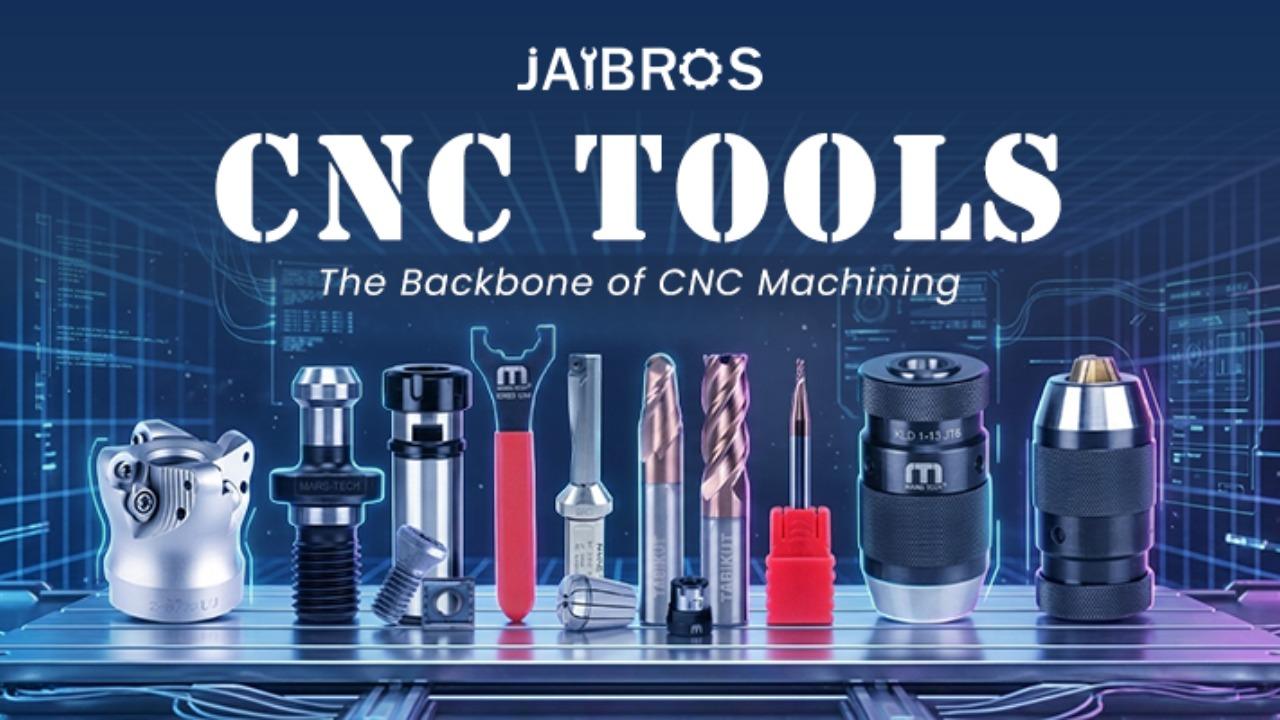
Learn how CNC tool material affects cutting speed, tool life, and machining efficiency. Choose the right tools for better performance and precision.
How CNC Tool Material Affects Cutting Performance
The material used to manufacture a machining or cutting tool affects how well the machining process goes and therefore should be an important factor when choosing a material for a tooling system, to maximize productivity, tooling life, and surface finish of parts. A material certification for a machining tool will list the machining tool's withstanding conditions to include heat, friction, and pressure. A machinist must understand how various materials will perform under varying degrees of heat, friction, and pressure in order to produce the best possible parts using these materials.
CNC tooling materials, specifically, become increasingly more important in a manufacturing area such as aerospace or automotive where there is a higher degree of pressure placed on providing consistent and error- free machined components than there is in other types of manufacturing. Therefore it is imperative that manufacturers utilize high quality CNC tooling in order to achieve the necessary quality requirements of the products produced as well as the continuing ability to manufacture products with a consistent and dependable level of performance.
Selecting the proper material for a machining tool will allow for increased stability, lower levels of tool wear, and increased cutting speed; hence it plays an important role in the success of a given machining process.
1. Importance of Tool Material in Machining Performance
Tool material determines how effectively a tool can cut, resist heat, and maintain its shape during operations. In cnc machine tools, cutting tools are exposed to extreme conditions, including high temperatures and mechanical stress.
Key factors influenced by tool material:
-
Hardness: Helps in cutting tough materials without deformation
-
Wear resistance: Extends tool life and reduces downtime
-
Toughness: Avoids chipping or breaking under pressure
Different cnc tool types are designed using materials like high-speed steel, carbide, ceramics, and coated alloys. Each material offers unique benefits depending on the application.
2. Common CNC Tool Materials and Their Impact
Understanding the most commonly used materials helps in selecting the right tool for specific machining needs.
a) High-Speed Steel (HSS):
-
Cost-effective and versatile
-
Suitable for low-speed operations
-
Lower heat resistance compared to advanced materials
b) Carbide Tools:
-
Highly durable and heat-resistant
-
Ideal for high-speed cutting
-
Widely used in cnc tools for precision machining
c) Ceramic Tools:
-
Excellent for high-temperature applications
-
Used for hard materials like cast iron
-
Less tough but extremely heat resistant
d) Coated Tools:
-
Enhanced performance with surface coatings
-
Reduced friction and longer tool life
-
Common in advanced cnc machine tools setups
The use of Carbide drills is especially popular in industries requiring deep hole drilling and high accuracy. These tools provide better wear resistance and maintain cutting efficiency over longer periods.
3. How Material Affects Cutting Speed and Efficiency
Cutting speed and efficiency are directly influenced by the tool’s material composition. Harder materials allow higher speeds, while softer materials may require slower operations.
Impact on performance:
-
Higher cutting speeds: Carbide-based cnc tool types allow faster machining
-
Reduced cycle time: Better material leads to quicker production
-
Improved surface finish: Stable cutting edges produce smoother results
-
Lower tool wear: Durable materials reduce frequent replacements
In cnc machine tools, selecting the right material ensures optimal balance between speed and accuracy. For example, Carbide drills perform exceptionally well in high-speed drilling compared to traditional options.
4. Role of Tool Holders and Stability
Even the best cutting material cannot perform well without proper support. The cnc tool holder plays a crucial role in maintaining stability and precision during machining.
Why tool holders matter:
-
Ensure proper alignment of cnc tools
-
Reduce vibration during cutting
-
Improve surface finish and accuracy
-
Extend tool life by minimizing stress
These sophisticated holders such as BT40 are common in contemporary cnc machines because they are rigid and precise. A good quality cnc holder guarantees that the cutter is effective and operates as expected.
Each type of cnc tool requires a suitable holder for maximum effectiveness. For example, carbide drills should be tightly held to prevent runout and provide accurate holes.
5. Selecting the Right Tool Material for Applications
Choosing the right material depends on the workpiece, machining conditions, and desired output.
Consider these factors:
-
Material of the workpiece: Hard metals require carbide or ceramic tools
-
Cutting speed requirements: High-speed operations need heat-resistant materials
-
Production volume: Durable materials are better for mass production
-
Machine capability: Compatibility with cnc machine tools is essential
Using the correct cnc tools not only improves performance but also reduces operational costs. Pairing them with the right cnc tool holder and systems like BT40 ensures consistent machining quality.
Different cnc tool types are optimized for specific tasks, and selecting the wrong material can lead to poor performance, increased wear, and higher costs.
Conclusion
The material used for the tools being cut is one of the key factors affecting the efficiency of the cutting operation. Everything about how efficient the process will be depends greatly on the material used for the cutting tool.
Knowledge of the importance of the material chosen plays an essential role in making the right choices regarding the type of cnc machines used in the manufacturing process. With the use of Carbide drills and a robust system such as the BT40 with a good cnc tool holder, excellent machining results are achieved. This is especially relevant for companies such as jaibros.
FAQs
Q1. Why is tool material important in CNC machining?
Tool material affects cutting speed, tool life, heat resistance, and overall machining efficiency.
Q2. Which material is best for high-speed machining?
Carbide is widely preferred due to its hardness and heat resistance.
Q3. What are the advantages of Carbide drills?
They offer longer tool life, better wear resistance, and improved precision.
Q4. How does a cnc tool holder impact performance?
It ensures stability, reduces vibration, and improves machining accuracy.
Q5. What is the role of BT40 in machining?
It provides a strong and precise connection between the tool and spindle, enhancing overall performance.

 Arabic
 Français
 Español
 Português
 Deutsch
 Türkçe
 Dutch
Dutch
 Italiano
 Russian
 Romaian