


From Circuits to Processor Design: Electronics and Computer Engineering Course Explained
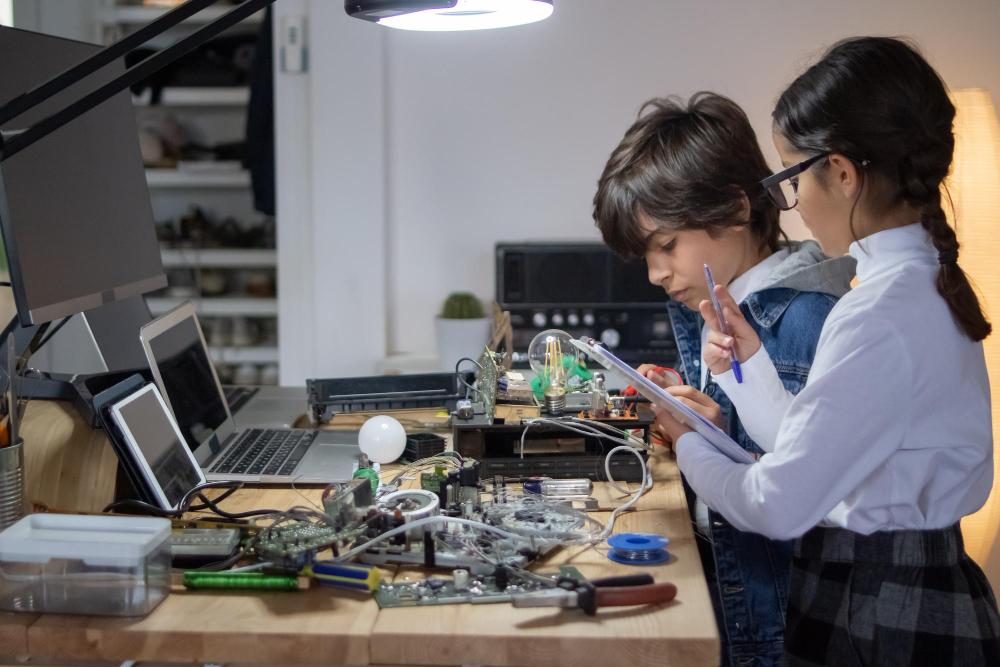
A few years back, chip shortages brought major industries to a standstill. Car manufacturers paused production lines. Laptop deliveries stretched into months. Behind all of it was a straightforward problem: the world did not have enough hardware engineers. The Electronics and Computer Engineering course is built around exactly the kind of knowledge those industries were desperately short of.
This degree goes well beyond screens and software. It covers how processors are architected, how electronic circuits are designed and where hardware meets software at the most fundamental level. That specific combination of skills is genuinely uncommon and sectors like semiconductors, defence electronics and automotive engineering have been chasing it for years.
What Is an Electronics and Computer Engineering Course?
The Electronics and Computer Engineering course is a programme that trains students in both electronic systems and computing hardware. The focus is on how electronic components and computing systems work together, covering circuit design, processor architecture, embedded systems and hardware-software interfacing.
This is not a software development degree. The computing side of the course is rooted in hardware, covering how processors are designed, how digital systems are built and how software interacts with physical circuits at the lowest level.
How It Is Different from Core ECE
Electronics and Communication Engineering focuses on signal transmission, communication networks and both analogue and digital signal processing. In contrast, Electronics and Computer Engineering is also based on electronics, shifting the emphasis from communication to areas like computer architecture, microprocessor design and digital system engineering.
The result is a programme built for engineers who want to work at the intersection of circuits and computing hardware, not communications infrastructure.
B.Tech. Electronics and Computer Engineering Course - Structure and Eligibility
The B.Tech. Electronics and Computer Engineering course is a four-year undergraduate programme structured across eight semesters. Admission requires completion of Class 12 with the following subjects -
-
Physics
-
Chemistry
-
Mathematics
A valid score in JEE Main, JEE Advanced or a relevant state-level engineering entrance examination is also required. Most institutions set a minimum of 50 to 60 per cent marks in Class 12, though cut-offs vary by college and reservation category.
Programme Format
The degree follows a credit-based semester system. Initial semesters establish foundational knowledge in electronics and digital systems. Later semesters shift toward advanced hardware engineering, processor design, embedded programming and a substantial final-year project. Internship components are often embedded directly into the programme structure.
Core Subjects in the Electronics and Computer Engineering Course
The curriculum covers three main areas- electronics, computer engineering and advanced specialisations.
Electronics and Circuit Fundamentals
Early semesters concentrate on analogue circuits, digital logic design, electronic devices and signal processing. These provide the hardware base that all later subjects build upon.
Computer Engineering Core Subjects
This section distinguishes the programme from a standard ECE degree. Core subjects in this area include-
-
Computer organisation and architecture
-
Microprocessors and microcontrollers
-
Digital system design
-
Hardware-software interfacing
-
Logic design and switching theory
Advanced and Specialisation Subjects
Upper semesters introduce VLSI design, embedded systems, real-time operating systems, IoT engineering and communication systems. Some institutions offer electives in SoC design, hardware security and automotive electronics.
Practical Training and Lab Work
Laboratory work forms a core part of the B.Tech. Electronics and Computer Engineering course. Students spend significant hours working with both simulation environments and physical hardware throughout the programme.
Final-year projects typically involve building functional systems such as processor-controlled embedded modules, hardware verification setups or IoT-integrated prototypes, with direct relevance to industry hiring requirements.
Industry Tools and Software Covered
-
MATLAB for signal and system simulation
-
Keil and Proteus for embedded system development
-
Verilog and VHDL for digital circuit and processor design
-
Arduino and Raspberry Pi for hardware prototyping and testing
Career Scope After the Electronics and Computer Engineering Course
Career opportunities after this programme span hardware design, embedded engineering, processor development and defence technology, sectors that specifically value the hardware-computing hybrid expertise this degree builds.
Hardware and Embedded System Roles
Graduates commonly enter roles such as -
-
Embedded software engineer
-
VLSI design engineer
-
PCB layout designer
-
Hardware test and verification engineer
-
Firmware developer
These positions are in active demand at semiconductor companies, automotive electronics firms and consumer hardware manufacturers.
Computer Engineering and Processor Design Roles
This is a career track that few other undergraduate programmes prepare students for as directly. Roles in this space include processor architect, SoC design engineer, hardware verification engineer and digital design engineer. Companies working in chip design, computing platforms and FPGA development are key employers.
Government and Defence Sector
Organisations like DRDO, ISRO, BEL and BSNL hire electronics and computer engineering graduates for jobs in defence electronics, satellite systems and national communication networks. These roles provide long-term job security and challenging technical work.
Conclusion
An Electronics and Computer Engineering course is a demanding programme focused on the hardware side of electronic systems and computing hardware. Students pursuing this course are guaranteed to gain technical expertise in everything from basic electronic circuit design and digital system engineering to processor design and embedded systems development.
Any students seriously committed to a career in hardware engineering, starting from chip design to defence electronics, will find this course to be an excellent launch pad.

 Arabic
 Français
 Español
 Português
 Deutsch
 Türkçe
 Dutch
Dutch
 Italiano
 Russian
 Romaian