


The Great American Snack Shift: How Functional Innovation & M&A Are Powering a $25.5 Billion Market
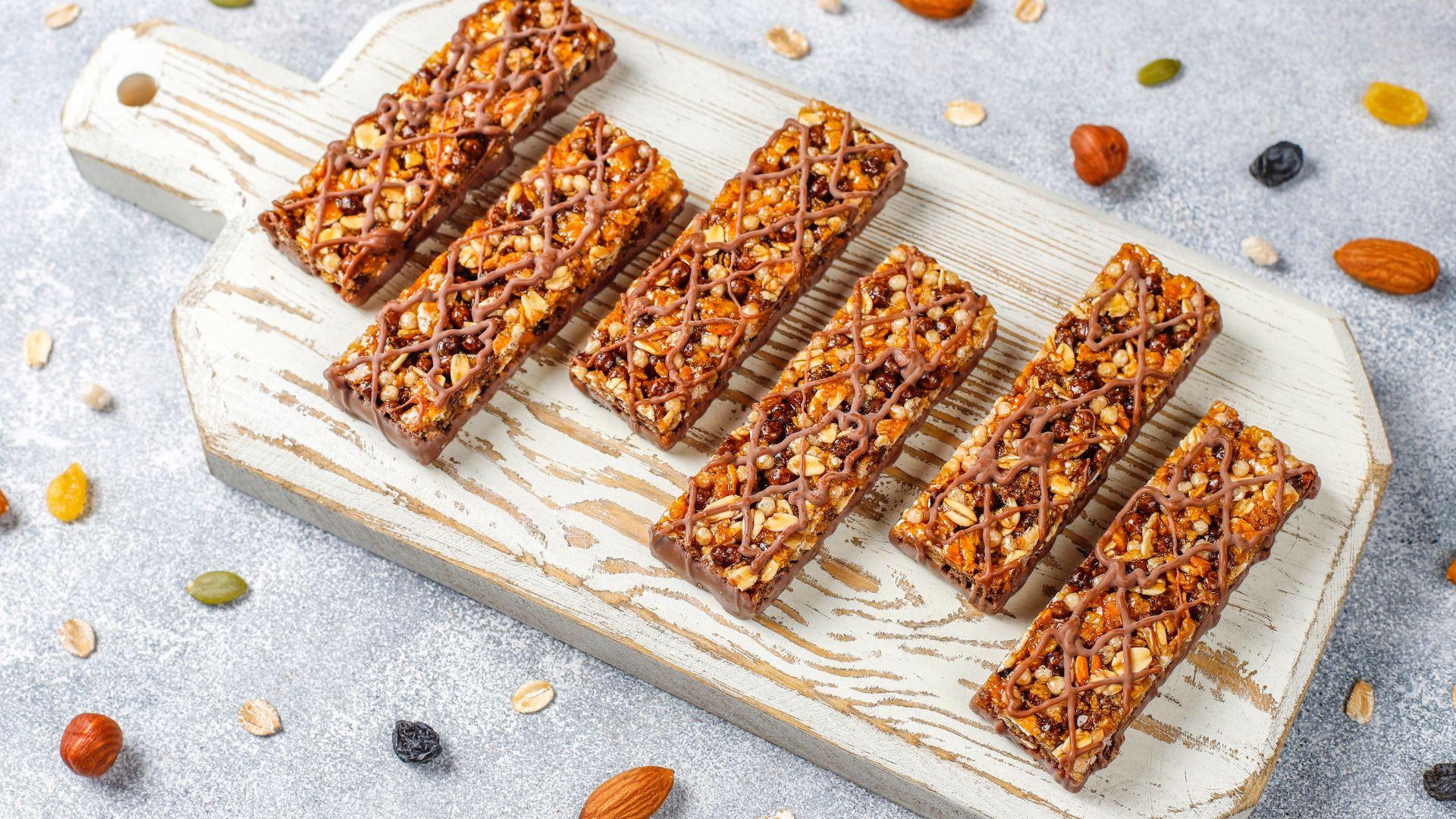
The On-the-Go Fueling Revolution
Not too long ago, a snack bar was little more than a crumbled block of pressed oats and brown sugar syrup, hastily eaten in the car on the way to work or stuffed into a school lunchbox as a sweet treat. Today, step into any grocery aisle, convenience store, or airport kiosk from Toronto to Texas, and you will encounter a starkly different scene.
What used to be a simple, sweet impulse buy has evolved into an engineered, nutrient-dense powerhouse. Modern consumers no longer view snack bars merely as quick hold-overs between meals; they rely on them as liquid-alternative meal replacements, post-workout recovery tools, metabolic boosters, and functional health supplements.
Driven by relentless lifestyle acceleration, expanding fitness cultures, and an uncompromising demand for "clean-label" transparency, the North American Snack Bar Market is undergoing a profound structural shift. According to comprehensive market data from Renub Research, the market—valued at US$ 13.20 billion in 2025—is on a fast track to hit US$ 25.58 billion by 2034.
This compounding dynamic is not happenstance; it represents the intersection of aggressive CPG (Consumer Packaged Goods) consolidation, manufacturing innovation, and changing human behavior.
       NORTH AMERICAN SNACK BAR MARKET GROWTH

  $30B +--------------------------------------------------+ $25.58B
       |                                                / |
  $25B |                                             /    |
       |                                          /       |
  $20B |                                       /          |
       |                                 /                |
  $15B | $13.20B                   /                      |
       |  (2025)             /                            |
  $10B +--------------------------------------------------+
         2025  2026  2027  2028  2029  2030  2031 ...  2034
Deconstructing the Market: What Is Driving the Surge?
To understand why a mature packaged food category is growing at over 7.6% annually, one must look at the convergence of three heavy-hitting market forces: corporate consolidation, the mainstreaming of high-protein nutrition, and a revolution in domestic co-manufacturing flexibility.
1. Corporate Consolidation & Strategic M&A
Global food conglomerates are no longer content watching nimble, health-first startups steal market share from traditional confectionery lines. Instead, they are deploying capital aggressively to acquire established, functional snack brands with loyal consumer followings.
-
Ferrero Group’s Strategic Expansion: In early 2025, confectionery giant Ferrero Group made waves across the industry by acquiring the protein-centric snack brand Power Crunch from Bio-Nutritional Research Group. Building on its previous acquisitions of FULFIL and Eat Natural, Ferrero instantly bolstered its U.S. presence, tapping into Power Crunch’s specialized wafer-protein technology and strong retail footprint.
-
Post Holdings Elevates Active Nutrition: Simultaneously, Post Holdings finalized its acquisition of PowerBar and Musashi from Nestlé, absorbing them into its Active Nutrition Group. By adding these legacy and international sports brands to a platform generating roughly $550 million in annual revenue, Post reinforced its market power across performance channels.
Key Takeaway: Major legacy CPGs are using mergers and acquisitions not just for volume, but to absorb specialized R&D—instantly acquiring clean-label formulations and loyal fitness demographics that would take years to build in-house.
2. The Mainstreaming of Sports Nutrition
High-protein and functional snacking are no longer confined to bodybuilders or elite endurance athletes. The average daily consumer now expects their mid-morning snack to help stabilize blood sugar, deliver high dietary fiber, support gut health, or supplement daily protein targets.
This shift has blurred the lines between sports supplements and everyday food. Manufacturers are leaning into scientific formulations, plant-based protein blends (such as pea, brown rice, and pumpkin seed), collagen infusions, and low-glycemic natural sweeteners to win over discerning shoppers who routinely scrutinize nutrition facts panels.
3. Co-Manufacturing Scale & Supply Chain Innovation
Behind the slick foil wrappers on retail shelves lies a quiet manufacturing revolution. As brand owners focus their capital on marketing, direct-to-consumer digital channels, and retail distribution, the physical work of making the bars increasingly falls on specialized co-manufacturers.
A key indicator of this trend was the merger of contract manufacturing powerhouses TruFood and Bar Bakers, rebranded as Tandem Foods. Operating eight state-of-the-art facilities across the United States, Tandem Foods offers the production footprint, high-speed line flexibility, and stringent quality controls necessary to launch cold-form, baked, and layered functional bars at scale. This domestic manufacturing backbone lowers the barrier to entry for breakthrough product formats and reduces time-to-market for major retailers expanding their private-label lines.
Industry Headwinds: Squeezed Margins and Shelf Space Battles
Despite impressive topline projections, the North American snack bar ecosystem is not without severe operational friction. Brand managers and supply chain directors must navigate two primary obstacles:
+-----------------------------------------------------------------------+
|                        PRIMARY MARKET CHALLENGES                      |
+----------------------------------------------------+------------------+
| 1. Volatile Input & Ingredient Costs               | IMPACT LEVEL     |
|    - Weather extremes impact oats, cocoa, and nuts | High             |
|    - Inflationary pressures on whey and sweeteners | High             |
|    - Elevated packaging and cold-chain logistics   | Moderate         |
+----------------------------------------------------+------------------+
| 2. Hyper-Saturation & Retail Shelf Warfare         | IMPACT LEVEL     |
|    - Fight for eye-level grocery placement         | Severe           |
|    - Low consumer brand loyalty / high trial rate  | High             |
|    - Increased regulatory scrutiny on health claims| Moderate         |
+----------------------------------------------------+------------------+
Raw Material Volatility
The core ingredients of premium snack bars—tree nuts, organic oats, whey protein isolates, cocoa butter, and specialized prebiotic fibers—are highly susceptible to agricultural volatility, climate-driven crop yields, and global trade shifts. When cocoa prices spike or whey production tightens, margins compress rapidly. Larger corporate players can hedge raw materials or negotiate volume discounts, but smaller clean-label brands are often forced to choose between shrinking their margins or risking consumer pushback by raising retail prices.
Intense Category Saturation
Walk down the snack aisle of a modern supermarket, and you will witness an intense war for eye-level shelf space. With hundreds of SKUs competing across protein, keto, paleo, vegan, and gut-health claims, brand switching is exceptionally high. Consumers willingly try new brands based on attractive packaging or trendy ingredient claims. To maintain market share, companies are forced to continually spend on aggressive trade marketing, limited-edition seasonal flavors, and costly slotting fees.
Regional Breakdown: How North American Markets Compare
The North American market is far from a monolith. Regional consumer habits, economic conditions, and distribution infrastructure shape distinct market profiles across the United States, Canada, and Mexico.
🗺️ The United States: The Functional Powerhouse
The U.S. remains the anchor of the North American industry, characterized by ultra-convenient retail ecosystems, high disposable income, and a deep-seated culture of micro-snacking.
U.S. consumers lead the charge in demanding high-protein (often 20g+ per bar), low-sugar, and keto-friendly options. The presence of sprawling mass-merchandisers (like Target and Walmart), nationwide club stores, direct-to-door e-commerce subscriptions, and specialized fitness chains ensures that a new snack bar innovation can achieve multi-channel saturation very quickly.
🇨🇦 Canada: Clean Labels & Eco-Conscious Formulations
Canadian consumers mirror U.S. demand for convenience, but show a heightened preference for organic, non-GMO, locally sourced, and environmentally sustainable products.
Plant-based protein bars made from hemp, pea, and oat bases do exceptionally well in urban centers such as Toronto, Vancouver, and Montreal. Furthermore, Canadian shoppers place high value on fully recyclable or compostable packaging, pushing manufacturers operating in this territory to innovate not just with the food inside, but with the wrapper itself.
🇲🇽 Mexico: Urbanization, Heritage Flavors, & Modernization
Driven by rapid urbanization, a expanding middle class, and busy municipal lifestyles, Mexico represents a dynamic growth market for cereal and energy bars.
While international brands have established a firm presence in modern supermarket chains and convenience outlets like OXXO, success in Mexico often hinges on flavor localization. Formulations incorporating native ingredients—such as amaranth, cacao, pumpkin seeds (pepitas), and natural tropical fruits—resonate strongly. As fitness culture takes root among younger urban demographics, the demand for affordable, protein-fortified bars is climbing steeply.
Product & Distribution Matrix
Understanding the market requires analyzing how different product variants and retail channels contribute to overall volume:
Snack Bar Formulations
-
Granola & Muesli Bars: The classic baseline category. While mature, these bars remain dominant in family and kids' lunchbox segments due to affordability and familiar taste profiles.
-
Nutrition & Protein Bars: The fastest-growing engine of the market. Formulated specifically to deliver high macronutrient profiles, these command higher price points and premium margin structures.
-
Energy Bars: Targeted at endurance, outdoor, and fast-paced lifestyle needs, relying on balanced complex carbohydrates and natural stimulants like green tea extract or caffeine.
-
Fruit & Nut / Cereal Bars: Popular among clean-label purists looking for short, recognizable ingredient lists (e.g., "just dates, nuts, and sea salt") or quick breakfast alternatives.
       TYPICAL RETAIL DISTRIBUTION BREAKDOWN

       [Supermarkets / Hypermarkets]  ===========================> ~45%
       [Convenience Stores]           =====================> ~30%
       [Online / E-Commerce]          =============> ~15%
       [Specialty / Gyms / Others]    =======> ~10%
Industry Innovation Drivers: Breaking Traditional Boundaries
A defining feature of the current landscape is how companies are boldly testing product boundaries to unlock new eating occasions. Product developers are constantly asking: How can we blur the lines between categories to surprise the consumer?
Crossing into Liquid Nutrition
In March 2025, Simply Good Foods pushed the boundaries of the traditional protein bar by launching Quest Protein Milkshakes, packing an impressive 45 grams of protein into a convenient liquid format. Realizing that busy consumers sometimes experience "chew fatigue" from dense, ultra-concentrated protein bars while driving or multitasking, Simply Good Foods expanded directly into ready-to-drink (RTD) liquid nutrition—demonstrating how bar brands can seamlessly evolve into broader lifestyle platforms.
Leveraging Nostalgia in Kid-Friendly Snacking
That same month, General Mills took a radically different strategy by introducing the Nature Valley Trix Cereal Bar. Rather than chasing hyper-functional protein metrics, General Mills tapped directly into millennial nostalgia and family-friendly snacking. By transforming a beloved morning cereal brand into a portable, lunchbox-ready bar, they proved that taste, brand familiarity, and emotional connection remain powerful growth drivers alongside the functional health movement.
The Rise of Hybrid Energy-Protein Formulations
Further blurring product boundaries, Simply Good Foods unveiled the Quest Overload Bar in February 2025. Combining a massive 45-gram protein payload with added functional caffeine, this hybrid bar targets both pre-workout stimulation and post-workout muscle recovery in a single package. Innovations like these cater to consumers who want to streamline their supplement routines into a single, highly efficient snack.
+---------------------------------------------------------------------------------+
|                    RECENT INDUSTRY DEVELOPMENTS AT A GLANCE                     |
+---------------+---------------------+-------------------------------------------+
| DATE          | COMPANY             | INNOVATION HIGHLIGHT                      |
+---------------+---------------------+-------------------------------------------+
| March 2025    | Simply Good Foods   | Quest Protein Milkshakes (45g Protein)    |
| March 2025    | General Mills       | Nature Valley Trix Cereal Bar             |
| February 2025 | Simply Good Foods   | Quest Overload Bars (Protein + Caffeine)  |
| January 2025  | Ferrero Group       | Acquired Power Crunch (Bio-Nutritional)   |
| January 2025  | Post Holdings       | Acquired PowerBar & Musashi from Nestlé   |
| Early 2025    | Tandem Foods        | Rebranded merger of TruFood & Bar Bakers  |
+---------------+---------------------+-------------------------------------------+
Competitive Landscape: The Titans Shaping the Market
The North American snack bar industry features a rich blend of global packaged-food giants, dedicated health-and-wellness conglomerates, and nimble direct-to-consumer innovators. Winning in this space requires robust capital, agile supply chains, and multi-channel marketing strategies.
+-----------------------------------------------------------------------------------+
|                        KEY COMPETITIVE PLAYERS ANALYZED                           |
+----------------------+----------------------+-------------------------------------+
| COMPANY              | CORE STRENGTH        | STRATEGIC FOCUS                     |
+----------------------+----------------------+-------------------------------------+
| Abbott Laboratories  | Medical & Clinical   | Science-backed, low-sugar (ZonePath)|
| General Mills Inc.   | Mass Distribution    | Household brands (Nature Valley)    |
| Kellogg Company      | Cereal Heritage      | Grain & morning bars (Special K)    |
| Mars Incorporated    | Confectionery Power  | Indulgent functional (KIND Snacks)  |
| Mondelēz Int.        | Global Snacking      | Better-for-you (Perfect Bar)        |
| PepsiCo Inc.         | Sports Nutrition     | Athlete recovery (Gatorade Bars)    |
| GoMacro LLC          | Organic & Vegan      | Clean-label, plant-based purity     |
| Core Foods           | Refrigerated Fresh   | Probiotic & whole-food snacking     |
| Jamieson Wellness    | Health Supplements   | VMS integration & Canadian reach    |
+----------------------+----------------------+-------------------------------------+
-
Mars Incorporated: Through its ownership of KIND Snacks, Mars remains a dominant force in the fruit, nut, and clean-label space, constantly innovating with low-sugar and dark chocolate formulations.
-
Mondelēz International: By acquiring majority stakes in brands like Perfect Bar (pioneering the refrigerated, fresh-protein bar segment) and Grenade, Mondelēz has successfully diversified its biscuit-heavy portfolio into high-growth, functional chill-cabin and fitness channels.
-
PepsiCo Inc.: Leveraging its formidable Gatorade ecosystem, PepsiCo commands strong market share in athletic fueling and muscle-recovery bars across mass retail and sporting venues.
-
General Mills & Kellogg Company: The undisputed titans of the traditional cereal and granola bar aisles, using massive distribution leverage, family pack sizing, and cross-category brand equity to capture everyday snacking occasions.
-
Specialized Clean-Label Leaders (GoMacro, Core Foods): Nimble brands driving sustainability, plant-based purity, raw organic ingredients, and refrigerated freshness, keeping pressure on the legacy industry players to clean up their ingredient decks.
Final Thoughts: The Road to 2034
As the North American snack bar market marches toward its US$ 25.58 billion milestone by 2034, one thing is abundantly clear: the definition of a "snack" has permanently changed.
The modern snack bar sits at the crossroads of convenience, personalized nutrition, and food technology. Moving forward, the brands that thrive will not merely offer convenient calories; they will deliver tailored, functional benefits—whether that means targeted gut-health probiotics, brain-boosting adaptogens, clean plant proteins, or low-glycemic metabolic support—without ever sacrificing on indulgent taste and texture.
For CPG executives, contract manufacturers, investors, and retail buyers, the message is plain: innovation speed and clean-label integrity are the ultimate currencies. As corporate giants continue to consolidate the space and co-manufacturers expand domestic capabilities, the North American snack bar market promises to remain one of the most dynamic, lucrative, and fiercely contested battlegrounds in the global food industry.

 Arabic
 Français
 Español
 Português
 Deutsch
 Türkçe
 Dutch
Dutch
 Italiano
 Russian
 Romaian