


How to Select Between Solid Rivets and Blind Rivets
Rivets are indispensable in various industries for their ability to create durable joints that withstand stress and vibration. Choosing the right rivet types depends on factors like material compatibility, joint strength, and accessibility. This article delves into solid rivets and blind rivets, aiding in selecting the most suitable option for diverse applications.
Understanding Solid Rivets and Blind Rivets:
Solid Rivets:
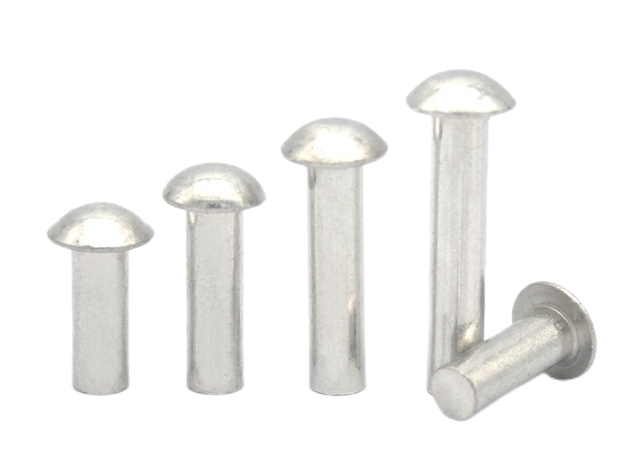
Solid rivets feature a cylindrical shaft with a head and tail. Installed by deforming with a hammer or rivet gun, they offer high strength and durability, ideal for extreme environments. However, they necessitate access to both sides of the material and specialized tools for installation.
Blind Rivets:
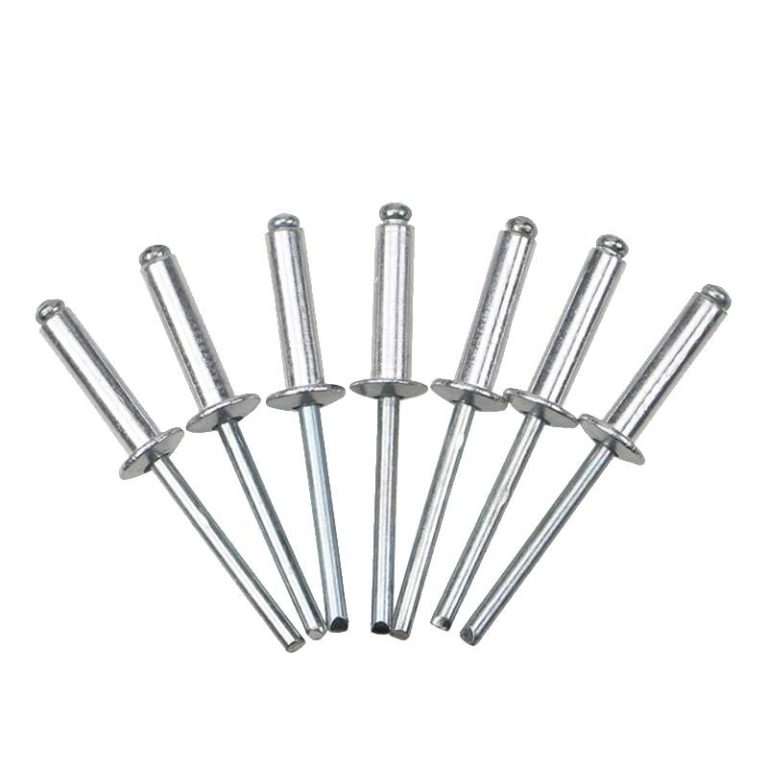
blind rivets, also known as pop rivets, are installed from one side, comprising a tubular body and mandrel. They expand upon installation, forming a head on the opposite side. Popular for their ease of installation and one-sided accessibility, blind rivets come in various materials and head styles.
Comparative Analysis:
Head Types and Shapes: While solid rivets have rounded or flat heads, blind rivets offer diverse options like dome, countersunk, and large flange heads.
Installation Methods and Tools: Solid rivets require tools for installation from both sides, whereas blind rivets can be installed from one side using simpler hand or pneumatic tools.
Material Compatibility and Strength: Solid rivets are typically stronger, crafted from materials like steel or titanium, while blind rivets offer versatility with materials such as aluminum, steel, stainless steel, and copper.
Joint Accessibility and Versatility: Solid rivets need access to both sides, posing a challenge in some cases. Blind rivets excel in limited-access applications and offer various lengths and diameters for versatility.
Cost and Availability: Solid rivets are generally pricier due to installation complexity, whereas blind rivets are more readily available and cost-effective.
Choosing Between Solid Rivets and Blind Rivets:
Consider factors such as material compatibility, joint strength, and accessibility. Solid rivets suit applications requiring high strength but demand access to both sides and specialized tools. Blind rivets are ideal for limited-access scenarios, offering easy installation and versatility in materials and head styles.
Conclusion:
Solid rivets and blind rivets each possess unique advantages and considerations. By understanding their differences and aligning them with specific application requirements, engineers and enthusiasts can make informed decisions, ensuring robust and reliable joints for diverse projects.

 Arabic
 Français
 Español
 Português
 Deutsch
 Türkçe
 Dutch
Dutch
 Italiano
 Russian
 Romaian