


Mastering Screen Printing: Techniques and Process Explained
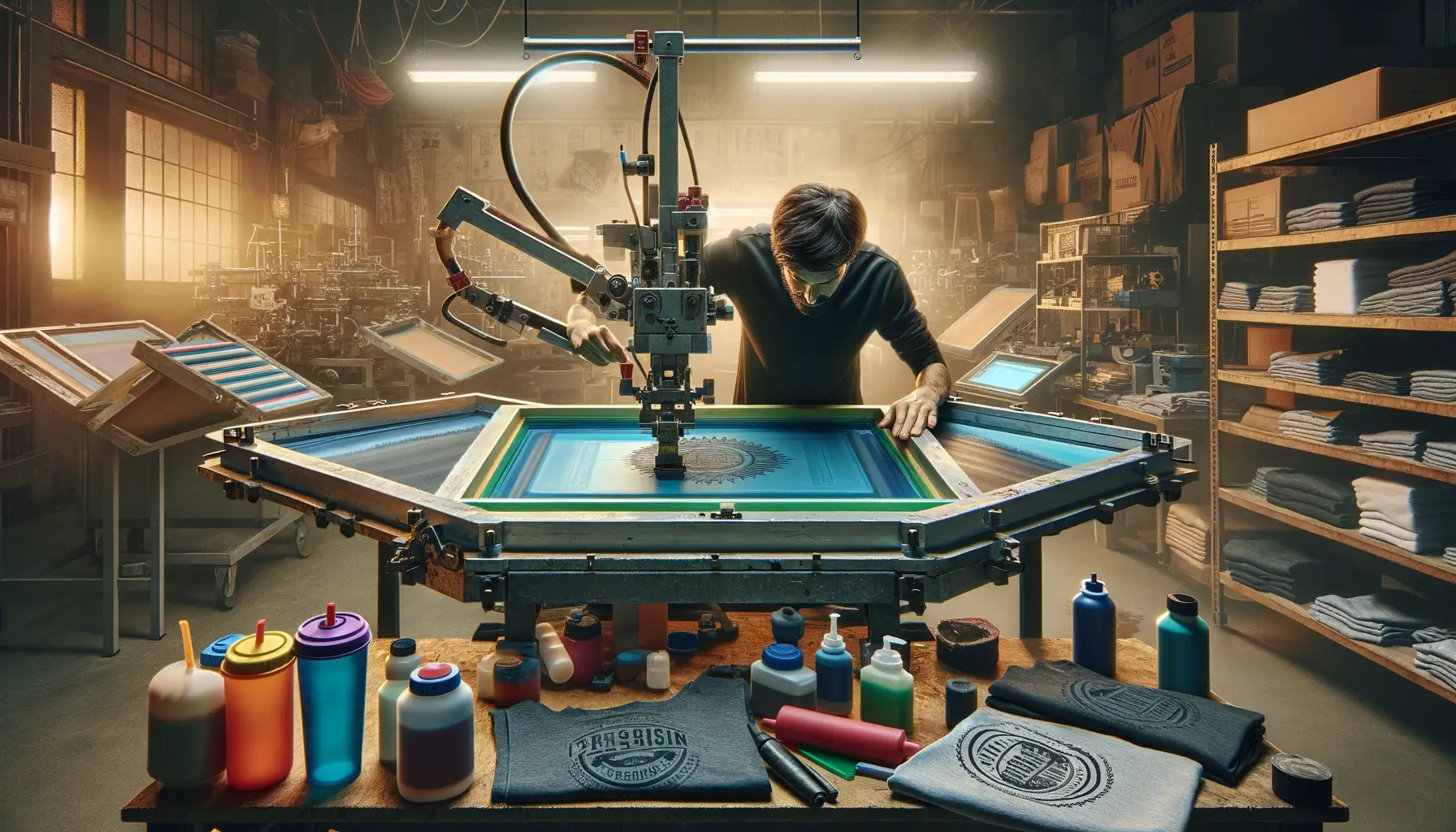
Screen printing is a versatile and vibrant printing technique that's been around for centuries. It has evolved significantly over time, adapting to the changing needs of artists and businesses alike. In this blog, we'll dive deep into the intricacies of the screen printing process and explore various screen printing techniques that make this art form unique and widely appreciated.
The Essence of Screen Printing
At its core, the screen printing process involves transferring ink onto a substrate (the surface to be printed on), except in areas made impermeable to the ink by a blocking stencil. A screen, which is a mesh stretched over a frame, is used to support the stencil. The mesh allows the ink to seep through and reach the substrate, creating a sharp-edged image due to the stencil blocking unwanted ink. The fundamental beauty of screen printing lies in its simplicity and the tactile quality it brings to the printed material.
Breaking Down the Screen Printing Process
The process of screen printing can be broken down into several detailed steps, each critical to ensuring the final print's quality and durability:
-
Design Creation: Everything starts with a design, which can be as simple or as complex as the project demands. This design is initially created on a transparent overlay such as acetate.
-
Screen Preparation: A mesh screen is selected and prepared; the finer the mesh, the more detailed the design can be. The screen is coated with a photosensitive emulsion, which will harden when exposed to light, creating the areas that will block the ink.
-
Exposure: The transparent overlay with the design is placed on the screen, and the setup is exposed to a strong light source. The areas of the screen not covered by the design harden, while the areas under the design stay soft.
-
Washing Out: The screen is then washed with water, clearing away the soft unhardened emulsion and leaving a precise stencil of the design.
-
Printing: Ink is then placed on the screen, and a squeegee is used to push the ink through the mesh and onto the substrate. The process can be repeated with different screens and colors to create multi-colored designs.
-
Curing: The printed material is then cured or dried, solidifying the ink and ensuring it adheres properly to the substrate.
Diverse Screen Printing Techniques
There are several techniques within the realm of screen printing, each offering a unique twist on the basic process:
-
Four-Color Process: This technique uses four screens (cyan, magenta, yellow, and black) to create a full spectrum of colors through overlapping dots. It's ideal for detailed and photorealistic designs.
-
Spot Color Printing: This is the most common technique, where each color in the design is applied using a separate screen. It's known for producing vibrant and accurate colors.
-
Halftone Printing: Used to simulate gradient and shading effects by varying the size and spacing of dots. This technique is great for adding depth to designs without additional colors.
-
Discharge Screen Printing: Involves using a special ink that removes the dye from the fabric, instead of adding color on top. It results in exceptionally soft prints on dark garments.
Conclusion
Screen printing is an art form that marries simplicity with endless creative possibilities. Whether you're creating custom apparel, posters, or any number of printed items, understanding the screen printing process and techniques is key to achieving standout results. With its rich history and continued innovation, screen printing remains a favorite among artists and businesses for its quality, durability, and the tactile experience it offers.

 English
 Arabic
 Français
 Español
 Português
 Deutsch
 Türkçe
 Dutch
Dutch
 Russian
 Romaian