


Unlocking Metaverse Technology: A Beginner's Guide
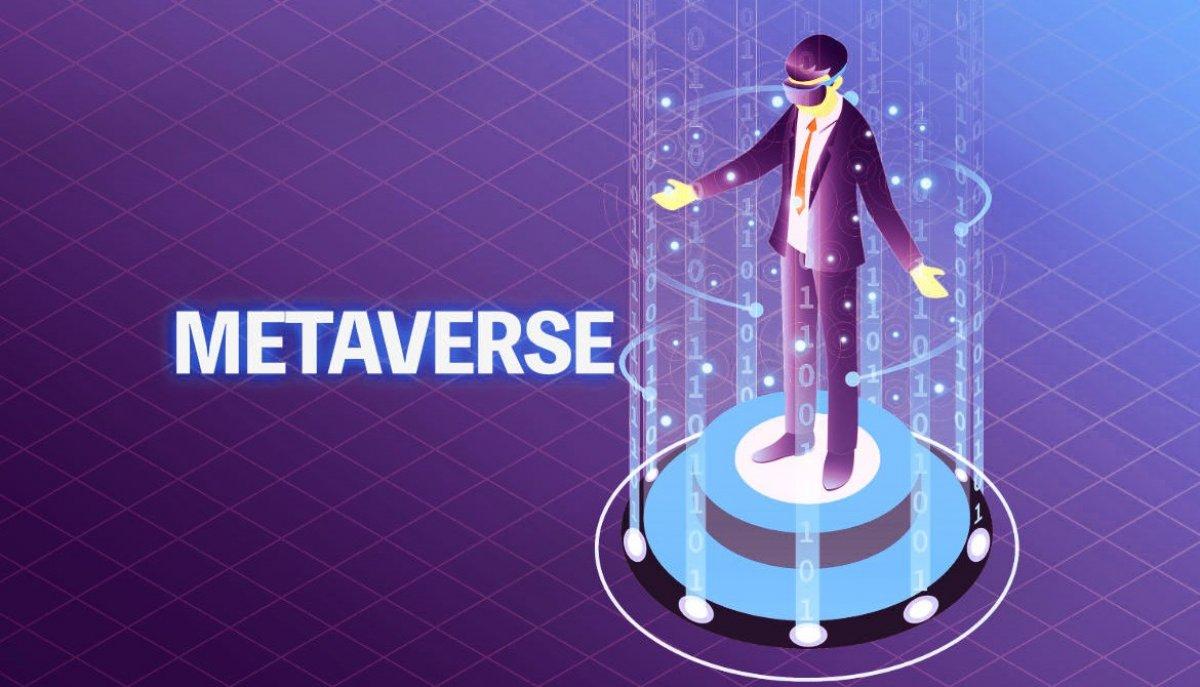
The metaverse is a term that has gained significant traction in recent years, often portrayed as the next big leap in digital transformation. For businesses and individuals alike, understanding metaverse technology is crucial as it offers unprecedented opportunities for innovation, engagement, and commerce. As a metaverse Analyzer and creator, I aim to provide a comprehensive beginner's guide to this revolutionary technology, its components, and its implications.
What is Metaverse Technology?
Currently the most hot topic which is searched and people are curious to know is “What is Metaverse”The metaverse is a collective virtual shared space, created by the convergence of virtually enhanced physical reality and physically persistent virtual space, including the sum of all virtual worlds, augmented reality, and the Internet. It is a vast, interconnected digital universe where users can interact, socialize, work, and play.
Key Components of the Metaverse
-
Virtual Reality (VR) and Augmented Reality (AR)
-
Virtual Reality creates immersive digital environments that completely replace the real world. Using VR headsets, users can explore these environments, interact with objects, and communicate with other users.
-
Augmented Reality overlays digital information onto the physical world, enhancing the user's perception of reality. AR can be experienced through smartphones, tablets, or AR glasses.
Blockchain and Cryptocurrency
-
Blockchain technology provides the backbone for decentralized virtual economies within the metaverse. It ensures secure, transparent, and immutable transactions.
-
Cryptocurrencies, like Bitcoin and Ethereum, are used for transactions within the metaverse, enabling the purchase of virtual goods, services, and real estate.
Artificial Intelligence (AI)
-
Metaverse AI enhances user experiences through intelligent virtual assistants, NPCs (non-playable characters), and automated processes. AI algorithms analyze user behavior to create personalized experiences and improve interaction within the metaverse.
Non-Fungible Tokens (NFTs)
-
NFTs are unique digital assets that represent ownership of virtual items, such as art, real estate, and collectibles. They provide proof of authenticity and ownership in the digital realm.
How Does Metaverse Technology Work?
Metaverse technology integrates various advanced technologies to create an interconnected digital ecosystem. Here's a simplified breakdown of how it works:
-
Digital Avatars: Users create avatars, which are digital representations of themselves, to navigate and interact within the metaverse.
-
Virtual Worlds: These are digital environments that can be explored and customized. They can range from simple virtual rooms to expansive, complex worlds.
-
Interoperability: Different platforms within the metaverse can interact and share data, allowing users to move seamlessly between virtual spaces.
-
Economy: The metaverse has its own economy, powered by cryptocurrencies and NFTs. Users can buy, sell, and trade virtual goods and services.
-
Social Interaction: Users can communicate with each other through voice, text, and gestures, fostering a sense of community and collaboration.
Applications of Metaverse Technology
The applications of metaverse technology are vast and varied, offering significant benefits to multiple industries:
-
Entertainment and Gaming
-
The gaming industry has been at the forefront of metaverse development. Games like Fortnite and Roblox offer immersive experiences where players can interact, create, and compete in virtual worlds.
-
Virtual concerts and events, such as Travis Scott's performance in Fortnite, have shown the potential of the metaverse to revolutionize entertainment.
Education and Training
-
Virtual classrooms and training simulations provide immersive learning experiences, making education more engaging and accessible.
-
Medical training, military simulations, and vocational training can benefit from realistic, risk-free virtual environments.
Retail and E-commerce
-
Virtual stores enable customers to browse and purchase products in a 3D environment, offering a more interactive shopping experience.
-
Brands like Gucci and Nike have already started exploring virtual storefronts and limited-edition digital products.
Work and Collaboration
-
Remote work and virtual offices are becoming more common, allowing teams to collaborate in a shared virtual space.
-
Companies like Microsoft and Facebook are developing virtual collaboration tools to enhance productivity and communication.
Social Networking
-
Virtual social platforms, such as VRChat and AltspaceVR, enable users to meet, socialize, and form communities in a digital space.
-
These platforms offer a sense of presence and immersion that traditional social media cannot match.
Metaverse Glossary: Key Terms to Know
To navigate the metaverse effectively, it's essential to understand metaverse glossary or some key terms:
-
Avatar: A digital representation of a user in the metaverse.
-
Virtual World: A digital environment that can be explored and interacted with.
-
NFT (Non-Fungible Token): A unique digital asset representing ownership of virtual items.
-
Blockchain: A decentralized ledger technology that underpins cryptocurrencies and virtual economies.
-
Cryptocurrency: Digital currency used for transactions within the metaverse.
-
Interoperability: The ability of different virtual platforms to interact and share data.
-
Virtual Real Estate: Digital property that can be bought, sold, and developed within the metaverse.
Ethics of AI in the Metaverse
As the metaverse continues to evolve, the role of AI in shaping user experiences becomes increasingly significant. However, the integration of AI also raises ethical considerations:
-
Privacy: AI systems in the metaverse collect and analyze vast amounts of user data. Ensuring user privacy and data security is paramount.
-
Bias: AI algorithms can perpetuate existing biases, leading to unfair treatment of certain users. Developers must work to create fair and unbiased AI systems.
-
Autonomy: Users should have control over their digital identities and interactions. AI should enhance, not undermine, user autonomy.
-
Transparency: The workings of AI systems should be transparent, allowing users to understand how their data is being used and how decisions are made.
We have discussed the ethics of AI in the metaverse and now we want to discuss the future of metaverse technology.
The Future of Metaverse Technology
The potential of metaverse technology is vast, and its future development will likely bring even more innovative applications. Here are some trends to watch:
-
Improved Accessibility: As technology advances, the metaverse will become more accessible to a broader audience, with more affordable VR and AR devices.
-
Integration with Real-World Activities: The line between the virtual and physical worlds will continue to blur, with more real-world activities being replicated or enhanced in the metaverse.
-
Enhanced Interoperability: Platforms will become more interconnected, allowing for a seamless transition between different virtual environments.
-
Expanded Virtual Economies: The growth of virtual economies will create new opportunities for businesses and individuals to generate income within the metaverse.
-
Ethical AI Development: Ongoing efforts to address ethical concerns will lead to more responsible and equitable AI systems in the metaverse.
Conclusion
Unlocking the potential of metaverse technology is an exciting journey that promises to transform various aspects of our lives. From gaming and entertainment to education and commerce, the metaverse offers new possibilities for innovation and interaction. By understanding the key components, applications, and ethical considerations of the metaverse, individuals and businesses can position themselves to thrive in this emerging digital frontier. As a metaverse specialist, I encourage you to explore, engage, and embrace the opportunities that metaverse technology presents.

 English
 Arabic
 Français
 Español
 Português
 Deutsch
 Türkçe
 Dutch
Dutch
 Italiano
 Russian