


Electric Combi Boiler Installation Requirements Explained
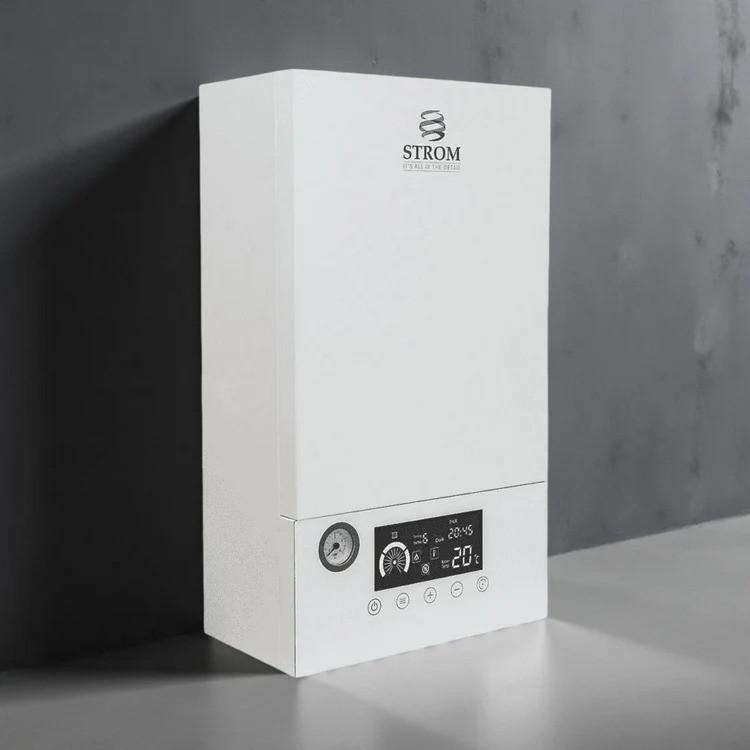
Installing an electric combi boiler is a practical solution for homeowners looking for efficient heating and hot water without the need for a gas supply. These compact systems are ideal for modern homes, apartments, and properties off the gas grid. However, installing an electric combination boiler isn’t as simple as just replacing an old boiler. Proper installation requires careful planning, compliance with regulations, and understanding specific technical requirements. This article explores everything you need to know about electric combi boiler installation requirements.
Understanding Electric Combi Boilers
An electric combi boiler combines central heating and hot water production into a single, compact unit. Unlike traditional boilers that rely on gas or oil, electric combination boilers use electricity to heat water on demand. This means there’s no need for a gas line, flue, or fuel storage, making them a cleaner and safer option for many households. Additionally, electric combination boilers are nearly 100% efficient, as almost all the electricity used is converted into heat. This efficiency can reduce household energy waste and contribute to a greener home.
Before installation, it’s important to understand how an electric combination boiler functions. The boiler heats water directly from the mains, delivering instant hot water to taps and showers. This eliminates the need for a separate hot water cylinder or cold water storage tank. The compact size also allows for flexible installation in kitchens, utility rooms, or cupboards, which is particularly advantageous in smaller properties or apartments.
Electrical Supply Requirements
One of the most critical considerations for installing an electric combi boiler is the electrical supply. Unlike gas boilers, these systems require a significant amount of electricity to operate efficiently. Typically, an electric combination boiler will need a dedicated circuit and may require a three-phase power supply, depending on the model and output. Homeowners should ensure that their property’s electrical system can handle the additional load.
It’s important to hire a qualified electrician to assess your home’s wiring and determine if upgrades are necessary. Improper electrical connections can lead to underperformance or, in the worst cases, electrical hazards. Ensuring that your electric combi boiler is installed with the correct fuse protection and circuit breakers is not only a safety requirement but also essential for long-term reliability.
Location and Ventilation Considerations
While electric combination boilers don’t require a flue like gas boilers, location and ventilation are still important factors. The ideal installation location is close to your mains water supply and in an area where servicing and maintenance can be easily carried out. A well-ventilated room will help dissipate any heat generated by the unit and prevent overheating.
Unlike gas boilers, there’s no risk of carbon monoxide production, which allows for more flexibility in installation locations. However, manufacturers often specify minimum clearance around the unit to ensure proper air circulation and accessibility. Following these guidelines is essential for warranty compliance and safe operation.
Plumbing Requirements for Electric Combi Boilers
The plumbing setup for an electric combi boiler is straightforward compared to gas systems, but it still requires professional attention. The boiler connects directly to the mains water supply, eliminating the need for cold water tanks. However, you must ensure that your home has adequate water pressure to meet the boiler’s operating requirements. Some electric combination boilers work efficiently at low pressures, while others may require pressure boosting systems.
Pipework should be installed according to the manufacturer instructions, and isolating valves must be included for maintenance purposes. Additionally, the installation should include a suitable expansion vessel and pressure relief system to protect the boiler and plumbing network from overpressure. Proper plumbing ensures that your electric combination boiler operates efficiently and minimizes the risk of leaks or damage.
Regulatory Compliance and Certification
Installing an electric combi boiler is subject to building regulations and electrical standards. In the UK, all electrical work must comply with Part P of the Building Regulations, and installations must be carried out by a registered electrician. Additionally, any work involving water systems must adhere to local plumbing standards. It’s essential to ensure that your installer provides certification and documentation proving compliance with these regulations.
Unlike gas boilers, there’s no requirement for a Gas Safe-registered engineer. However, using a qualified and experienced installer is highly recommended to prevent mistakes that could compromise performance or safety. Proper installation certification also ensures that your warranty remains valid and that the boiler is eligible for energy efficiency incentives, where applicable.
System Size and Property Requirements
Choosing the right size of electric combination boiler is crucial for ensuring sufficient heating and hot water supply. Factors such as the number of bathrooms, the size of the property, and hot water demand must be considered. Undersized boilers may struggle to provide adequate hot water, while oversized units can lead to unnecessary energy consumption and higher electricity bills.
Professional installers can calculate the optimal size of an electric combi boiler based on your property’s specifications and household usage. Selecting the correct unit not only improves comfort but also maximizes efficiency and extends the life of the boiler.
Maintenance and Servicing
While electric combination boilers are generally low-maintenance compared to gas boilers, regular servicing is still important. Maintenance involves checking electrical connections, inspecting internal components, and ensuring that pressure and temperature settings are within the manufacturer’s recommended ranges. Annual servicing by a qualified technician can prevent unexpected breakdowns and maintain the efficiency of your electric combi boiler.
Many modern electric combination boilers include digital controls and smart technology, which can alert homeowners to potential issues before they become serious problems. Following a regular maintenance schedule will help protect your investment and ensure reliable performance for years to come.
Cost Considerations and Installation Time
Installing an electric combi boiler is often faster and less disruptive than gas boilers because there’s no need for a flue, gas supply, or extensive pipework. The installation time can range from a few hours to a full day, depending on the complexity of the property and the required electrical upgrades. Costs vary based on the boiler model, property size, and additional work needed for electrical compliance.
Although electricity is typically more expensive than gas for heating, the lower installation costs and high efficiency of electric combination boilers make them a cost-effective solution for many homeowners. Long-term savings are also possible when paired with smart heating controls and off-peak electricity tariffs.
Conclusion
Understanding the electric combi boiler installation requirements is essential for homeowners considering this efficient and modern heating solution. From electrical supply and plumbing requirements to location, ventilation, and regulatory compliance, every aspect must be carefully planned and executed. By choosing the right boiler size, using qualified installers, and following maintenance guidelines, you can enjoy reliable heating and hot water while reducing your environmental impact. Electric combination boilers provide a safe, compact, and highly efficient alternative to traditional gas boilers, making them an excellent choice for today’s homes.
 Deutsch
 English
 Arabic
 Français
 Español
 Português
 Türkçe
 Dutch
Dutch
 Italiano
 Russian
 Romaian