


How Does Agrivoltaics Help Offset Rising Farm Expenses?
Farming has never been cheap, but the last few years have made it harder than ever. Fuel costs keep climbing, fertilizer prices swing without warning, and unpredictable weather can wipe out a season of work. Many farmers now want steady income without giving up their land or crops. One solution gaining real attention is combining solar power production with farming on the same plot of land.
What Is Agrivoltaics?
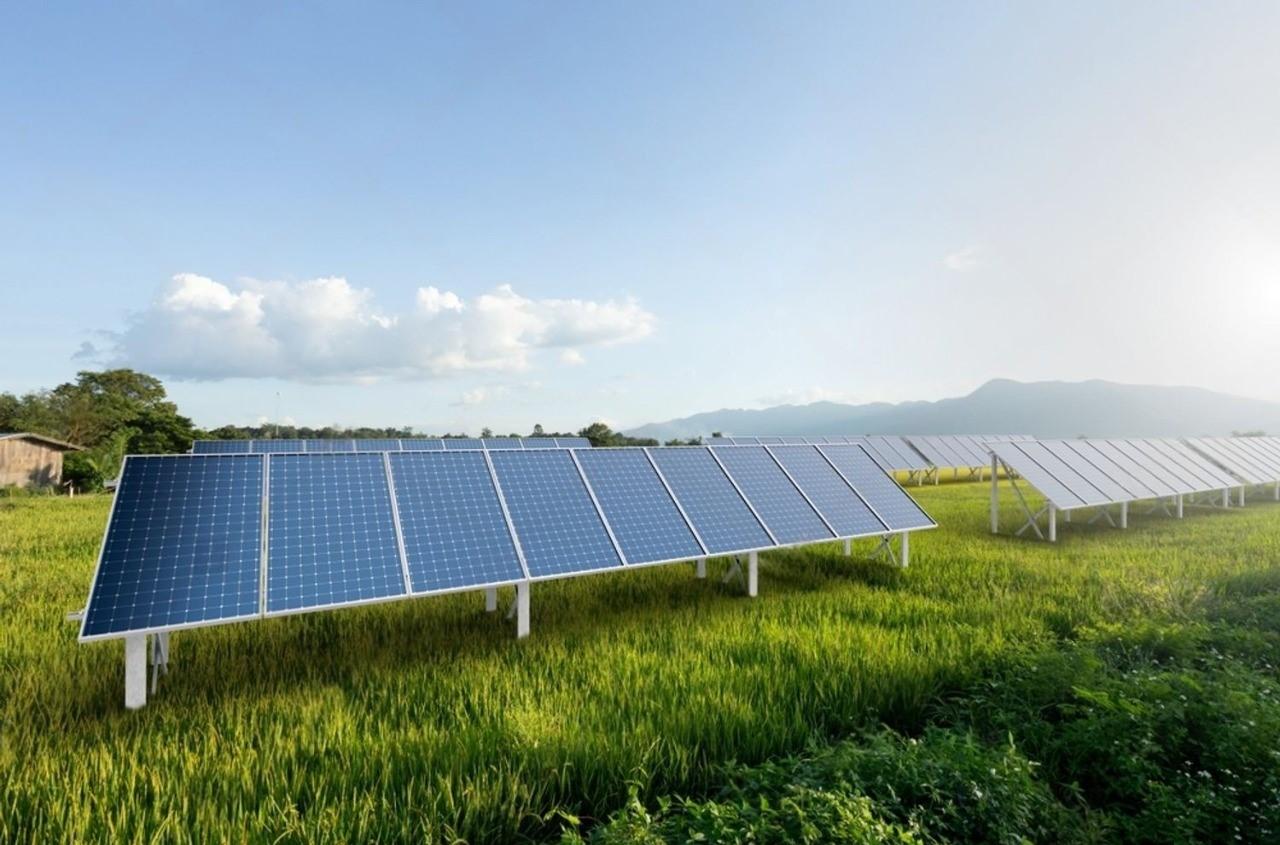
Agrivoltaics is the practice of installing solar panels above or around farmland while continuing to grow crops or raise livestock underneath. Instead of choosing between solar power and agriculture, farmers can do both at once. The panels are usually raised higher than standard solar installations and spaced further apart, letting sunlight reach the plants below while still generating electricity. A single acre can produce food and power together, opening a new income stream without shrinking the space used for farming.
Why Farm Expenses Keep Rising
Diesel and electricity prices affect nearly every part of farm operations, from irrigation pumps to barns and equipment. Land taxes, along with maintenance expenses, contribute to increased financial pressure. Extreme heat and unpredictable rainfall also make yields less reliable, so farmers cannot always count on a steady harvest to cover their bills.
A New Income Stream From the Same Land
The most direct way agrivoltaics helps is by giving farmers a second income source from land they already own. Many projects work through a lease arrangement, where a solar developer pays the landowner for the right to install panels on their property. This payment continues regardless of how the crops perform that season, giving farmers a cushion during poor harvests and often exceeding what the same land would earn from renting it out for grazing alone.
Lower Utility Bills Through On-Site Solar
Agrivoltaics also cuts the electricity costs of running a farm. Pumps, coolers, lighting, and processing equipment all require power, and these costs add up quickly during peak growing seasons. When panels are installed directly on the farm, some or all of that electricity can be generated on-site instead of purchased from the grid. This is especially useful for farms with high energy needs, such as those using cold storage, since it shields them from sudden spikes in utility rates.
Water and Soil Benefits That Cut Costs
The shade created by panels changes the microclimate of the land in ways that can help crops. Partial shading slows water evaporation from the soil, so crops need less frequent irrigation, which lowers water bills over a growing season. Cooler soil temperatures under the panels can also reduce heat stress on certain crops, improving survival rates and cutting spending on replacement seedlings. Not every crop responds the same way, but many leafy greens and shade-tolerant vegetables have shown better growth under agripv systems compared to fully exposed fields.
Case Study 1: A broccoli farm in Georgia
After a solar developer installed a 445-kilowatt array above a broccoli field, the farmer found his daily routine of planting and harvesting stayed the same. What changed was his bottom line. Lease payments and reduced input costs made the project profitable enough that he began planning to add panels to two more fields on the same farm.
Case Study 2: A lettuce trial in Hawaii
Researchers at an agrivoltaic research center on Oʻahu built a hydroponic lettuce system beneath an existing solar installation. Rather than estimating yields on paper, they grew several lettuce varieties directly under the panels and tracked which produced the best returns, showing that careful crop selection can turn ground beneath an existing solar site into real revenue.
Long-Term Financial Stability and Incentives
One quieter benefit of agrivoltaics is how it smooths out income over time. Traditional farm income depends heavily on weather, market prices, and yields, all of which vary year to year. Solar lease payments, by contrast, tend to be fixed and predictable, often locked in through multi-year contracts. This makes it easier for farmers to plan budgets and apply for loans, since lenders view steady income favorably. Several regions also offer incentives for dual-use solar projects, including reduced property tax assessments, installation grants, and higher payment rates for qualifying electricity. These incentives lower the barrier to adoption for small and mid-sized farms.
Conclusion
Rising costs are not going away anytime soon, but agrivoltaics offers farmers a practical way to build financial resilience without abandoning what they know best. By combining crop production with solar energy generation, farmers can create a second income stream, lower utility expenses, and improve certain growing conditions. Interest keeps growing at industry events such as solar power conferences, where researchers and farmers share results and refine best practices for different climates and crops. Agrivoltaics deserves serious consideration as part of a broader strategy to manage rising expenses.
Frequently Asked Questions
Q1. Does agrivoltaics work for all types of crops?
Not every crop performs equally well under partial shade. Leafy greens, berries, and shade-tolerant vegetables tend to do well, while some grain crops may see reduced yields in humid regions.
Q2. How much does it cost to set up an agrivoltaic system?
Costs vary by installation size and local labor rates. Many farmers reduce upfront costs by partnering with a solar developer who covers installation in exchange for a long-term land lease.
Q3. Will solar panels reduce the amount of land available for farming?
Agrivoltaic systems let farming continue underneath and between the panels. Supports take up some space, but the goal is to keep most of the land usable for crops or grazing.
Q4. Can livestock be raised on agrivoltaic land instead of crops?
Yes, many projects support sheep grazing beneath the panels, which manages vegetation growth around the equipment while giving farmers another way to use the land.
Q5. How long do agrivoltaic lease agreements typically last?
Lease terms often range between fifteen and twenty-five years, depending on the developer. Farmers should review contract terms carefully, including land restoration provisions once the agreement ends.

 English
 Arabic
 Français
 Español
 Português
 Deutsch
 Türkçe
 Dutch
Dutch
 Italiano
 Russian